Back Styles for My Wedding Dress
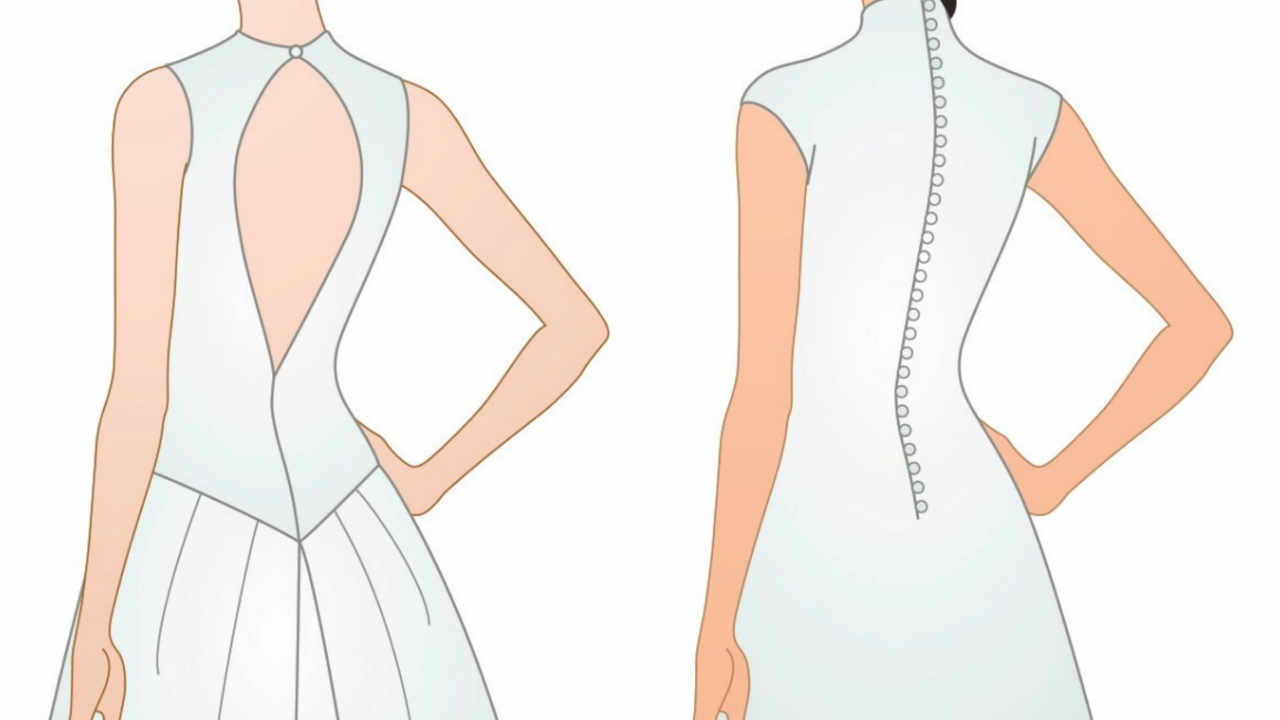
Images © B.R.I.D.E.S. Guide, Rosanna Haller
From the Wedding Dress Education Series The Bride's Guide to Finding the Perfect Wedding Dress
This comprehensive guide helps brides understand silhouettes, sleeves, necklines, waistlines, trains, fabrics, and hundreds of wedding dress design details.
The front neckline of your wedding dress naturally draws attention to your face, but the back of your gown will be seen just as often throughout your wedding day. As you walk down the aisle, stand at the altar, greet guests, and pose for photographs, the back of your dress helps define the overall impression of your bridal style.
Back styles can create a romantic, dramatic, vintage, architectural, or contemporary feel depending on their shape and construction. Whether you prefer a fully covered design, a graceful keyhole opening, elegant draping, or a dramatic open back, the style you choose should complement the rest of your gown while reflecting your personality.
First decide whether the front neckline, back neckline, or overall silhouette is most important to you. Once you've identified your priority, you can build the rest of your dress design around that feature.
 Corset Backs
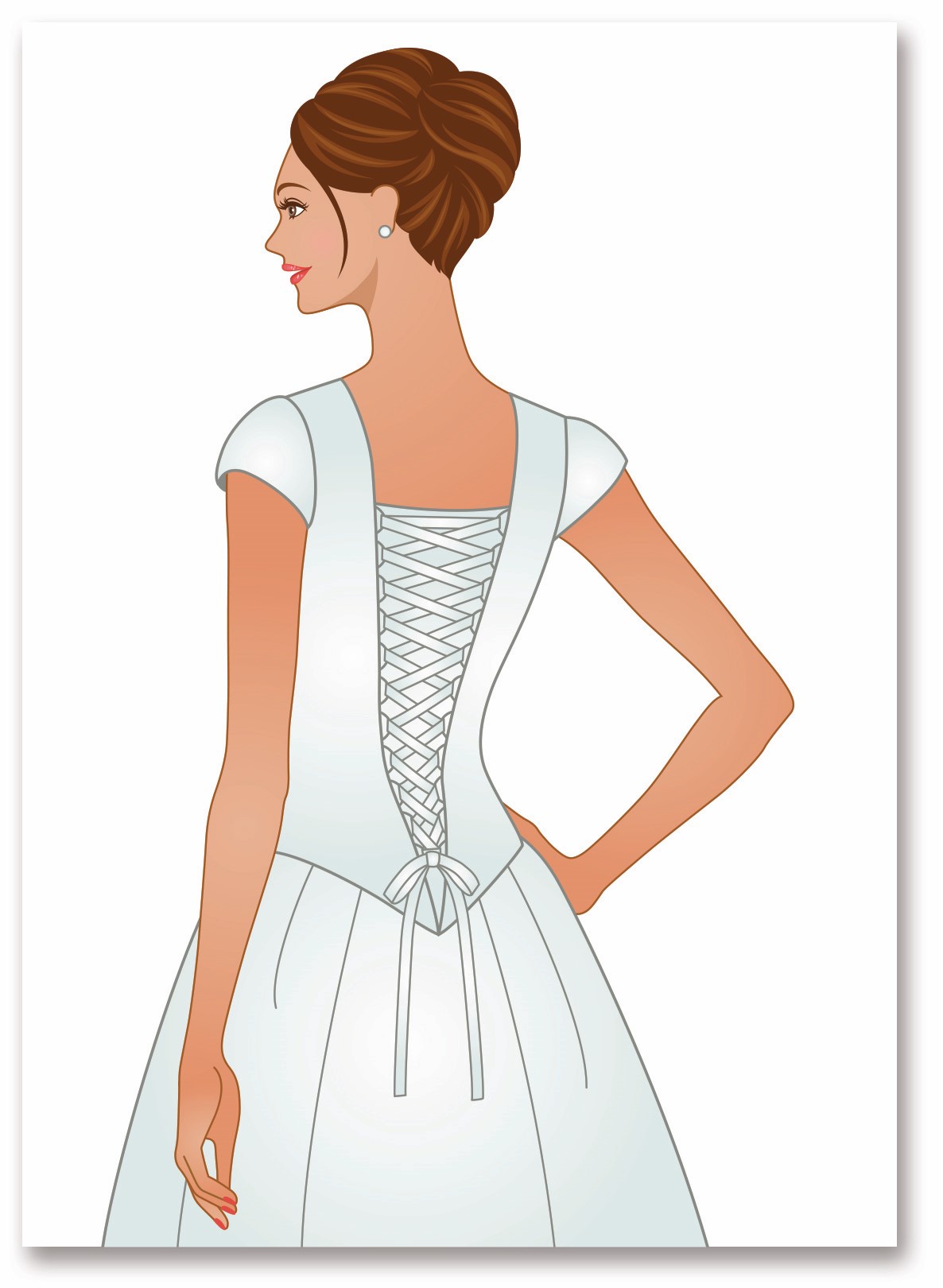
Corset backs are among the most recognizable wedding dress closures. Traditionally laced in a crisscross pattern using ribbon or cording, corsets create a romantic bridal look while allowing for a flexible fit.
Many corset gowns include a modesty panel behind the lacing so the dress can be adjusted comfortably without exposing skin. While some gowns feature fully functional corsets, others use decorative lacing paired with a zipper closure underneath.
Consider:
-
Adjustable fit throughout the day
-
Romantic and traditional bridal styling
-
Vintage-inspired silhouettes
-
Ball gowns and princess dresses
-
Brides who want flexibility in sizing
 Draped Backs
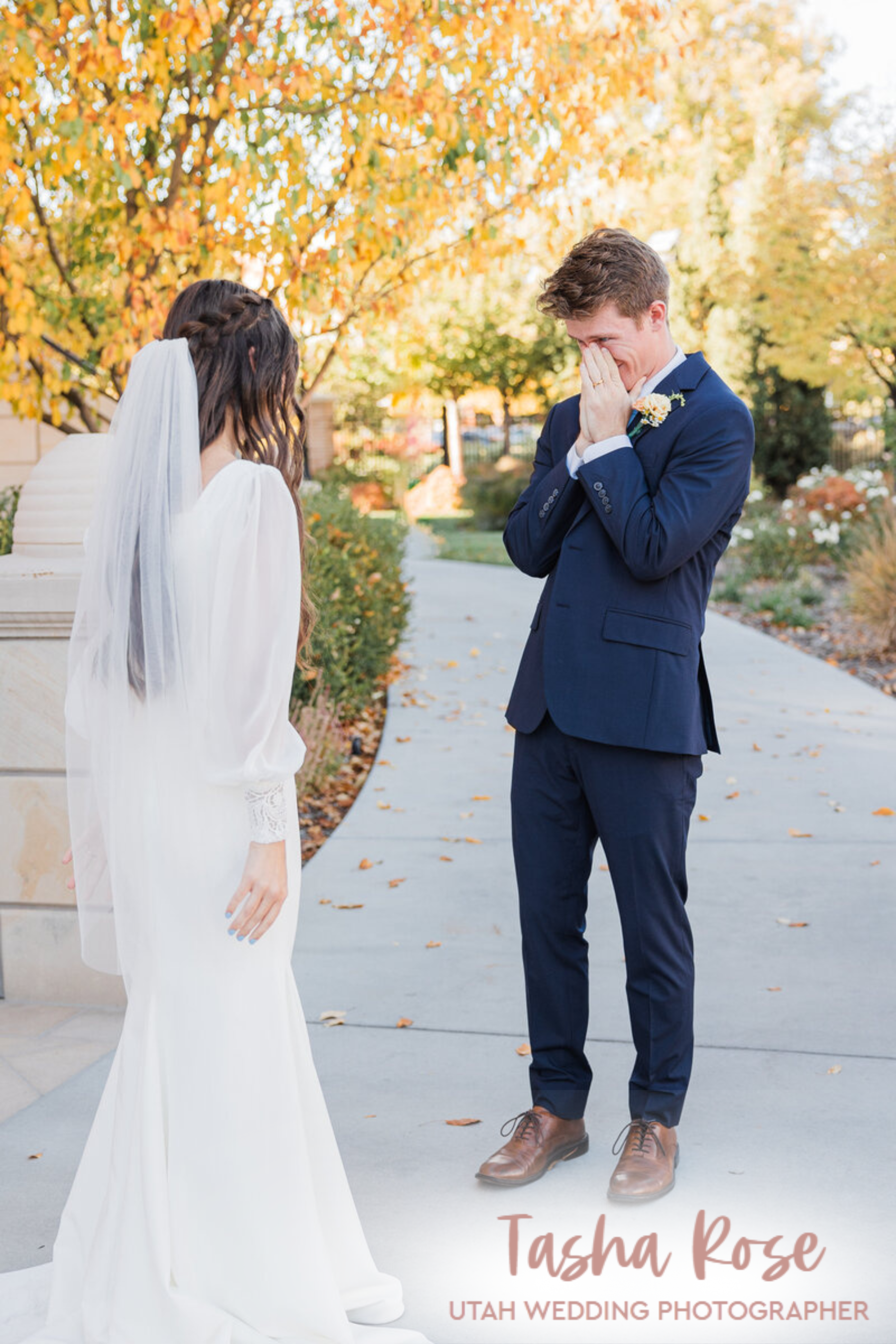
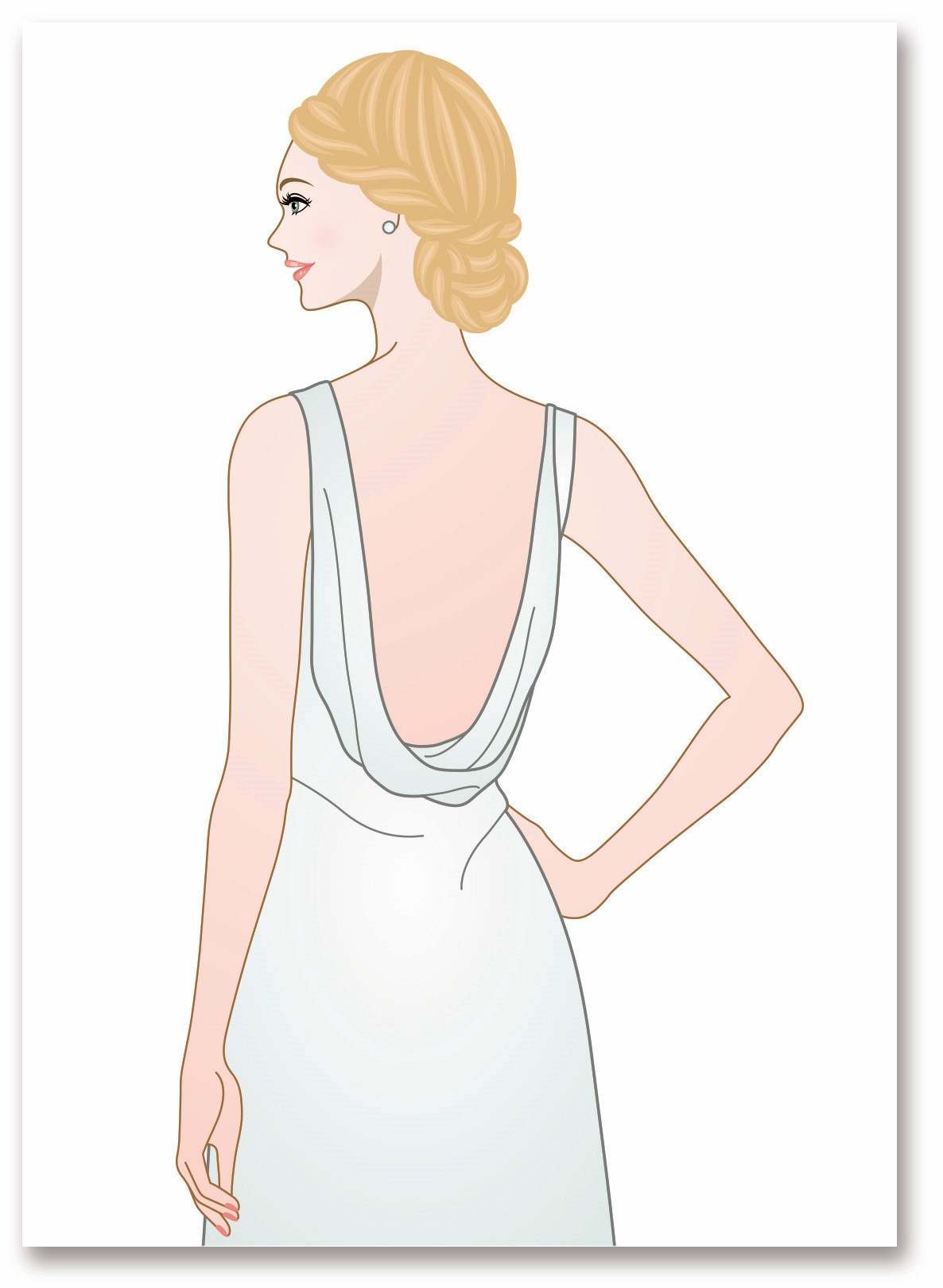
Draped backs create movement and softness by allowing fabric to flow gracefully across the back neckline. Unlike structured draping sewn into the body of a gown, back draping hangs loosely and creates an elegant, fluid effect.
This style works beautifully with lightweight fabrics such as chiffon, tulle, and soft satin. Draping can add drama to a simple silhouette without overwhelming the overall design.
Consider:
-
Soft, romantic wedding styles
-
Lightweight flowing fabrics
-
Elegant movement in photographs
-
Contemporary bridal fashion
-
Brides seeking understated drama
 Halter Backs
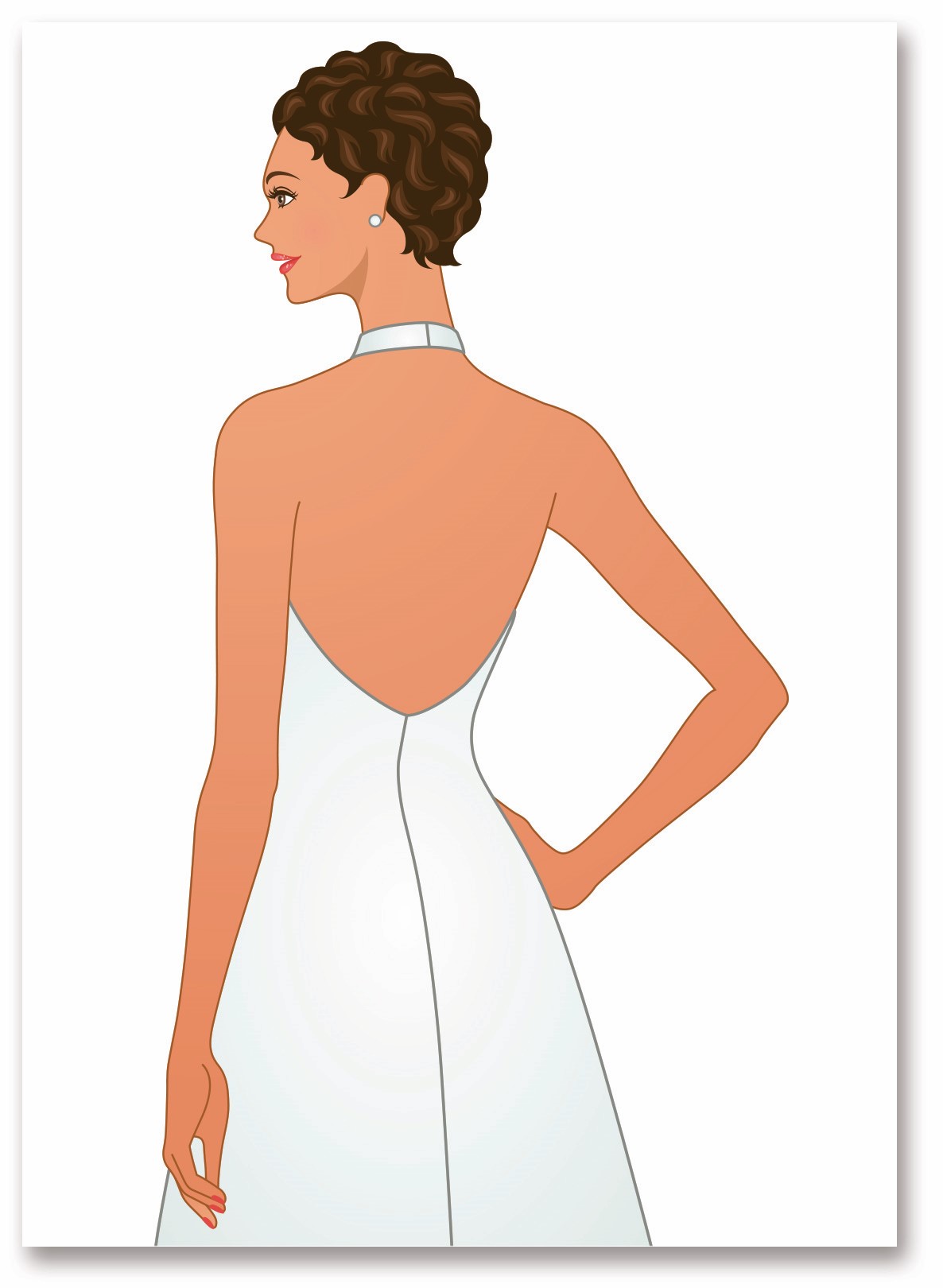
Halter neck wedding dresses fasten around the neck, leaving the shoulders and much of the back exposed. Depending on the design, the back may extend only to bra level or plunge dramatically toward the waist.
Because halter styles naturally draw attention to the shoulders and upper back, they create a striking silhouette while offering excellent support through the neckline.
Consider:
-
Brides with toned shoulders
-
Contemporary bridal styles
-
Destination weddings
-
Minimalist wedding dresses
-
Dramatic open-back designs
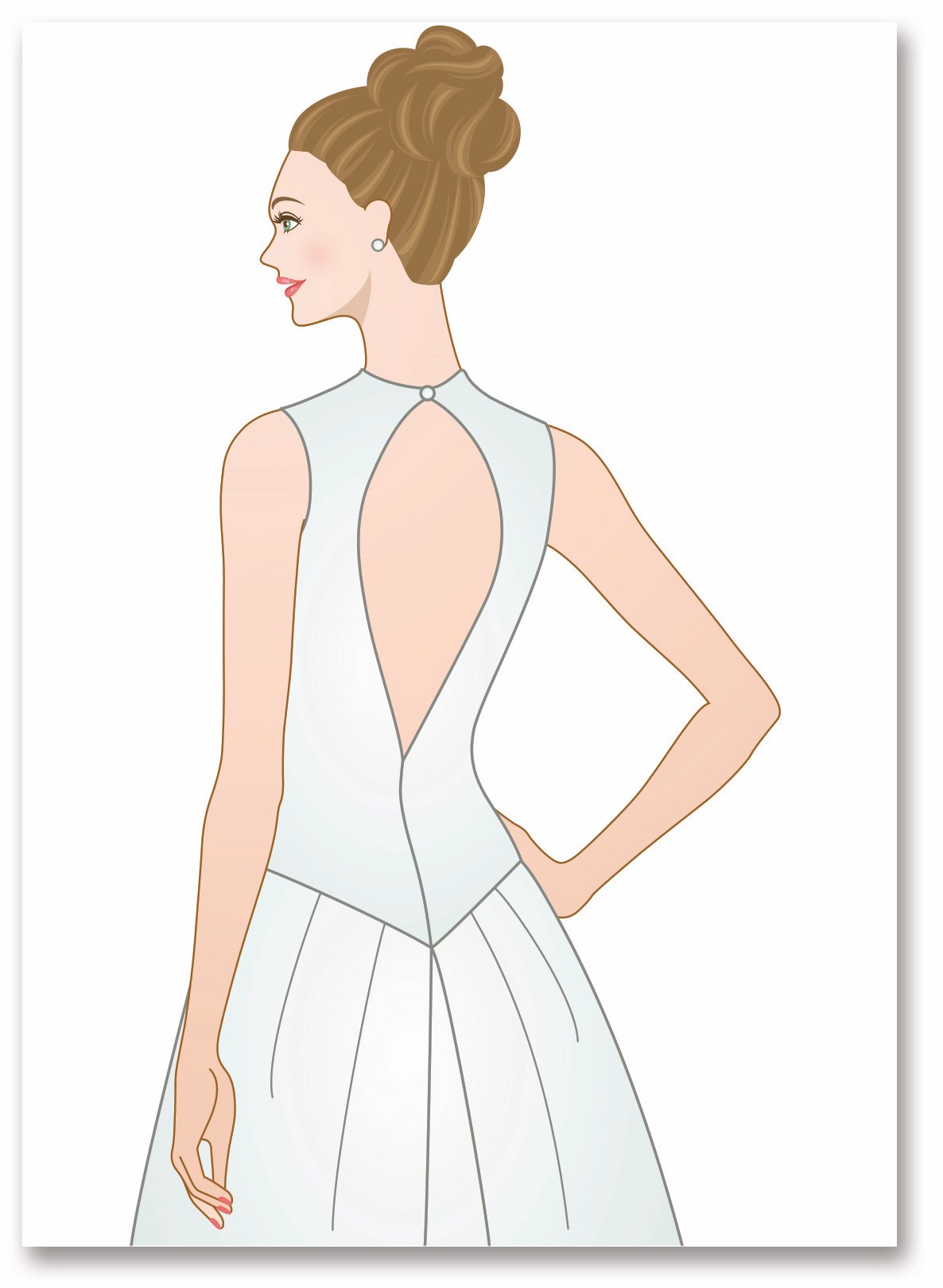 Keyhole Backs
A keyhole back creates an opening surrounded by fabric at the sides and top, forming a distinctive shape (large or small) that can range from subtle to dramatic. Keyholes may be oval, round, diamond-shaped, teardrop-shaped, or uniquely modern in design.
This style offers the beauty of an open back while maintaining structure and modest coverage.
Consider:
-
Modest yet stylish designs
-
Romantic wedding dresses
-
Vintage-inspired gowns
-
Dresses with sleeves
-
Brides who want visual interest without a fully open back
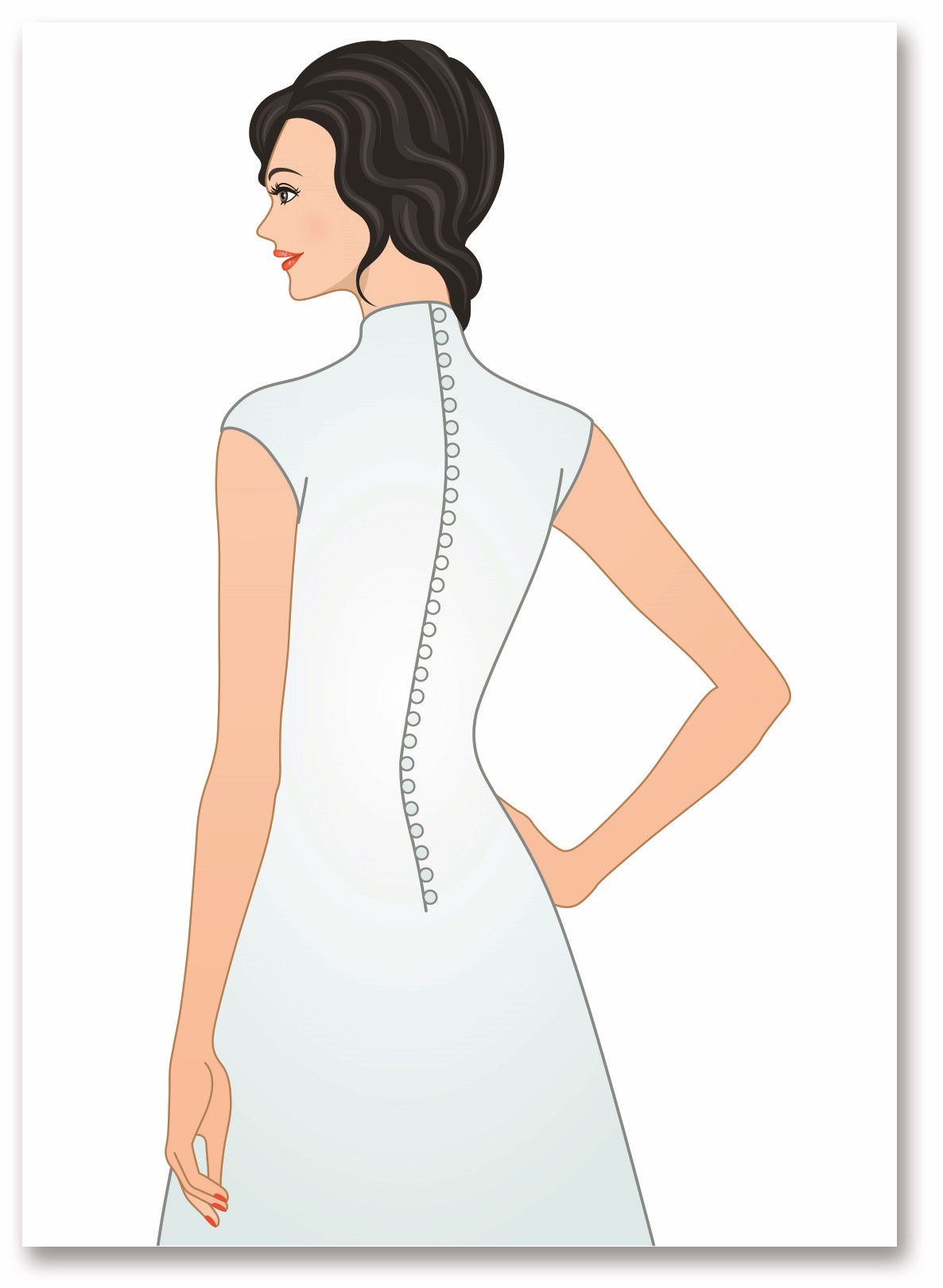 Queen Anne Backs
The Queen Anne neckline is defined by its high collar or raised neckline at the back of the dress. This regal design often creates an elegant frame around the neck and shoulders.
The back may remain fully covered or open into a dramatic keyhole while still maintaining the signature Queen Anne shape.
Consider:
-
Classic bridal elegance
-
Victorian-inspired gowns
-
Formal temple weddings
-
Brides seeking additional coverage
-
Sophisticated vintage styling
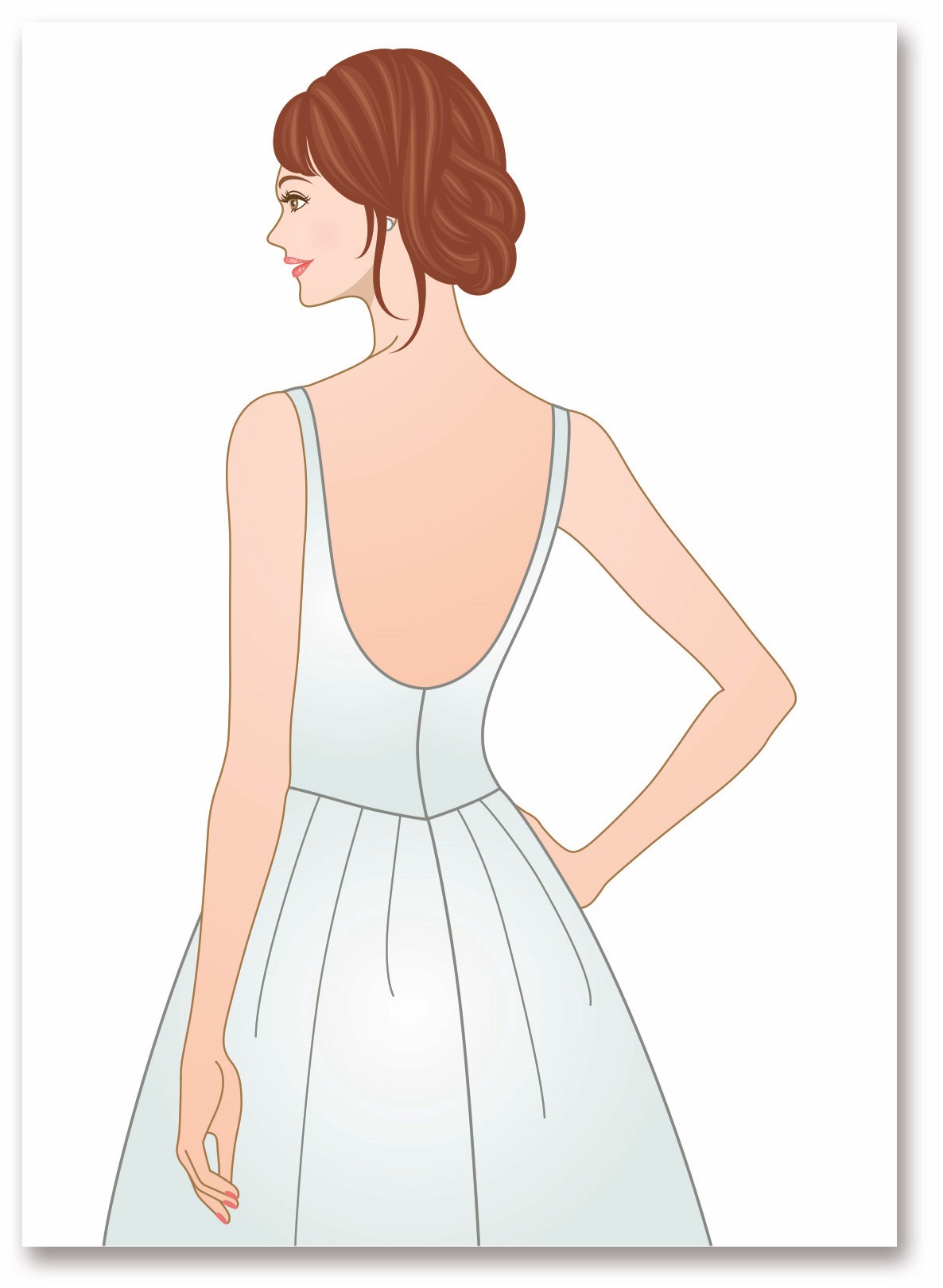 Scoop and V-Shaped and Square Backs
Scoop and V-shaped and square backs can range from shallow and subtle to dramatic plunging designs extending toward the waist. These necklines are versatile and work with nearly every wedding dress silhouette.
Deeper versions often require supportive straps, illusion panels, or decorative lacing to maintain structure while preserving the dramatic effect.
Consider:
-
Timeless bridal styling
-
A-line and sheath silhouettes
-
Romantic wedding gowns
-
Brides who want an open-back appearance
-
Versatile, universally flattering designs
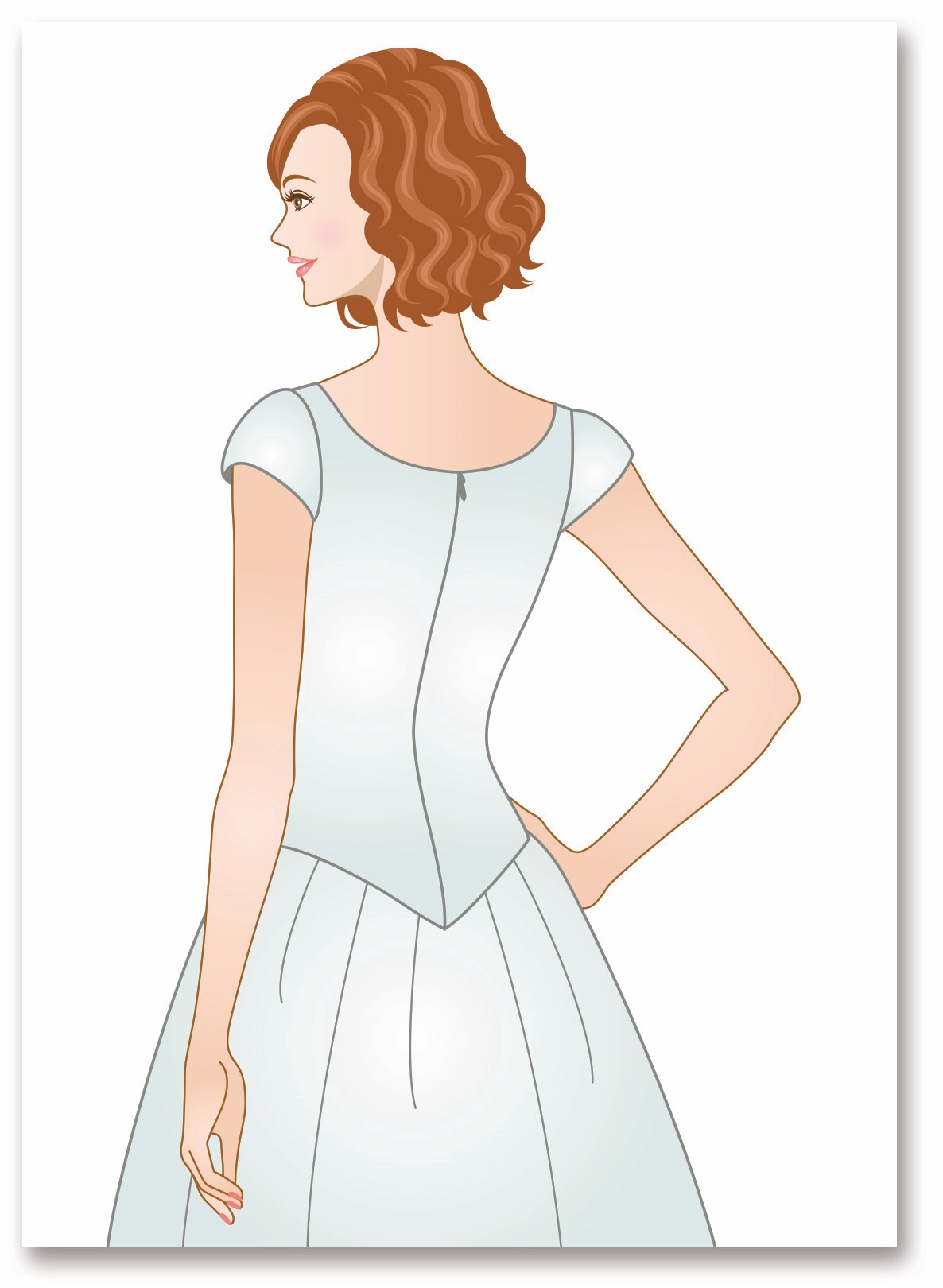 Simple Back Styles
Simple back styles often mirror the front neckline and include jewel, square, scoop, or V-neck designs. These backs focus on clean lines and timeless elegance rather than dramatic embellishment.
Because they work well with nearly every silhouette, simple backs remain one of the most popular choices among brides who appreciate understated beauty.
Consider:
-
Classic wedding dresses
-
Minimalist bridal fashion
-
Traditional wedding ceremonies
-
Timeless photography
-
Brides who prefer elegance over drama
Choosing a back style that complements your personality, silhouette, and wedding vision helps create a beautiful impression that lingers long after the ceremony has ended.

Unlock Your
Dream
Church of Jesus Christ Wedding:
Divine, Affordable, and Unforgettable
Ready to plan a wedding that reflects your faith, your style, and your values?
I created the Church of Jesus Christ Wedding Planner to support LDS brides who, like you, want a wedding day that’s both beautiful and sacred. Whether you’re looking for meaningful decor ideas or practical planning help, I’m here to guide you every step of the way—with resources designed just for Latter-day Saint brides. You don’t have to figure this out alone. Let’s make your wedding day as joyful and unforgettable as the covenant you’re preparing to make.
Your faith. Your love. Your day. Let's make it beautifully yours.
Disclaimers: While I am honored to be a member of The Church of Jesus Christ of Latter-Day Saints, please note that this site is not an official site of The Church of Jesus Christ of Latter-Day Saints. And while I strive to live by the doctrine of the church, the views, content, and resources provided here are solely my own and do not represent official doctrine or policy of The Church of Jesus Christ of Latter-Day Saints.