Wedding Dress Fabrics
How to Choose the Right Fabric for Your Gown
When you're shopping for a wedding dress, it's easy to concentrate on the things you notice first: the silhouette, neckline, sleeves, waistline, train, and embellishments. But underneath all of those design choices is something that has an enormous influence on the finished gown—the fabric.
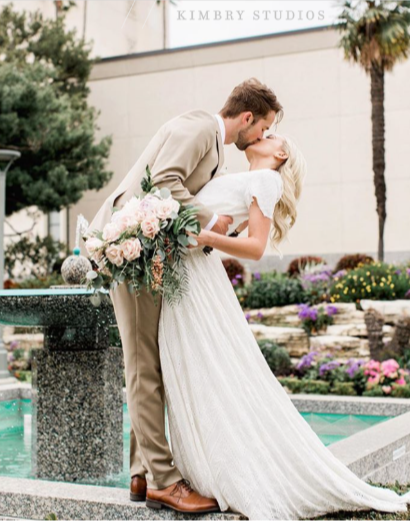
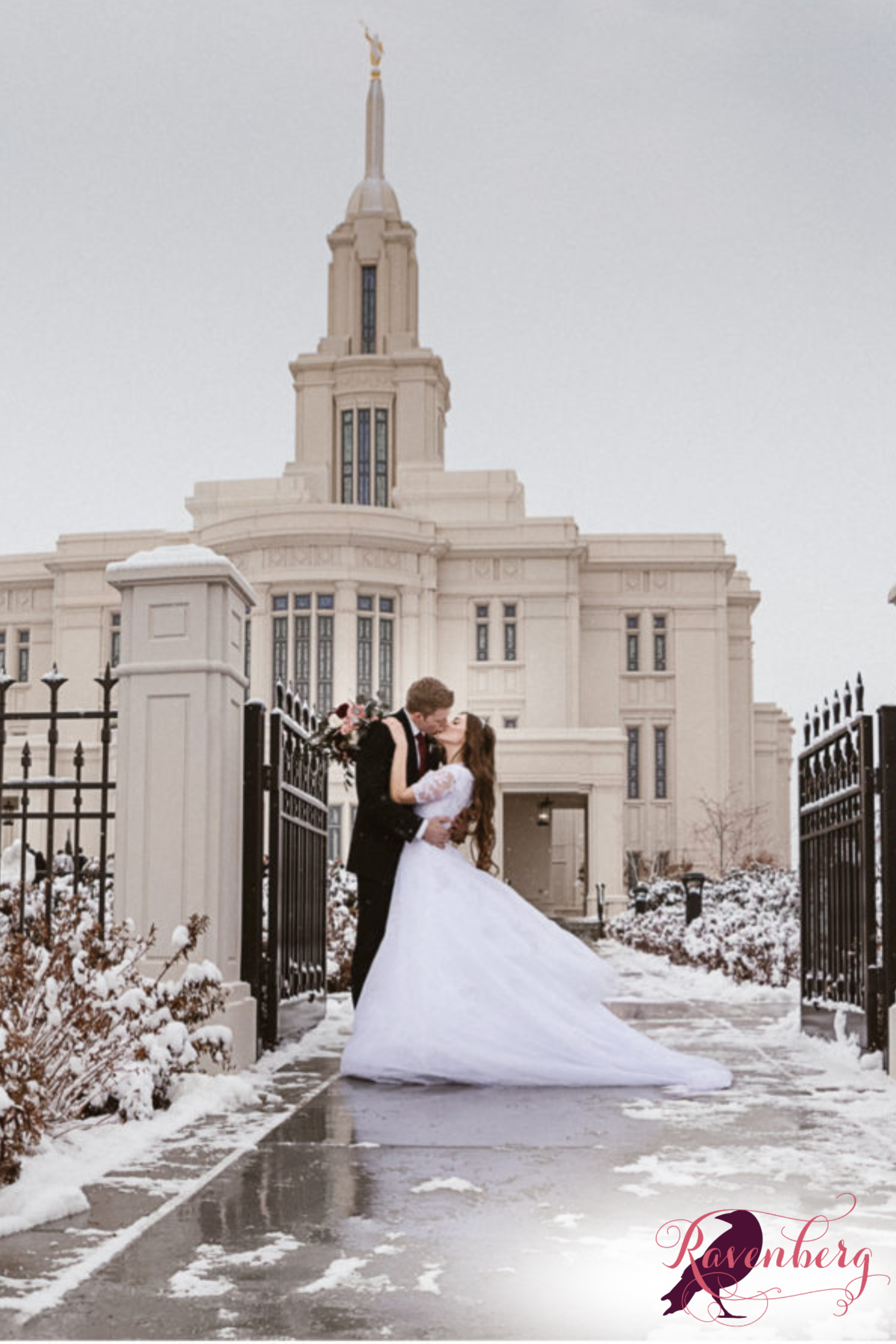
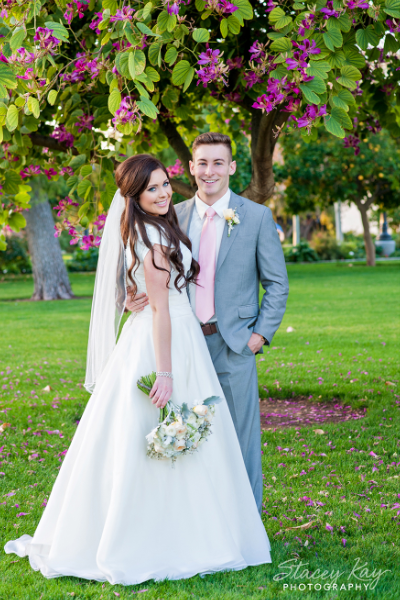
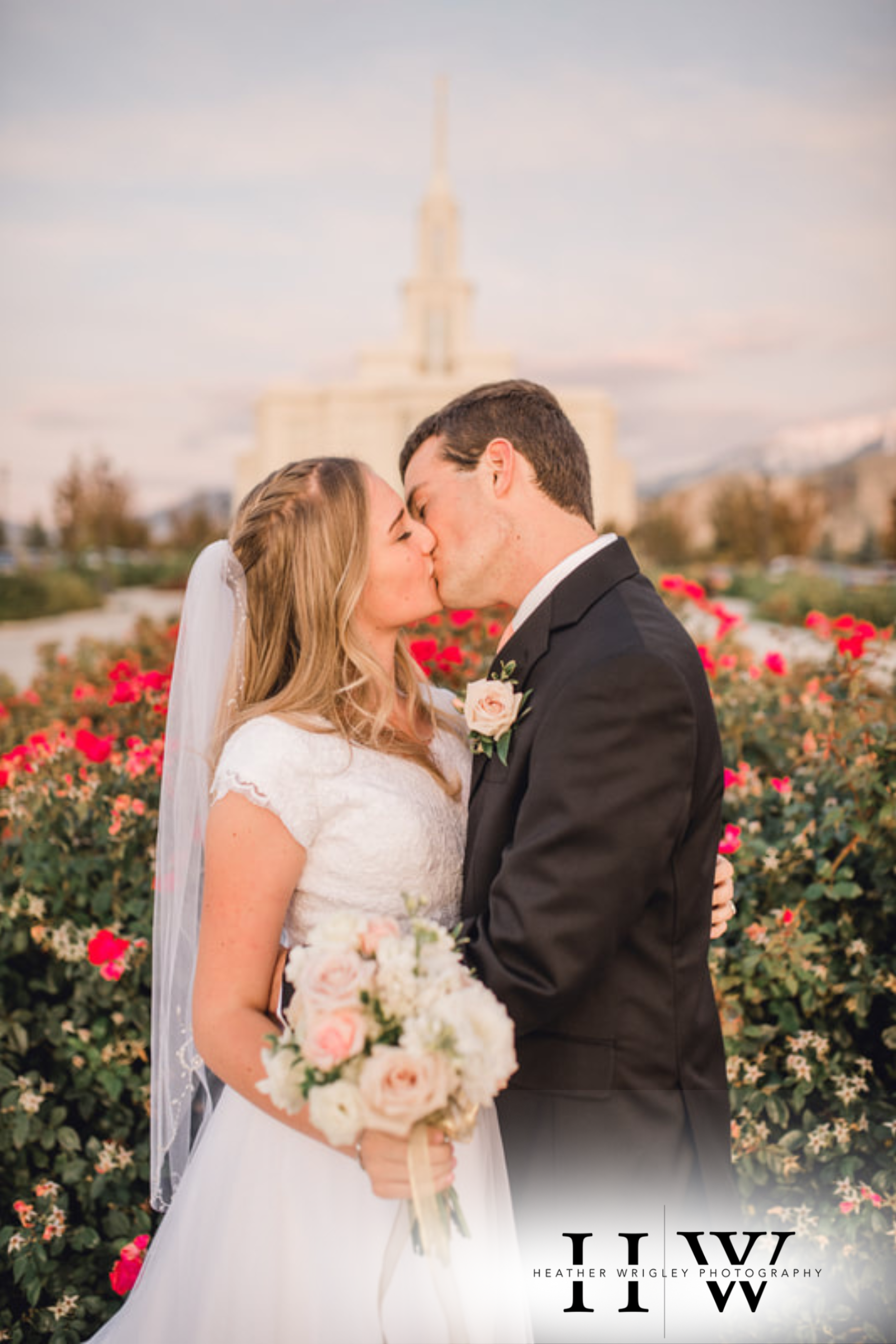
Wedding dresses, veils, trims, and bridal accessories can incorporate fabrics of very different weights and textures. The weight of a fabric depends upon factors such as the thickness of the yarn, how densely it is woven, and the texture created during the weaving process. Bridal gowns may use heavier fabrics to give the dress structure, while translucent fabrics can be layered over a skirt, bodice, or sleeves to add fullness, softness, and depth.
That means two wedding dresses with very similar designs can look and behave completely differently simply because they are made from different fabrics. One may stand away from the body and hold a dramatic shape. Another may fall softly against the figure. One may shimmer as you move, while another has a quiet matte finish. Fabric doesn't merely decorate a wedding dress. It helps determine what that dress becomes.
Understanding Fibers, Weaves, and Fabric Names
One reason bridal fabrics can seem so confusing is that the names don't all describe the same thing. Some names refer to fibers, some to weaves, some to finishes, and some to combinations of all three.
Silk, for example, is a fiber that is spun into thread or yarn. Satin, on the other hand, is a weave. Put the two together and you may have silk satin—silk fiber woven with a satin weave. But satin can also be made from another fiber, which is why you may encounter polyester satin. Brocade adds another layer of complexity because it refers to a decorative weaving technique that creates a raised or patterned design. Depending on the fiber and underlying weave, you may encounter silk brocade, velvet brocade, or even silk satin-backed velvet.
Once you understand that bridal fabric names are built from fibers, weaves, textures, and finishes, those long descriptions on fabric labels become considerably less mysterious.
What Does the “Hand” of a Fabric Mean?
You may hear a designer, seamstress, or bridal consultant talk about the hand of a fabric. It simply means the way the fabric feels when you touch and handle it.
Is it soft or crisp? Smooth or textured? Stiff or fluid? Heavy or almost weightless? Does it slip easily through your fingers, or does it have body and resistance?
In other words, the hand is quite literally the impression the fabric gives you when you have it in your hands. It matters because a fabric's hand gives you clues about how that fabric is likely to drape, move, and feel when you're wearing it.
Don't be afraid to touch wedding dresses when you're shopping. The way a fabric feels can be every bit as important as the way it looks.
The Basic Weaves and Fibers Behind Bridal Fabrics
A few basic terms can make the rest of the fabric conversation easier to understand.
A plain weave is one of the simplest constructions, with horizontal and vertical threads alternately crossing over and under each other. A twill weave produces diagonal lines across the fabric and can be manipulated with different yarns and twists to create decorative effects. A pile weave incorporates extra yarns that form loops; those loops may remain intact or be cut, as they are in velvet.
Silk is a natural fiber made from filaments of the silkworm cocoon. It is strong and elastic and can absorb moisture while still allowing the skin to breathe. Satin, meanwhile, is a weave that concentrates more threads on the face of the fabric, producing the smooth surface and characteristic sheen we associate with satin.
Those few ideas—fiber, weave, weight, texture, and finish—are the building blocks behind most of the fabrics you'll encounter in bridal fashion.
Light, Soft, and Flowing Wedding Dress Fabrics
Some bridal fabrics are chosen because they create softness and movement.
Charmeuse is a very light satin-faced fabric with a particularly soft finish. It has far less structure than a heavy satin, making it appropriate for dresses intended to move and fall rather than stand away from the body. Chiffon is also very light, but it is sheer and soft with a dull finish rather than a glossy one. Crepe can come in several weights and has its characteristic crinkled surface because of the twist of its yarns. Crepe de Chine is a particularly light, fine, opaque crepe, while crepe Georgette is light, sheer, and dull with a creped surface.
Georgette is another name you may hear in the bridal shop, generally referring back to crepe Georgette. Mousseline de soie is a very fine, lightweight silk muslin that is sheer but given a somewhat crisp finish. Voile is also light, sheer, and clear, while gossamer is extremely lightweight gauze traditionally associated with veils.
These fabrics can create that airy, almost floating quality many brides associate with romance. But light does not always mean limp. Some sheer fabrics still possess enough crispness to hold shape beautifully.
Crisp Fabrics That Create Shape and Volume
If you love a skirt that holds its form or a gown with architectural lines, pay attention to the crisper fabrics.
Gazar is a crisp plain-weave silk with a smooth, flat texture. Organdie is a sheer, lightweight plain-woven fabric with a smooth, crisp finish. Organza is also sheer and light but made from finely twisted yarns, allowing it to combine transparency with enough body to create volume.
Taffeta is closely woven, smooth, somewhat stiff, and lustrous. That firmness gives it body, which is why it can support fuller skirts and structured silhouettes. A lighter, less stiff variation is sometimes called chiffon taffeta.
When you see a gown that seems to hold a beautiful sculpted shape rather than simply falling toward the floor, there's a good chance the fabric is doing much of the work.
Rich and Substantial Bridal Fabrics
Other fabrics bring weight, depth, and richness to a wedding gown.
Duchesse satin is a substantial, luxurious satin with considerably more body than the lighter satins. Satin Royal is a double-faced silk satin twill. Peau de Cygne is another substantial satin-weave silk with a pebbled face and glossy finish, while Peau de Soie is stout yet very soft, with fine cross ribs visible on one or both sides. Peau de Gant refers to white silk damask.
Shantung is a heavier silk traditionally woven from wild silk. Bengaline is a ribbed or corded silk, while faille is another ribbed silk with wider ribs than grosgrain. Pongee is a plain-woven light- or medium-weight wild silk traditionally seen in natural shades of ecru.
These aren't simply different names for "silk." Their construction creates very different textures, weights, and visual effects.
Fabrics with Distinctive Texture
Texture can give a wedding gown personality even when the dress has very little embellishment.
Dupioni has an uneven, irregular yarn that creates its characteristic slubs. Those visible variations are part of the beauty of the fabric rather than defects. Matelassé has the appearance of padded or quilted fabric, with raised floral or geometric designs woven into it.
Panné is a pile fabric in which the longer pile is pressed down, producing characteristic areas of light and dark. Velvet is also a cut-pile fabric, but with an even depth that creates its rich surface. Double-pile or cut velvet can use different pile heights to form a pattern. Velvet Alençon combines lightweight French silk and cotton in a cut pile.
These are the kinds of fabrics where you may find yourself wanting to reach out and touch the dress before you even realize you're doing it.
Brocade, Damask, and Decorative Woven Fabrics
Some wedding fabrics create decoration directly in the weave rather than adding embellishment afterward.
Brocade traditionally refers to a rich fabric with floral, foliage, or figure designs woven into the material. Bridal brocade may be based on satin, taffeta, twill, or even velvet. Brocaded velvet combines cut-pile silk with a brocade-style pattern.
Damask is another decorative woven fabric, traditionally using large floral or Jacquard patterns. Venise is described in the book as a very fine damask featuring large floral patterns.
Because the design is woven into the fabric itself, these materials can provide substantial visual interest before a single bead, pearl, crystal, or appliqué is added.
The Beautiful Watered Effect of Moiré
Moiré is worth mentioning separately because its appearance is so distinctive. The finish creates a watered effect by pressing a pattern into ribbed fabric with engraved cylinders. The result can resemble soft waves or flowing water across the surface.
There are several variations. Moiré à pois incorporates small satin dots. Moiré rondé creates patterns reminiscent of the rings of a tree, while moiré metallique produces a frosted watered effect.
It's a wonderful example of how fabric finishing can become part of the visual design of the gown.
Batiste, Dotted Swiss, and Other Less Common Bridal Fabrics
You may also encounter fabrics that aren't as familiar to today's bride but are still part of bridal fashion vocabulary.
Batiste is generally a cotton- or linen-based plain weave that can vary in weight and density. Batiste Claire is extremely light and loosely woven, Demiclaire has a stronger yarn and closer texture, and Batiste Holandee is more closely woven and has greater body. Dotted Swiss is a light, open cotton muslin distinguished by its embroidered dots.
These fabrics remind us that bridal gowns don't all have to look like shiny satin or layers of tulle. The fabric itself can set the mood of the dress.
Tulle and Illusion
Few fabrics are more closely associated with weddings than tulle.
Tulle is a machine-made net traditionally produced from silk or cotton and can be left plain or embroidered to form lace. Illusion is an especially fine open mesh—a very fine form of tulle.
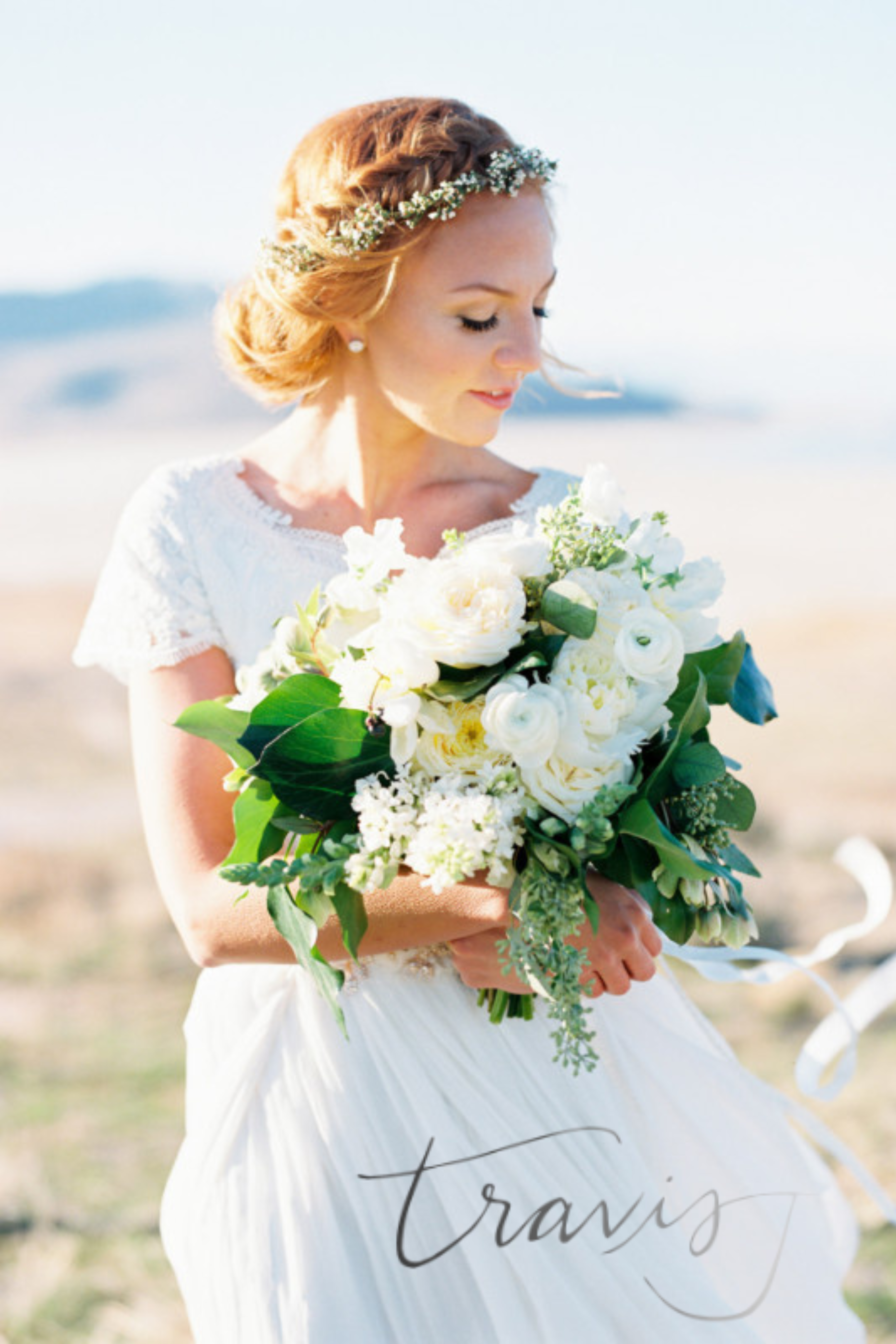
These delicate net fabrics can be used for veils, layered skirts, sleeves, overlays, and other details where you want softness or transparency without adding visual heaviness.
Don't Forget the Lace
And then, of course, there is lace—an entire world of bridal design by itself.
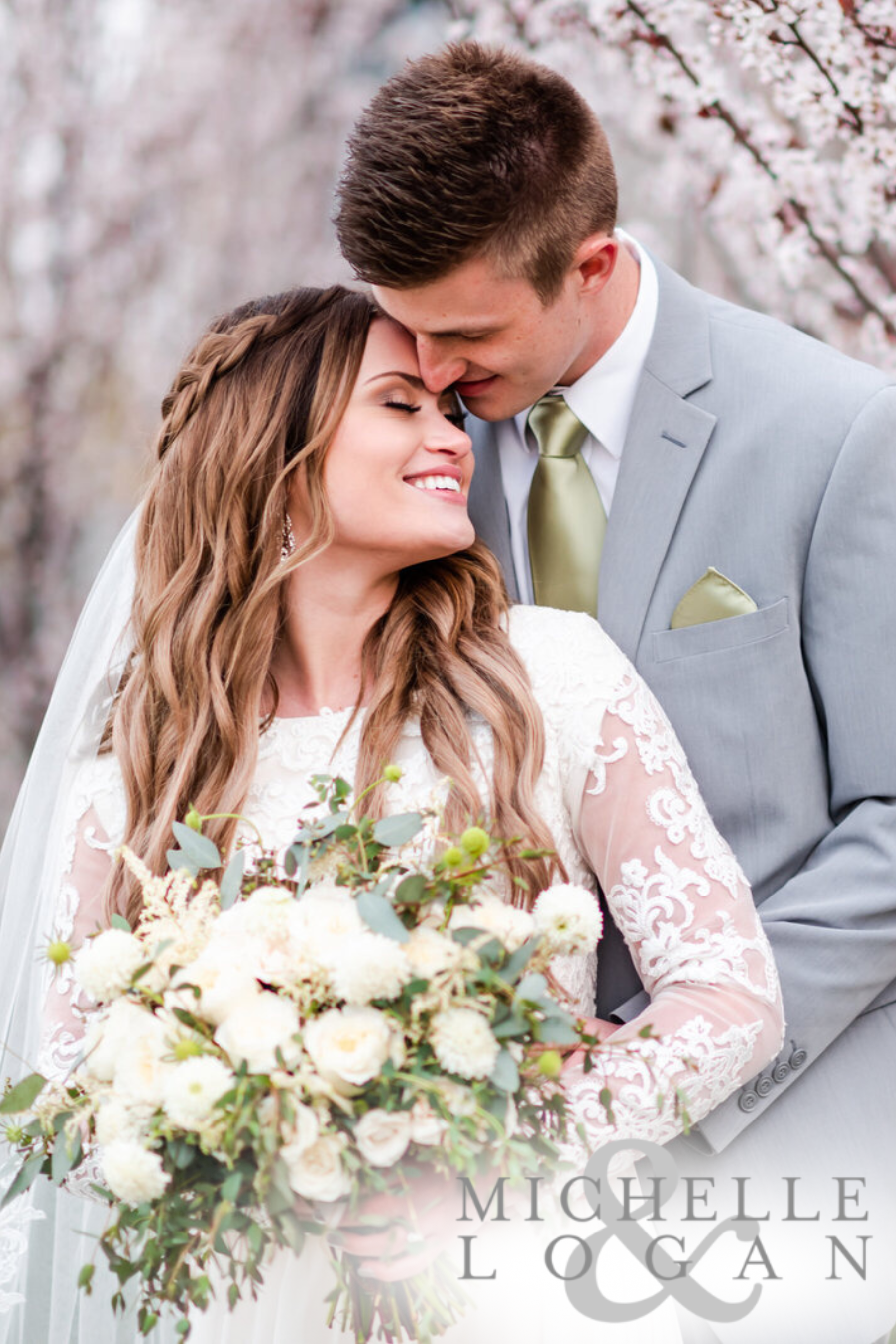
Alençon is traditionally a French needlepoint lace with raised corded edges that give the pattern definition. Chantilly is much more delicate, using fine net and typically featuring graceful floral designs. Brussels lace uses raised cordonnet to outline floral and leaf motifs, while Guipure is known for larger designs that stand in relief and have a much more substantial appearance.
Argentella is a delicate white needlepoint lace related to Alençon. Battenberg creates its pattern with narrow tapes joined by connecting threads, giving it a distinctive ribbon-lace appearance. Battenberg braid is the cotton or linen tape used to create that lace.
You may also encounter appliqué, where individual decorative motifs are attached to another fabric; picot, those tiny decorative loops seen along lace or fabric edges; Schiffli embroidery, produced by machine with visible stitching on both sides; soutache, a narrow rounded braid used as trim; Venetian embroidery, which outlines designs with buttonhole stitches before portions of the background are cut away; and Ventaglio, traditionally an exceptionally fine form of Italian point lace.
You don't have to memorize those names before shopping. What matters is learning to notice the difference. Some lace is airy and delicate. Some is bold and dimensional. Some almost seems to float across the gown, while other lace becomes one of the strongest visual elements of the dress.
Your Wedding Dress Doesn't Have to Use Just One Fabric
One of the most useful things to remember is that your entire wedding dress doesn't have to be made from the same fabric.
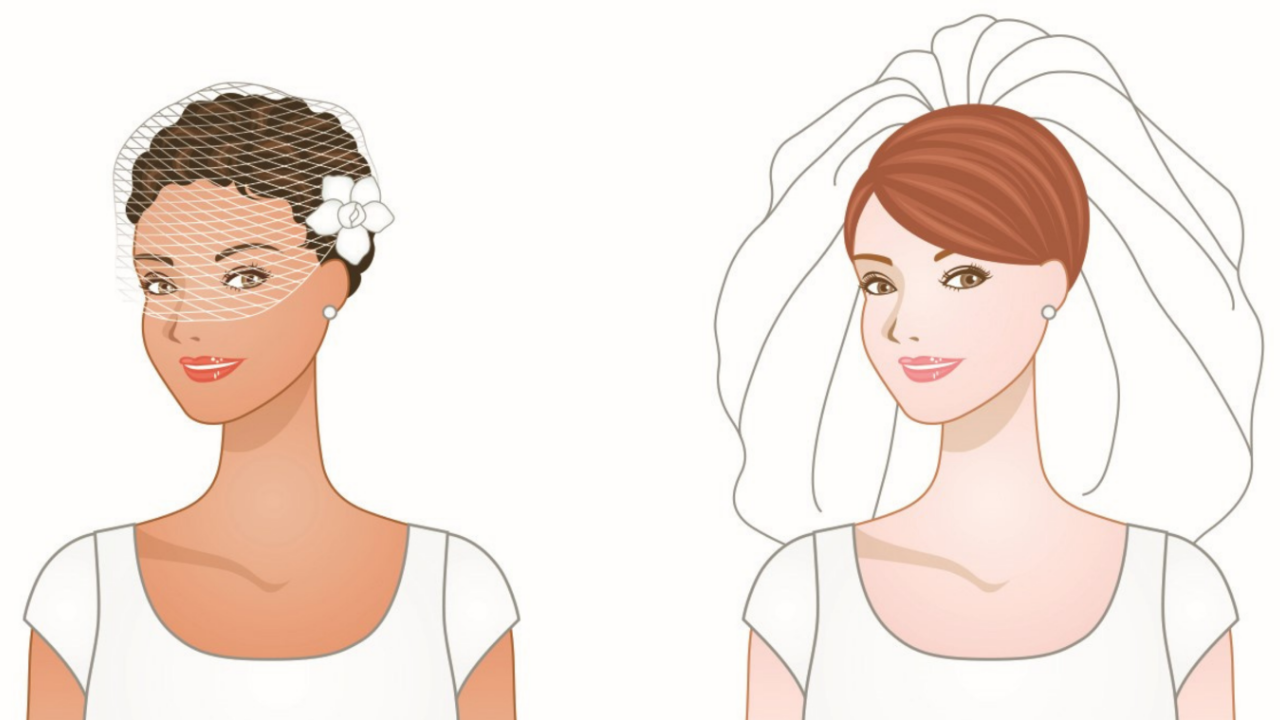
Your sleeves may be made from a different fabric—and even a different weight—than the bodice or skirt. The same is true of the blusher, veil, and other headpieces. If the primary fabric of your dress is substantial, incorporating something lighter elsewhere can help create balance.
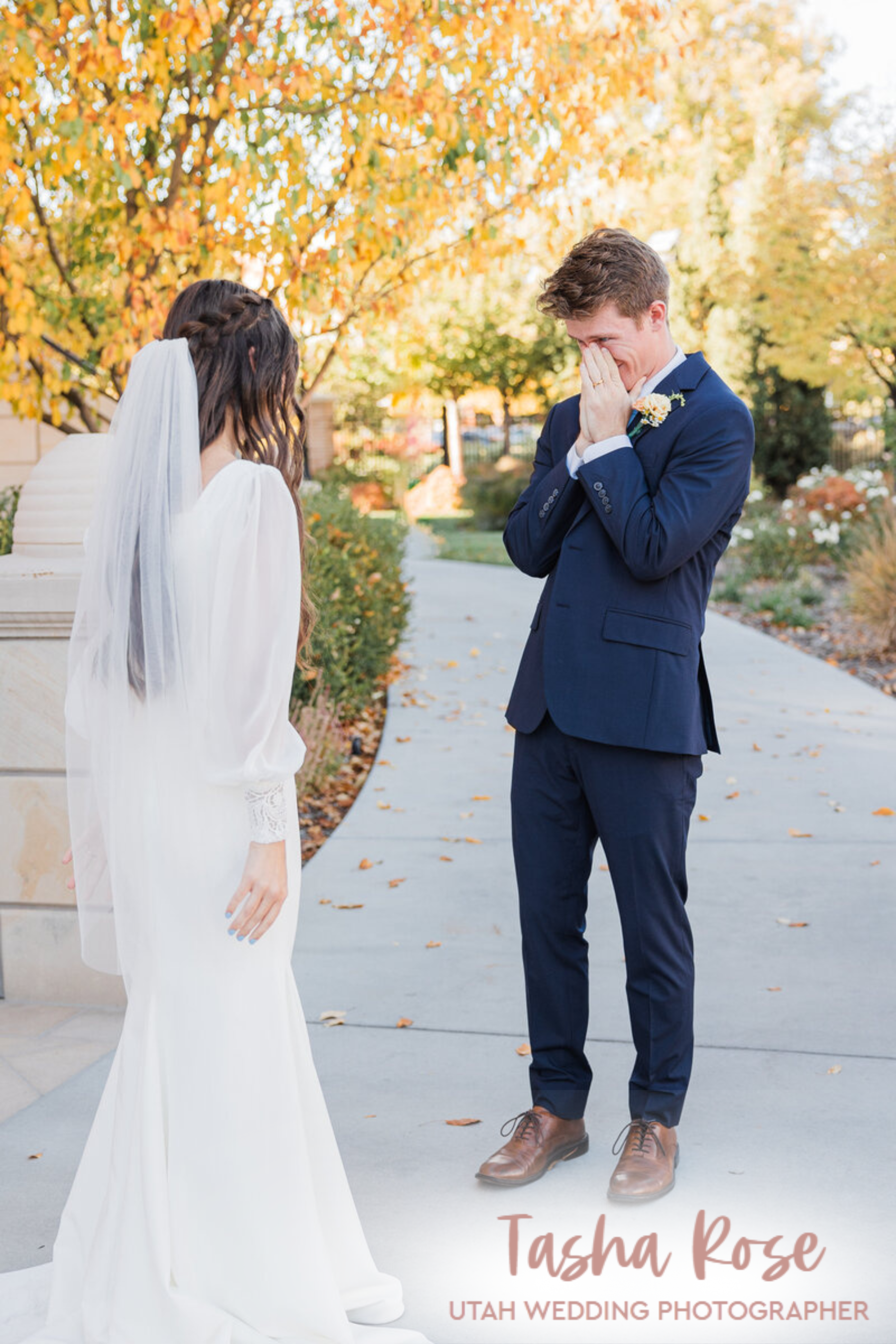
This is especially useful when you're looking for a dress with beautiful coverage. Sleeves do not necessarily have to carry the same visual weight as the rest of the gown. A structured dress may be softened with lighter sleeves, a delicate overlay, or an airy veil.
Think about your wedding dress as a complete composition rather than one uninterrupted piece of fabric.
Think About the Season and the Location
Fabric should also make sense for where and when you're getting married.
Heavy velvet, brocade, substantial satin, and other weightier fabrics may feel perfectly at home in colder weather. Lightweight fabrics such as chiffon, organza, voile, and other airy textiles can be more comfortable in warmer climates. Your original wedding dress guide even makes the important point that the location matters more than the calendar alone: a winter wedding on a warm beach still calls for an entirely different fabric decision than a winter wedding in the mountains.
You may be able to alter sleeves, a neckline, or certain details on a gown you love. Changing the fundamental fabric of the dress is another matter entirely. That's why fabric deserves consideration before you fall completely in love with a gown.
How Should Your Wedding Dress Fabric Feel?
There isn't one right answer.
Some brides love a fabric that feels substantial and formal. Others want something so light they barely notice it as they move. Some love crisp structure, while others want a fabric that falls softly around them. You may be drawn to sheen or prefer a quiet matte surface. You may discover that texture matters enormously to you—or that the smoothest fabrics are the ones that make you feel most beautiful.
When you try on a dress, don't just look in the mirror. Walk in it. Sit in it. Turn around. Let the skirt move. Feel the sleeves. Notice the fabric against your skin.
Then ask yourself what you're responding to.
Is it the silhouette—or is the fabric helping create the silhouette you love? Is it the design—or the softness? Is it the sparkle—or the way the fabric catches the light?
The more dresses you try, the more you'll begin recognizing patterns in your own preferences.
You Don't Need to Become a Fabric Expert
You certainly don't have to walk into a bridal salon able to define moiré rondé or distinguish every type of crepe.
But knowing that wedding dress fabrics differ in fiber, weave, texture, weight, hand, transparency, sheen, and structure gives you an enormous advantage.
Instead of simply thinking, I like this dress better than that one, you may begin to understand why.
- Maybe you love chiffon because it moves.
- Maybe you love taffeta because it holds its shape.
- Maybe you love Chantilly lace because it feels delicate and romantic.
- Maybe you discover that rich satin makes you feel wonderfully bridal—or that you'd rather have the quieter texture of crepe.
The fabric used to create a wedding gown changes how the dress looks, how it feels, and how it moves.
And once you start paying attention to that, you're not simply looking through racks of beautiful wedding dresses anymore.
You're becoming a much savvier bride—and getting closer to recognizing your wedding dress when you finally put it on.

Unlock Your
Dream
Church of Jesus Christ Wedding:
Divine, Affordable, and Unforgettable
Ready to plan a wedding that reflects your faith, your style, and your values?
I created the Church of Jesus Christ Wedding Planner to support LDS brides who, like you, want a wedding day that’s both beautiful and sacred. Whether you’re looking for meaningful decor ideas or practical planning help, I’m here to guide you every step of the way—with resources designed just for Latter-day Saint brides. You don’t have to figure this out alone. Let’s make your wedding day as joyful and unforgettable as the covenant you’re preparing to make.
Your faith. Your love. Your day. Let's make it beautifully yours.
Disclaimers: While I am honored to be a member of The Church of Jesus Christ of Latter-Day Saints, please note that this site is not an official site of The Church of Jesus Christ of Latter-Day Saints. And while I strive to live by the doctrine of the church, the views, content, and resources provided here are solely my own and do not represent official doctrine or policy of The Church of Jesus Christ of Latter-Day Saints.