How to Measure for a Wedding Dress: A Complete Bride's Guide
Images © B.R.I.D.E.S. Guide, Rosanna Haller
From the Wedding Dress Education Series The Bride's Guide to Finding the Perfect Wedding Dress
This comprehensive guide helps brides understand silhouettes, sleeves, necklines, waistlines, trains, fabrics, and hundreds of wedding dress design details.
Finding your dream wedding dress is exciting, but achieving the perfect fit is just as important as choosing the perfect style.
Whether you're purchasing a gown from a bridal salon, ordering a custom wedding dress online, or preparing for alterations, accurate measurements help ensure your dress fits beautifully and comfortably on your wedding day.
Fortunately, measuring for a wedding dress isn't difficult when you understand the process. With the proper tools, a little preparation, and someone to help, you'll be ready to provide the measurements your bridal consultant or dressmaker needs.
Before You Begin
Before anyone picks up a measuring tape, there are a few simple steps that will make your measurements much more accurate.
Have Someone Else Measure You
This is the most important piece of advice in this guide.
Never try to measure yourself for a wedding dress.
Even professional seamstresses ask someone else to take their measurements. Twisting, bending, or trying to read the measuring tape yourself can easily add or subtract inches, resulting in a gown that doesn't fit properly.
Whenever possible, have your measurements taken by a bridal consultant, seamstress, tailor, or another experienced helper.
 Wear the Right Undergarments
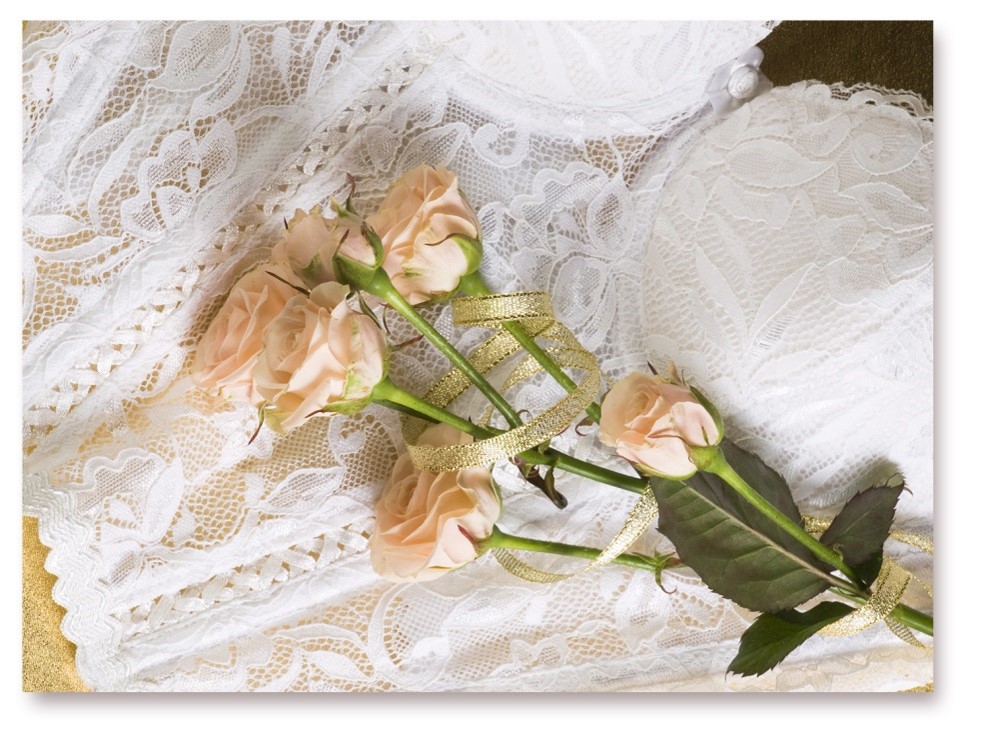
Wear the same undergarments you expect to wear with your wedding dress whenever possible.
These may include:
- Your wedding bra
- Panties
- Slip or petticoat
- Shapewear or compression garments
- Bustier or corset (if applicable)
Even small differences in undergarments can affect your final measurements.
 Wear Similar Heel Heights
If you've already selected your wedding shoes, wear shoes with the same heel height while being measured.
If you haven't chosen your shoes yet, don't worry. Hem lengths can usually be adjusted during alterations, but matching heel heights provides the most accurate floor measurements.
Use the Right Measuring Tape
Always use a flexible dressmaker's measuring tape made from cloth, plastic, or coated paper.
Metal carpenter's tapes are designed for construction—not clothing—and won't follow the natural curves of the body accurately.
Measurements should always be snug but never tight.
Find Your Natural Waist
Before taking any measurements, tie a narrow ribbon or piece of string around your natural waist.
For most brides, the natural waist is the narrowest part of the torso. If your waistline isn't easily defined, the ribbon will usually settle just above your navel.
This reference point becomes the starting point for many other important bridal measurements.
 Stand Naturally
Don't suck in your stomach.
Don't pull your shoulders back.
Don't try to stand "perfectly."
Stand the way you normally stand.
Your dress should be designed to fit your natural posture, not an exaggerated pose you'll never maintain throughout your wedding day.
Timing Matters
For the most consistent measurements:
- Measure two to three hours after eating.
- Stand relaxed.
- Keep your arms comfortably at your sides unless instructed otherwise.
- Make sure the measuring tape remains level with the floor.
Small details make a big difference in achieving a beautifully fitted wedding gown.
The Most Important Wedding Dress Measurements
Professional pattern makers may use dozens of different body measurements when designing a custom gown. Fortunately, most brides only need a handful of key measurements when ordering a wedding dress or preparing for alterations.
The following measurements are the ones most commonly requested by bridal salons, online retailers, and independent dressmakers.
 Neck
Neck
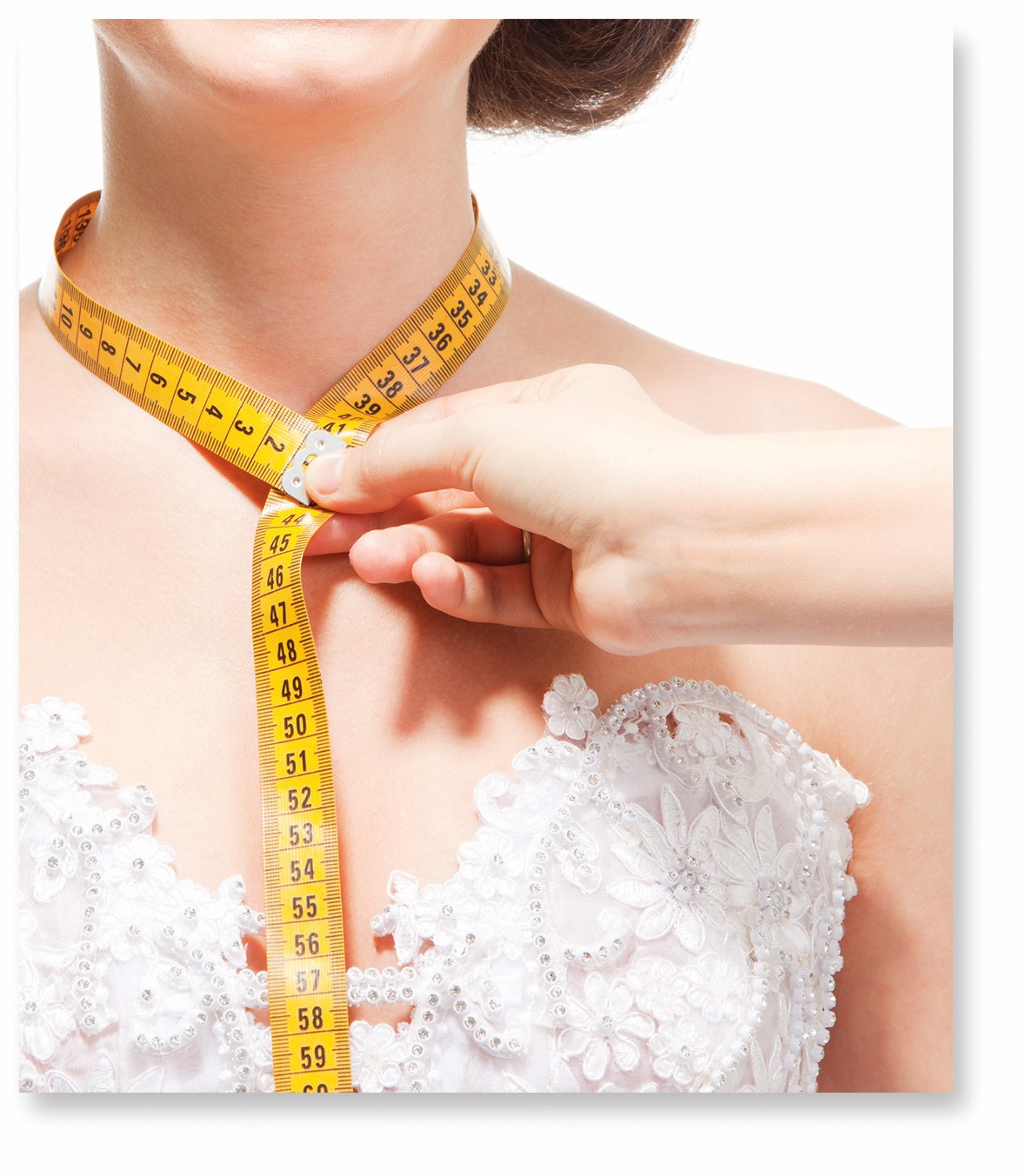
Neck circumference is measured around the base of the neck where a necklace would naturally rest. This measurement becomes especially important for gowns with high necklines, collars, halter styles, or illusion necklines.
Why It Matters
- Ensures comfortable necklines
- Prevents tight-fitting collars
- Helps achieve a smooth fit around the shoulders
Helpful Tip
Keep your shoulders relaxed and avoid lifting your chin while this measurement is being taken.
 Full Bust
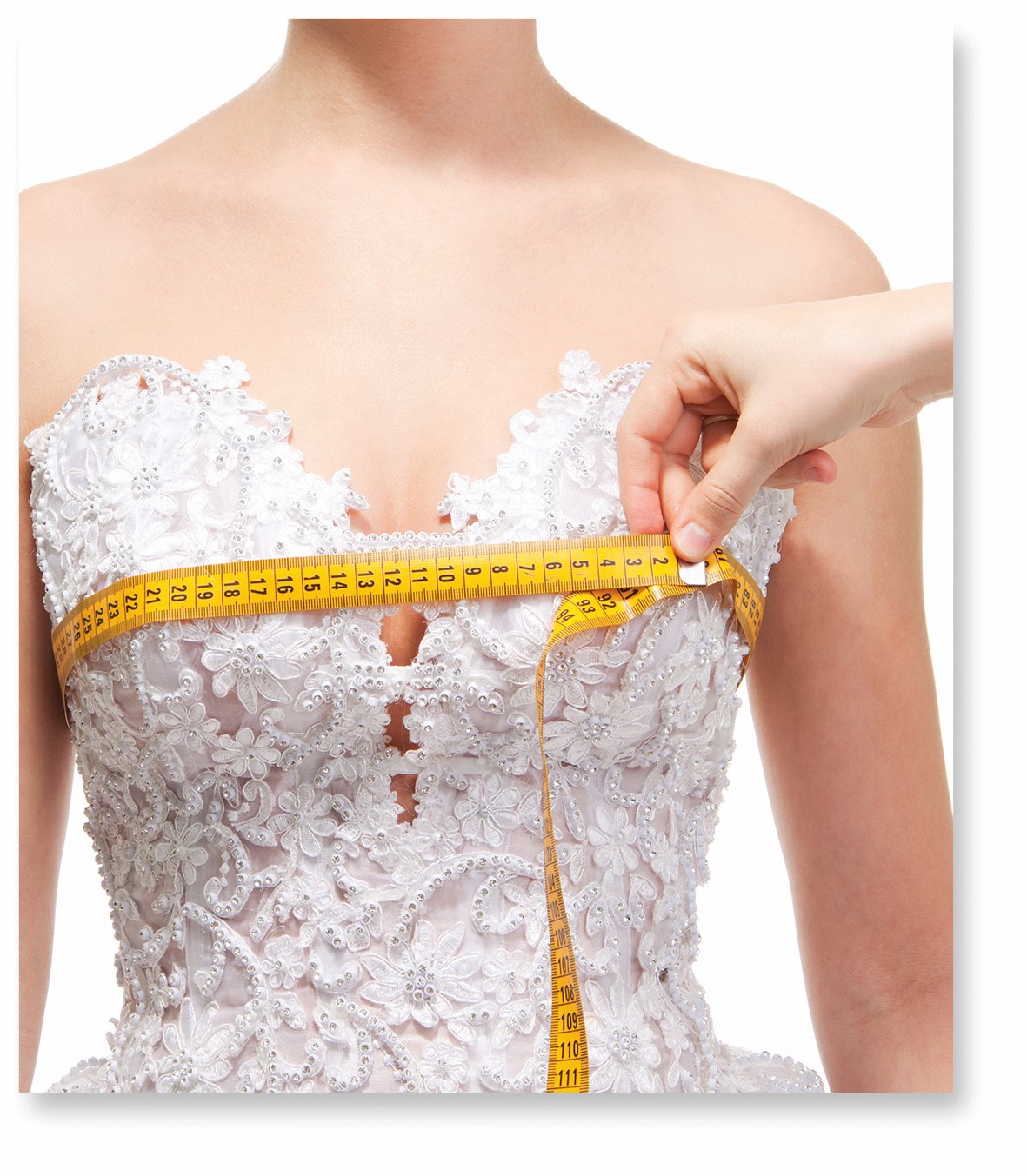
Measure around the fullest part of your bust, keeping the measuring tape level across your back and comfortably snug without compressing the bust.
This is one of the most important measurements for nearly every wedding dress.
Why It Matters
- Determines bodice size
- Helps support the bust properly
- Improves comfort and overall fit
Helpful Tip
Wear your wedding bra or the bra you'll most likely wear during alterations.
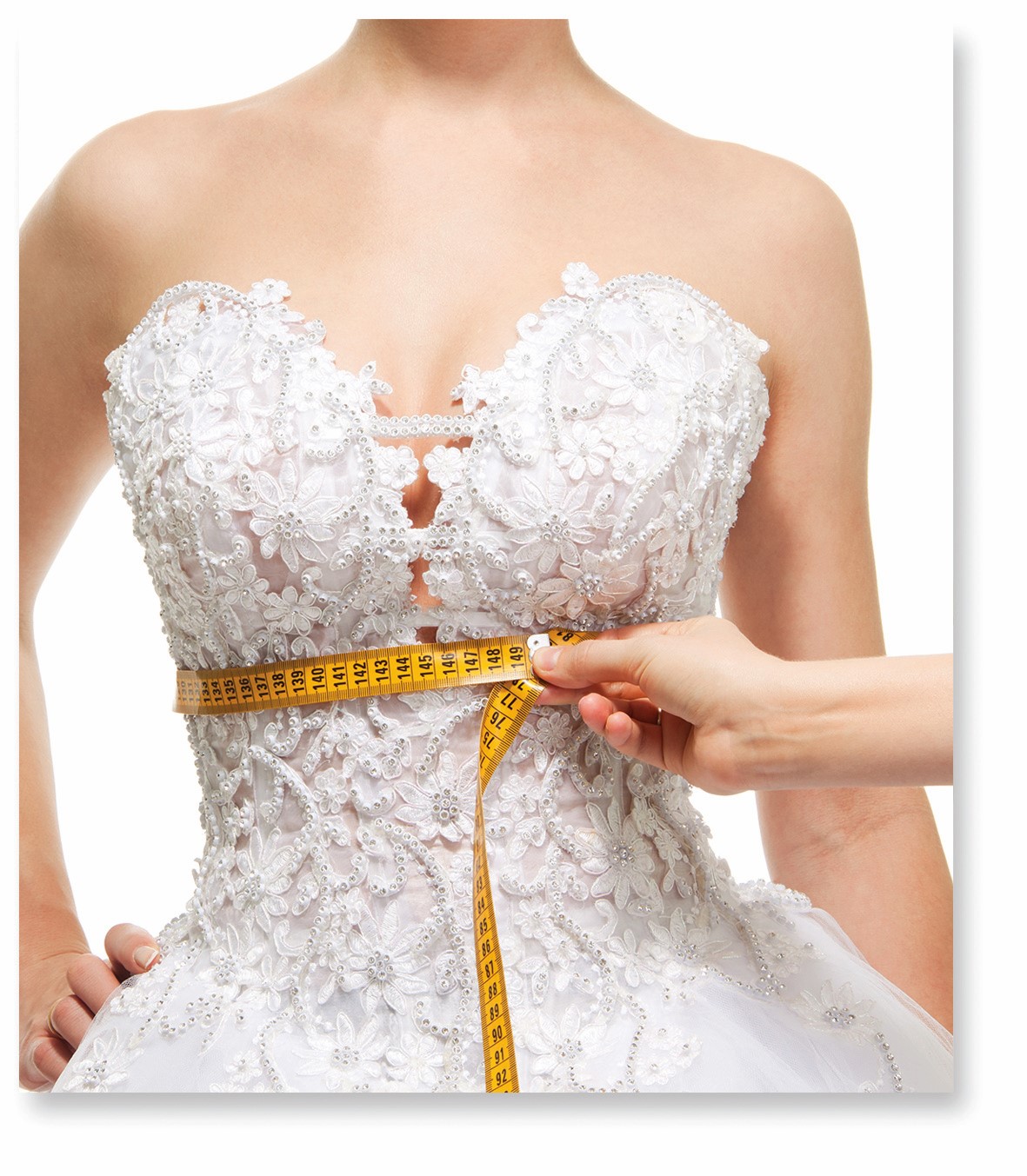 Under Bust (Ribcage)
Measure directly beneath the bust where the bra band normally sits.
This measurement becomes especially important for structured bodices, corsets, bustiers, and dresses with built-in support.
Why It Matters
- Supports structured bodices
- Improves corset fit
- Helps distribute garment weight evenly
Helpful Tip
Stand normally and breathe naturally while this measurement is taken.
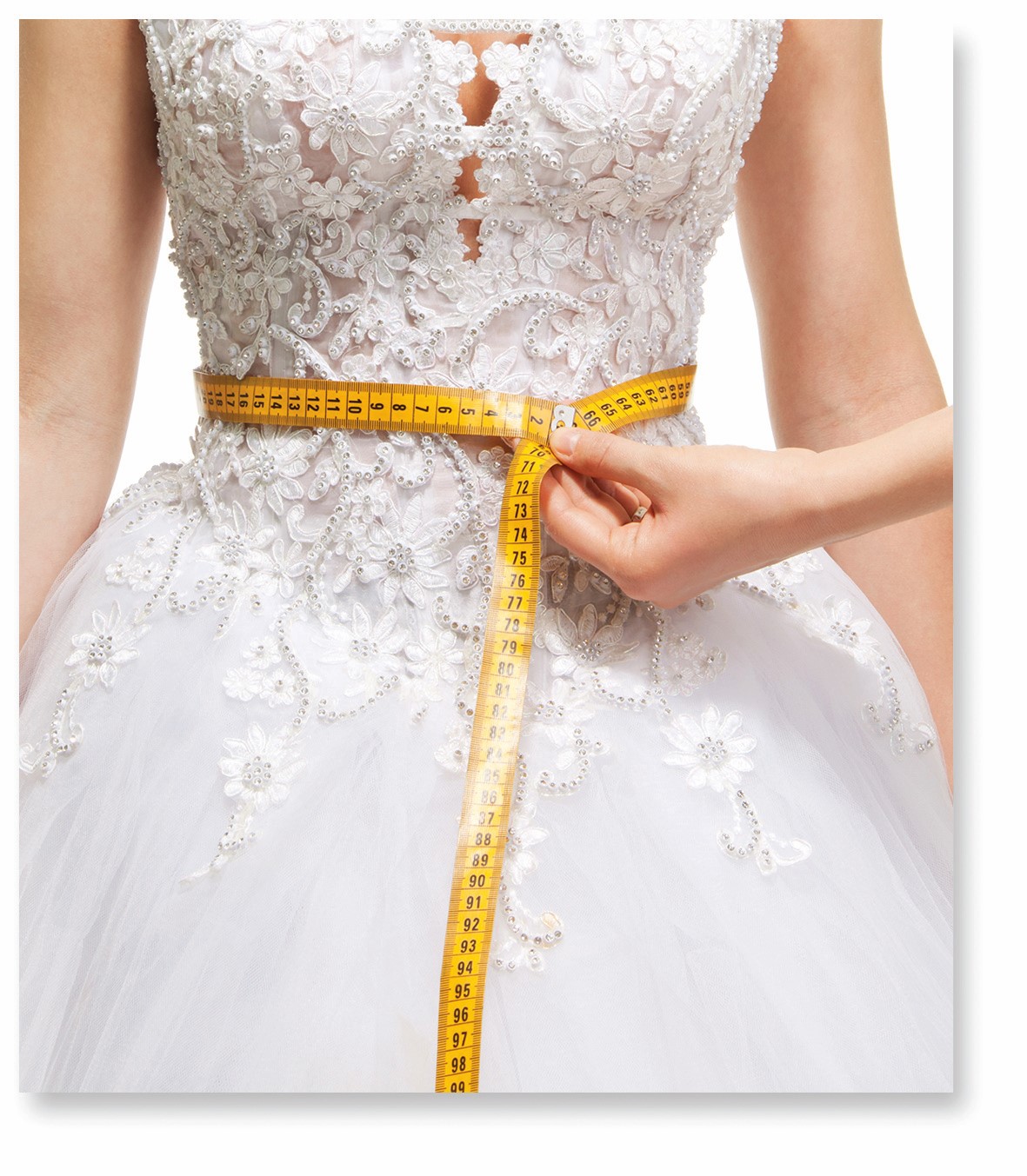 Natural Waist
The natural waist is the narrowest part of your torso and serves as the reference point for many other wedding dress measurements. It is usually located just above your navel and below your rib cage. If you've already tied a ribbon around your waist before measuring, simply measure around that ribbon.
Because nearly every wedding dress is fitted through the waist, this measurement plays a significant role in achieving a flattering silhouette.
Why It Matters
-
Determines waist sizing
-
Helps position waist seams correctly
-
Creates a balanced, flattering silhouette
Helpful Tip
Keep the measuring tape comfortably snug without pulling it tight or holding your breath.
High Hip
The high hip is measured approximately 3 to 4 inches below your natural waist. This measurement is especially important for fitted wedding dresses that begin shaping the body above the fullest part of the hips.
Although not every bridal gown requires this measurement, many fitted silhouettes do.
Why It Matters
-
Improves the fit of fitted gowns
-
Helps shape the dress through the torso
-
Prevents pulling or wrinkling
Helpful Tip
Stand with your feet together and allow the tape to remain level all the way around your body.
Full Hip
Measure around the fullest part of your hips and seat, making sure the measuring tape stays parallel with the floor.
This is one of the most important measurements for fitted gowns, mermaid silhouettes, trumpet dresses, and fit-and-flare wedding dresses.
Why It Matters
-
Determines skirt fit
-
Prevents tightness while walking or sitting
-
Helps achieve a smooth silhouette
Helpful Tip
Double-check that the tape remains level across both your front and back before recording the measurement.
Shoulder Width
Shoulder width is measured across the back from one shoulder point to the other.
Although brides don't often think about shoulder measurements, they're extremely important for dresses with sleeves, straps, illusion necklines, or off-the-shoulder designs.
Why It Matters
-
Positions sleeves correctly
-
Helps straps stay in place
-
Improves comfort through the shoulders
Helpful Tip
Stand naturally with relaxed shoulders instead of forcing your posture upright.
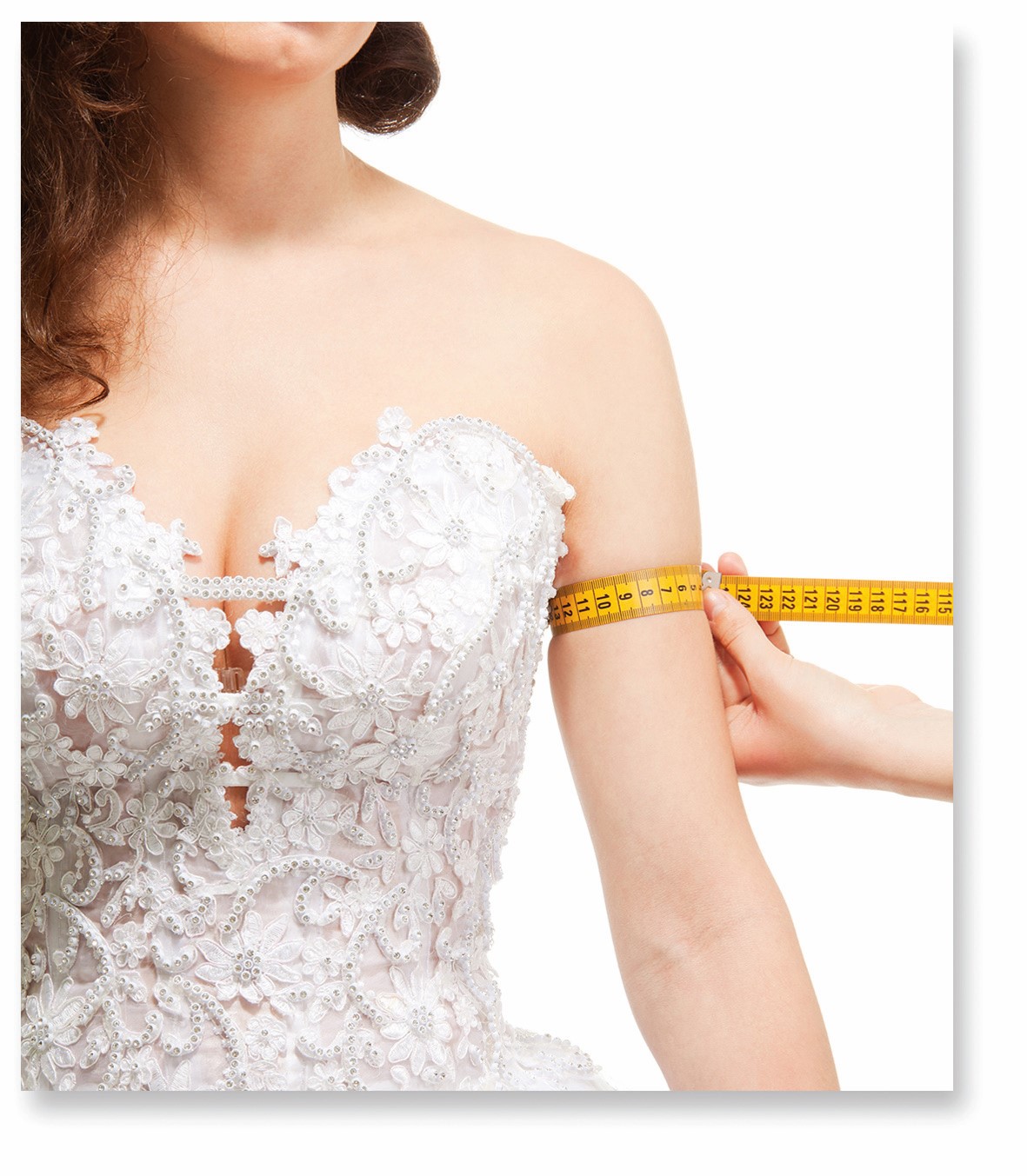 Arm Length
Arm length is measured from the shoulder down to the wrist while the arm is slightly bent.
This measurement is primarily used for gowns with long sleeves.
Why It Matters
-
Ensures comfortable sleeve length
-
Allows natural arm movement
-
Prevents sleeves from appearing too short
Helpful Tip
Keep a slight bend in your elbow while measuring to allow room for movement.
Sleeve Length
Depending on the style of your gown, sleeve measurements may end at the upper arm, elbow, three-quarter length, wrist, or even extend over the hand.
Your dressmaker will determine the appropriate finishing point based on your chosen sleeve design.
Why It Matters
-
Creates balanced sleeve proportions
-
Allows comfortable movement
-
Ensures sleeves complement the gown's style
Helpful Tip
If your dress includes lace sleeves or illusion fabric, precise sleeve measurements become even more important.
Waist to Floor
This measurement begins at your natural waist and continues straight to the floor while wearing shoes with the same heel height you expect to wear on your wedding day.
It helps determine the finished hem length of your gown.
Why It Matters
-
Determines skirt length
-
Helps prevent tripping
-
Reduces alteration costs
Helpful Tip
Always measure while standing on a hard, level surface—not carpet—for the most accurate results.
Overall Height
Your overall height should be measured while standing barefoot with your back against a wall.
Although dressmakers rely primarily on body measurements, your height helps verify proportions and serves as an additional reference when constructing or altering your gown.
Why It Matters
-
Confirms body proportions
-
Assists with pattern adjustments
-
Helps verify hem measurements
Helpful Tip
If you'll be wearing high heels, let your bridal consultant know your expected heel height even though your height is measured barefoot.
Additional Measurements for Custom Wedding Dresses
If you're ordering a fully custom wedding dress or having a gown made from scratch, your dressmaker may request additional body measurements beyond the basics covered in this guide.
These may include:
-
Bust Span
-
Bust Depth
-
Front Shoulder to Bust Point
-
Shoulder Slope
-
Across Shoulder
-
Across Back
-
Center Front Length
-
Center Back Length
-
Back Waist Length
-
Shoulder to Waist
-
Armhole Depth
-
Bicep Circumference
-
Wrist Circumference
-
Upper Hip Arc
-
Lower Hip Arc
-
Front Waist Arc
-
Back Waist Arc
-
Front Hip Arc
-
Back Hip Arc
-
Inseam (for bridal jumpsuits or pantsuits)
Don't be intimidated by these additional measurements. Most brides will never need them unless they're working with a custom bridal designer or professional pattern maker. An experienced seamstress or dressmaker will know exactly which measurements are required for your specific gown.
Buying Your Wedding Dress Online
Ordering a wedding dress online has become increasingly popular, offering brides access to thousands of beautiful styles from around the world. Accurate measurements are even more important when purchasing online because your gown can't be tried on before it arrives.
Before placing your order:
-
Measure yourself at least twice.
-
Have a second person verify every measurement.
-
Compare your measurements to the designer's size chart—not your everyday clothing size.
-
Order based on your largest measurement if you're between sizes.
-
Plan for professional alterations after your gown arrives.
Remember that bridal sizing is often different from everyday clothing sizes. Don't become discouraged if your wedding dress size is larger than what you normally wear. The number on the label is far less important than how beautifully your gown fits.
Continue Exploring Wedding Dress Styles
Now that you know how to measure for your wedding dress, continue your Wedding Dress Education Series by exploring:
-
Wedding Dress Silhouettes
-
Wedding Dress Necklines
-
Wedding Dress Sleeves
-
Wedding Dress Waistlines
-
Wedding Dress Bodice Types
-
Wedding Dress Fabrics
-
Wedding Dress Trains
-
Wedding Veil Lengths
-
Wedding Veil & Bridal Headdress Types
Understanding each design element will help you communicate more confidently with bridal consultants, seamstresses, and dressmakers while choosing the gown that's perfect for you.
Final Thoughts
One of the biggest secrets to a beautiful wedding dress isn't found in the lace, beading, or silhouette.
It's found in the fit.
Even the most breathtaking gown won't look its best if it doesn't fit your body correctly. Taking accurate measurements before ordering your dress lays the foundation for a gown that feels as wonderful as it looks.
Remember, measurements are simply numbers that help your bridal consultant or dressmaker create the best possible fit. They are not a reflection of beauty, worth, or value.
Your wedding dress should celebrate you.
When it fits beautifully, you'll spend less time worrying about your gown and more time enjoying one of the happiest days of your life.
Take your time, measure carefully, ask for help when needed, and trust the process.
The result will be a wedding dress that feels like it was made just for you.

Plan
Without the Overwhelm.
You don’t have to figure out every wedding detail at once. Explore your ideas and organize your next steps with the Wedding Planning Studio, created with Latter-day Saint brides and families in mind.
Get 21 wedding planning books, 12 apps, and bonus checklists for a one-time payment of $20.
Inspiration. Knowledge. Planning.
This is an independent resource created by a member of The Church of Jesus Christ of Latter-day Saints. It is not affiliated with or endorsed by the Church. For temple requirements, ordinances, and Church policies, please consult official Church resources or your temple