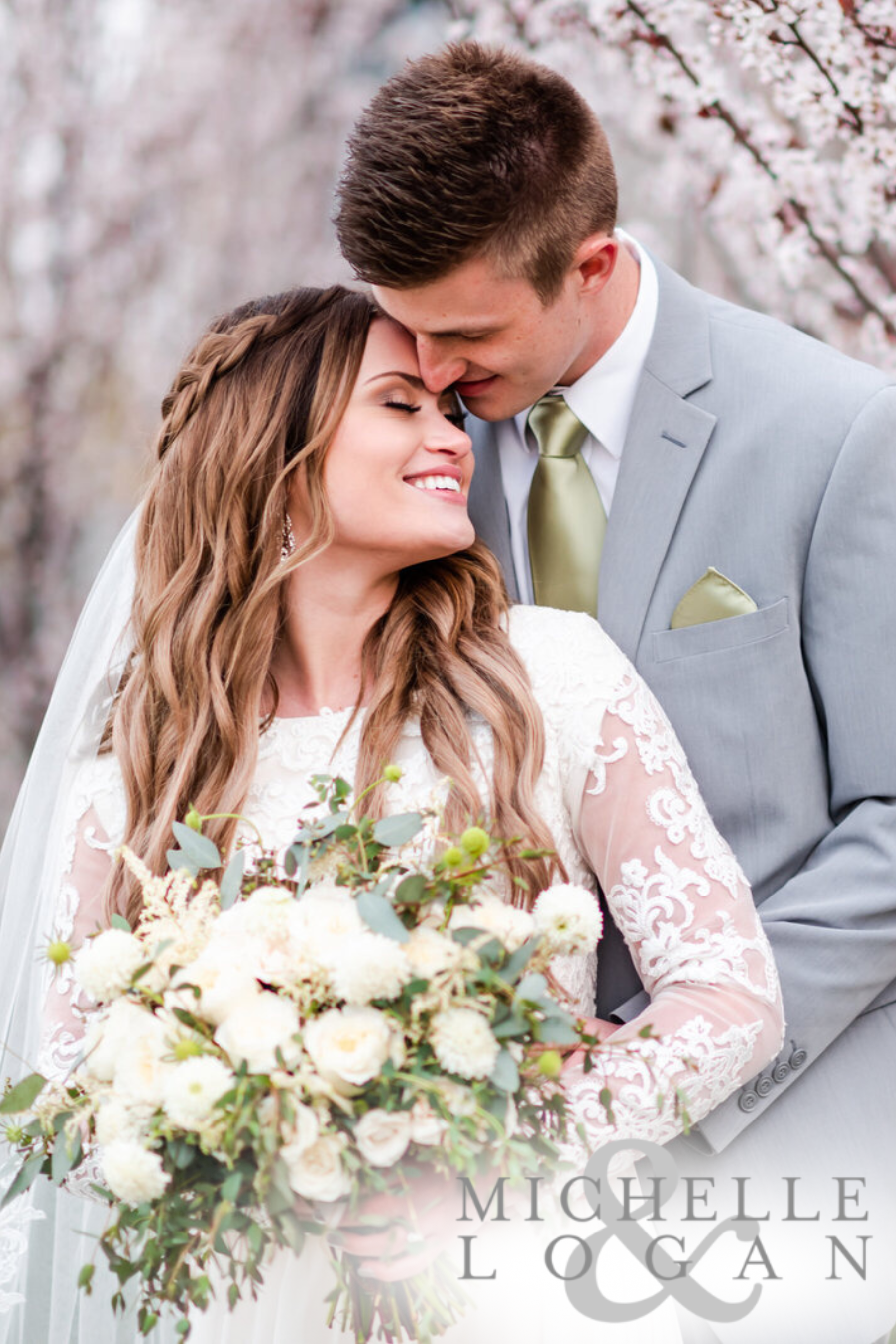
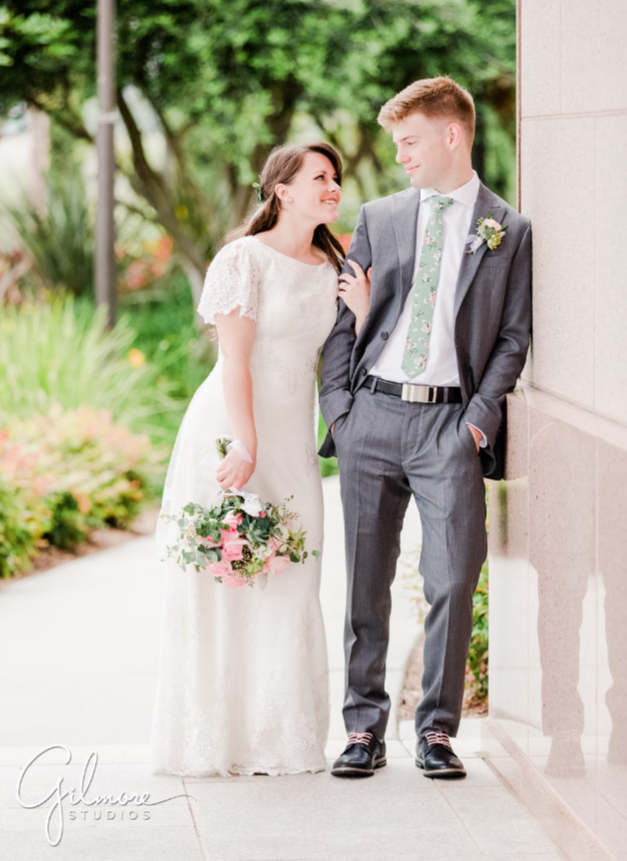
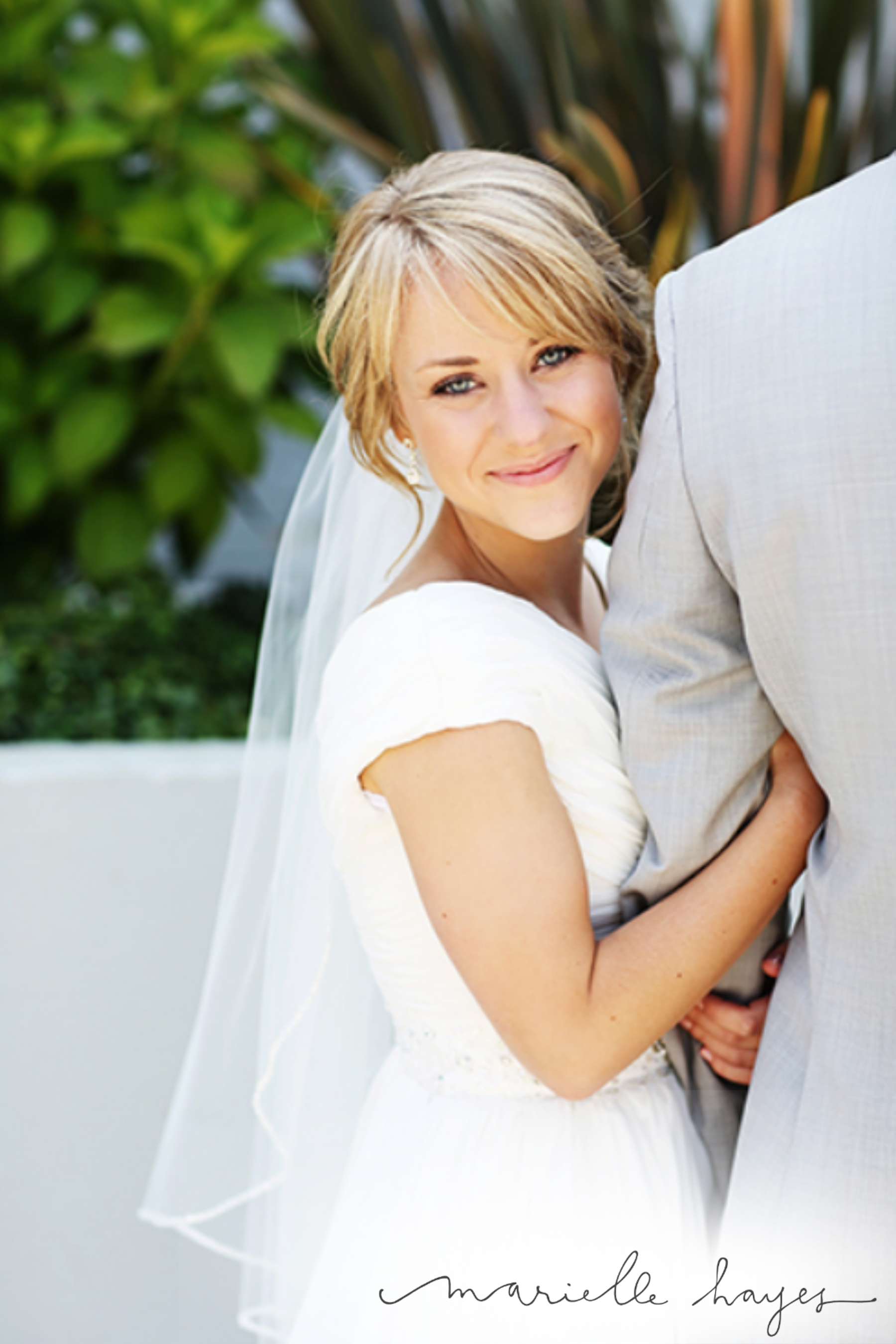
One of the most important decisions you'll make before choosing your wedding dress is deciding how formal you want your wedding to be. The formality of your event influences not only your gown, but also your veil, accessories, your groom's attire, and even what your guests should wear.
Wedding attire has its own language, and if you're planning a formal wedding, it's important to communicate that clearly on your invitations. Your guests will appreciate knowing what's expected so they can celebrate with confidence instead of worrying about being underdressed.
As a general rule, it's usually better to be slightly overdressed than underdressed at a wedding.
Formal Wedding Categories
Traditional wedding etiquette recognizes several levels of formality:
- Black Tie
- White Tie
- Black Tie Optional
- Creative Black Tie
- Semi-Formal
- Informal
- Festive Attire
Each level comes with its own expectations for the bride, groom, wedding party, and guests.
Basic Formality Guidelines
For Brides
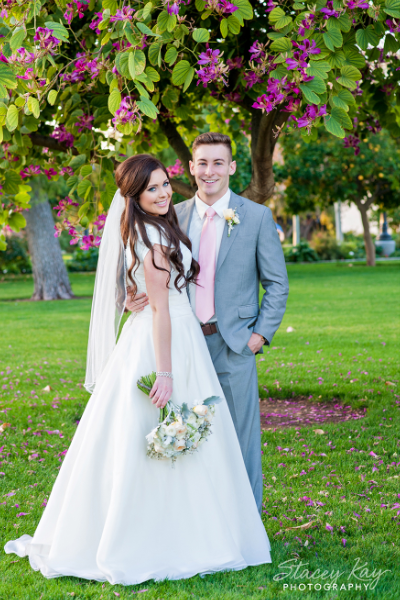
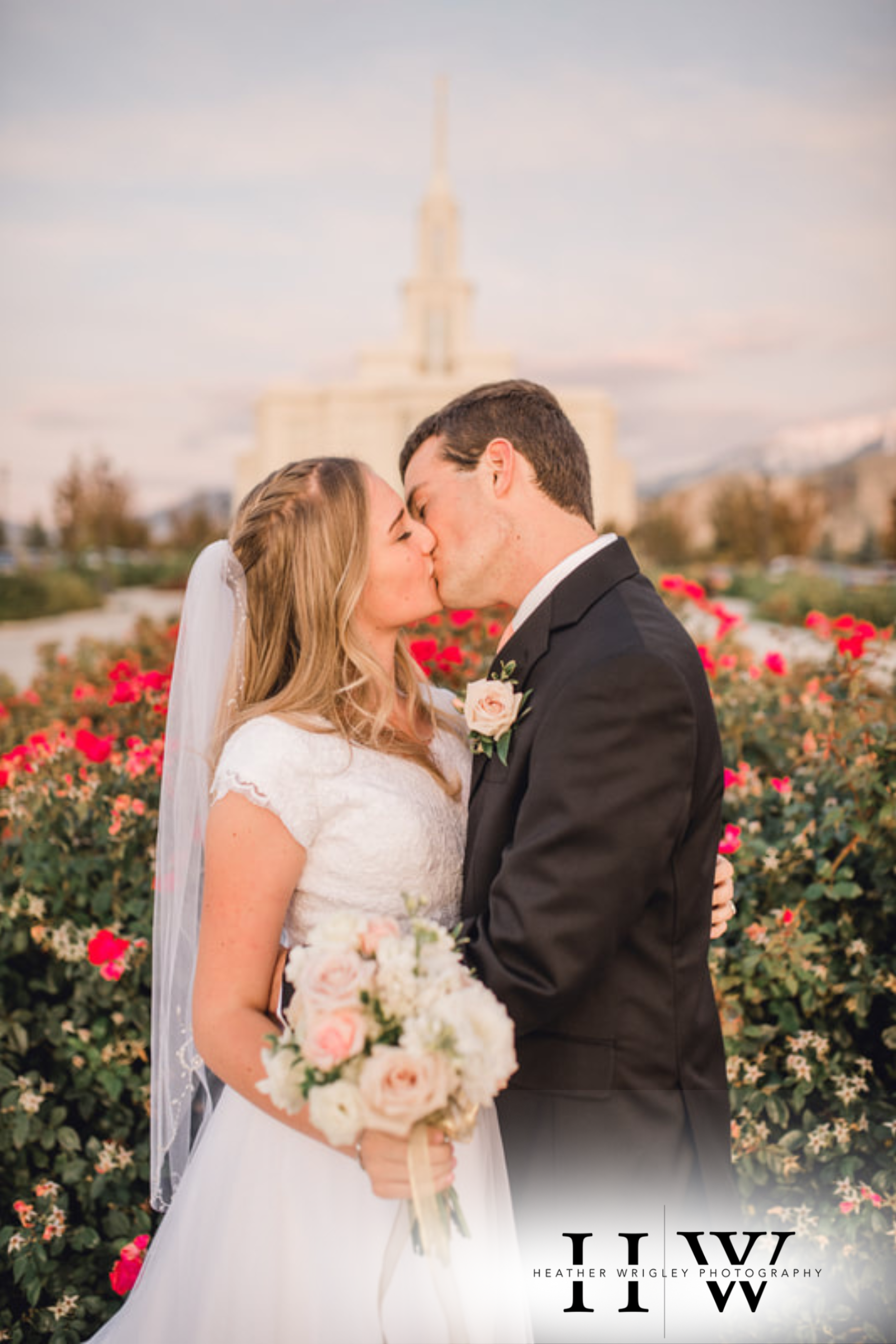
Cathedral veils should generally be paired with chapel-length or cathedral-length gowns.
Opera-length gloves (full-length gloves extending above the elbow) are considered strictly formal and should not be worn at semi-formal or informal weddings.
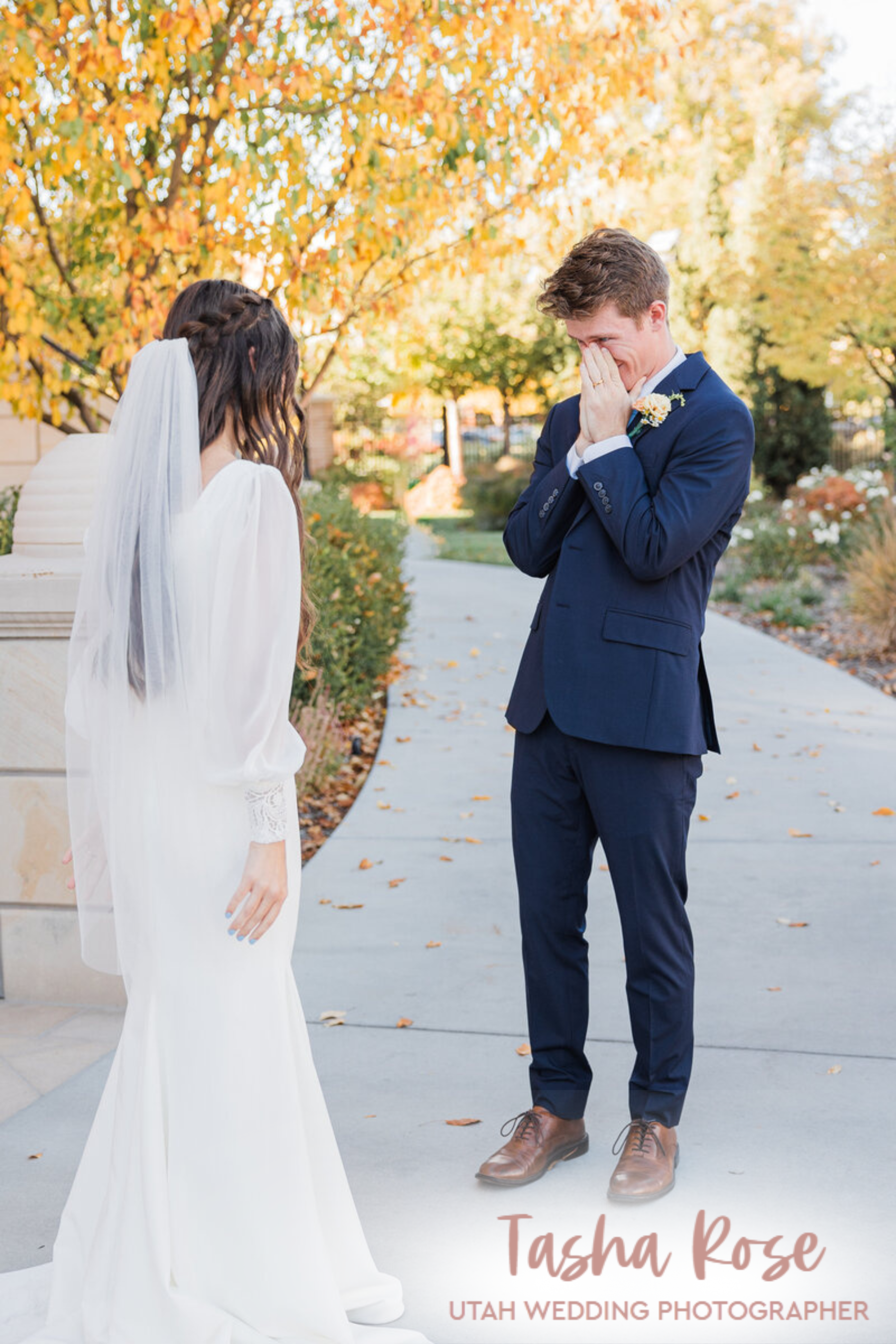
Tea-length gowns and longer dresses are appropriate for nearly all wedding formality levels, while elbow-length or longer veils are widely accepted.
For Grooms
Waistcoats and vests are appropriate at every level of formality.
Jeweled studs and cufflinks are typically reserved for evening weddings, while pearl studs and cufflinks are more appropriate during daytime ceremonies.
Tailcoats, tuxedos, morning coats, and cummerbunds are considered formal attire.
For Guests
For men, a dark suit is almost always a safe choice.
For women, dresses that fall between the knee and the ankle—or floor—are generally appropriate. Guests should avoid gowns that trail significantly beyond floor length unless attending a highly formal Black Tie event.
Black Tie Weddings
A Black Tie wedding is considered one of the most formal wedding styles.
Because Black Tie attire requires special clothing, the dress code should be clearly stated on the invitation to help guests prepare appropriately.
Traditionally, Black Tie weddings take place after 5:00 p.m.
Bridal Attire
Brides and bridesmaids typically wear full-length gowns that reveal little or none of the shoe.
Cathedral veils are appropriate, although any veil extending below the elbow is acceptable.
Opera-length gloves may be worn but are not required.
Groom's Attire
Grooms and groomsmen traditionally wear:
- Tailcoats
- White shirts with French cuffs
- Studs and cufflinks
- Wing-tip collars
- Bow ties
- Waistcoats or cummerbunds
- Polished leather shoes
Guest Attire
Female guests are expected to wear ankle-length or floor-length dresses.
Male guests are generally expected to wear tuxedos.
White Tie Weddings
White Tie weddings can be held either before or after 5:00 p.m. and are sometimes chosen for elegant daytime or breakfast weddings.
Daytime White Tie
Brides and bridesmaids typically wear dresses that fall below the knee.
Grooms wear morning coats with matching trousers and waistcoats, white shirts, pearl studs, and long ties.
Evening White Tie
Brides typically wear floor-length gowns.
Grooms wear tails, white bow ties, wing-tip collars, formal studs, and polished shoes.
Guest attire becomes correspondingly more formal as well.
Black Tie Optional, Black Tie Invited, or Formal
These categories follow many of the same expectations as Black Tie weddings but allow a bit more flexibility.
For the Groom
The groom may wear:
- A tuxedo instead of tails
- A long tie instead of a bow tie
For the Bride
The bride still wears a formal-length gown and full veil.
For Guests
Male guests may choose either a tuxedo or a dark suit.
Female guests should still lean toward ankle-length or longer dresses.
Creative Black Tie
Creative Black Tie allows you to add personality while maintaining an overall formal appearance.
You might choose:
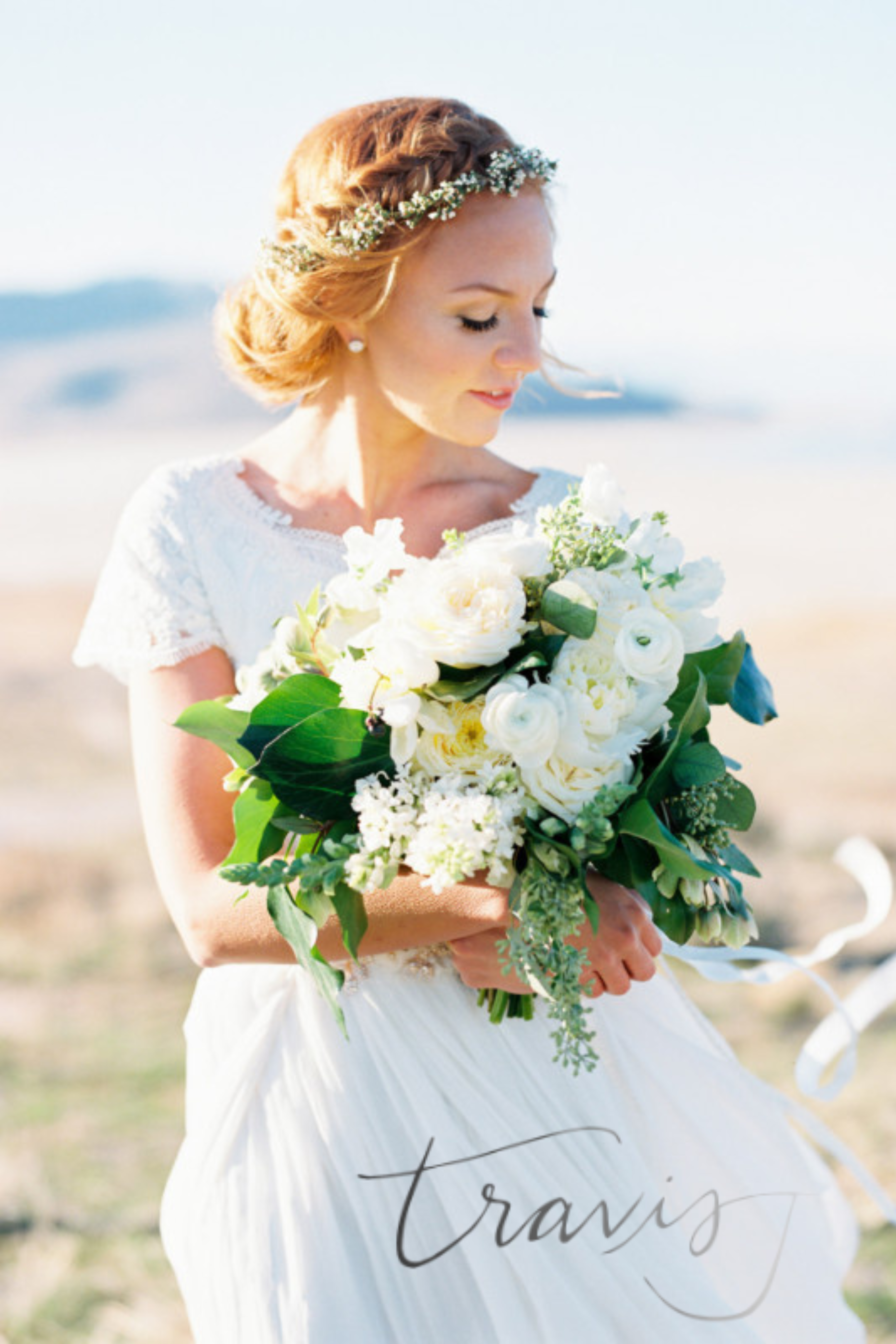
- A birdcage veil
- Unique headpieces
- Colored accessories
- Fashion-forward details
Guests may also incorporate more color, personality, and flair into their attire while still respecting the formal nature of the event.
Semi-Formal Weddings
Semi-formal weddings strike a balance between elegance and comfort.
Bridal Attire
Brides may wear dresses ranging from knee-length to floor-length.
Full veils remain appropriate, but cathedral trains and cathedral veils are generally considered too formal.
Opera-length gloves should be avoided.
Groom's Attire
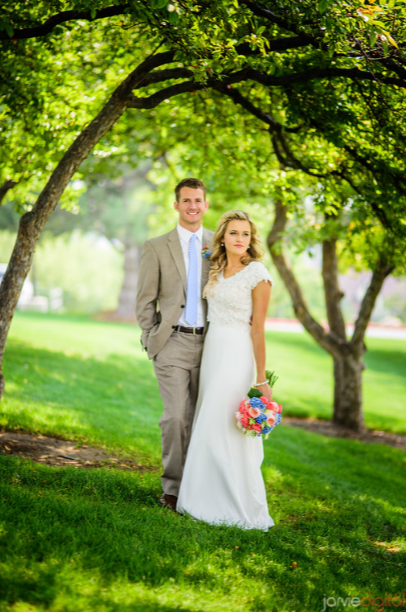
A dark suit with a white shirt and polished shoes is ideal.
Vests are acceptable, but cummerbunds typically feel too formal for this category.
Guest Attire
Men should wear suits, sport coats, or dress trousers with appropriate shirts.
Women may wear dresses of varying lengths as long as they remain above the floor.
Informal Weddings
Don't let the word "informal" fool you—it doesn't necessarily mean casual.
Many beach weddings and outdoor celebrations fall into this category, but not all outdoor weddings are informal.
Bridal Attire
Brides may wear:
- Short wedding dresses
- Tea-length dresses
- Floor-length dresses without formal trains
- Short gloves
- Any style of headpiece
Shorter veils generally complement informal weddings best.
Groom's Attire
Depending on the setting, the groom may wear:
- A dark suit
- A lighter-colored suit
- A sport coat with dress trousers
Some very casual weddings may permit even more relaxed attire.
Guest Attire
Because informal weddings vary widely, guests may want to confirm expectations with the couple if the invitation isn't specific. Nobody wants to arrive in a cocktail dress only to discover everyone else is wearing shorts and sandals!
Festive Attire
Festive Attire is the most flexible wedding dress code.
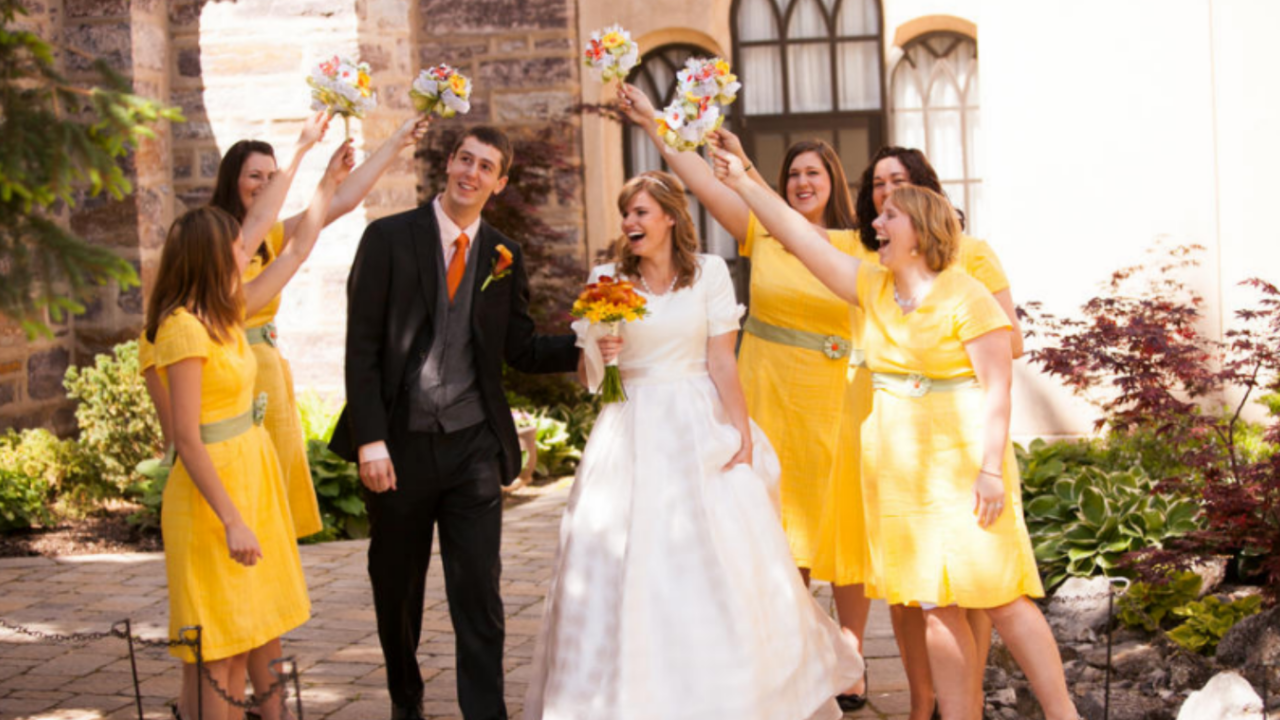
When you designate your wedding as festive, you're giving guests considerable freedom to express themselves through color, style, and creativity.
Festive attire works especially well for:
- Theme weddings
- Beach weddings
- Cocktail-style receptions
- Holiday celebrations
- Destination weddings
If you're hosting a themed wedding, be sure to explain the theme clearly in your invitation so guests know how to participate.
Help Your Guests Feel Comfortable
One of the kindest things you can do as a bride is clearly communicate your wedding's level of formality.
Your family and friends want to celebrate with you. They also want to feel comfortable and appropriately dressed for your special day. A simple note on the invitation can prevent confusion, embarrassment, and unnecessary stress.
The more clearly you communicate your expectations, the easier it will be for everyone to focus on what truly matters—celebrating the beginning of your new life together.