Skirt Types for My Wedding Dress
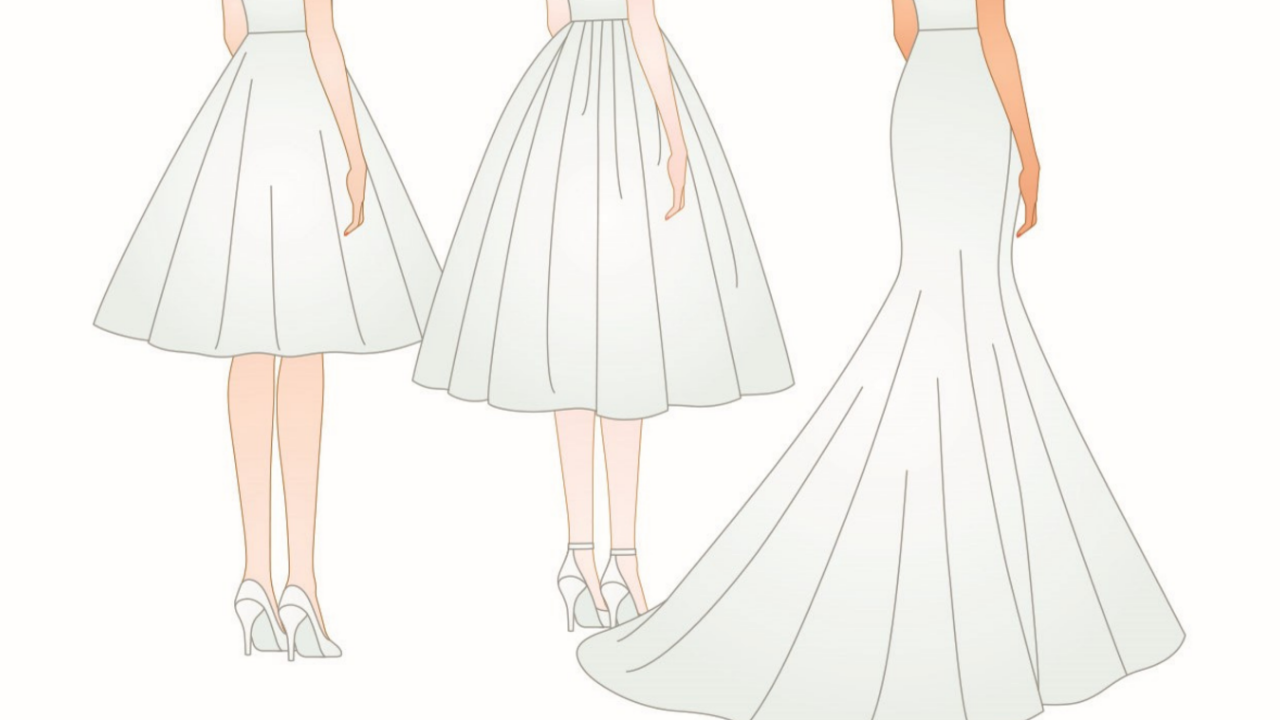
Images © B.R.I.D.E.S. Guide, Rosanna Haller
From the Wedding Dress Education Series The Bride's Guide to Finding the Perfect Wedding Dress
This comprehensive guide helps brides understand silhouettes, sleeves, necklines, waistlines, trains, fabrics, and hundreds of wedding dress design details.
Wedding dress SKIRTS can dramatically change the look, feel, and personality of your gown. While the bodice often receives the most attention during dress shopping, the skirt determines much of the dress's movement, silhouette, and overall impact.
A skirt is the portion of a garment that falls below the waistline seam, or below the visual waistline if no seam exists. You'll find skirts on dresses, coats, and even men's formalwear. In wedding fashion, the skirt plays a major role in creating balance between the upper and lower portions of the gown.
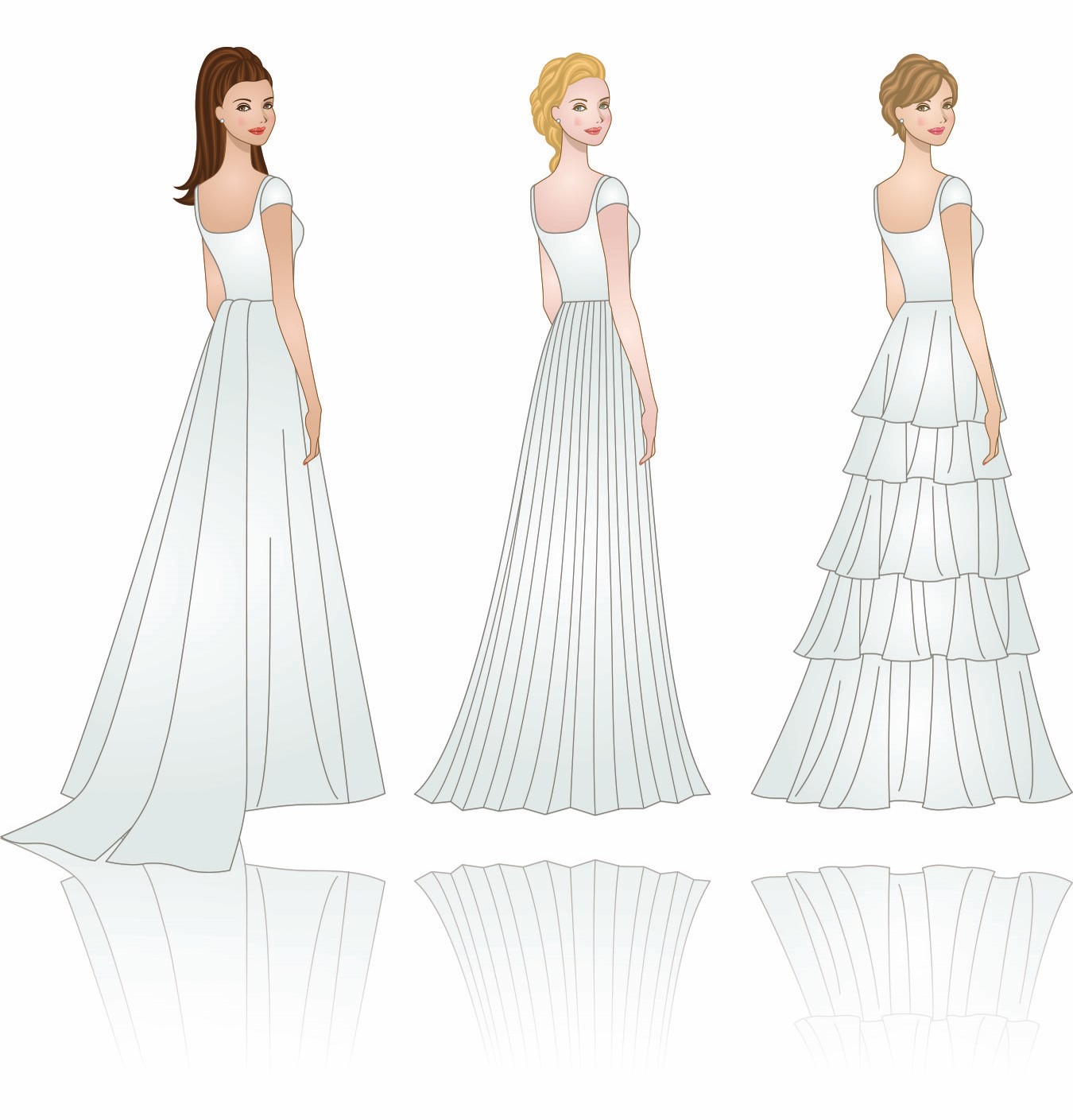
Dress skirts (with the exception of princess-seamed designs) are typically joined to the bodice at the waist. The ideal skirt creates harmony with your neckline, sleeves, bodice details, and body type. Some skirts create volume and drama, while others offer simplicity and elegance.
Here are some of the most popular wedding dress skirt types you'll encounter while shopping.
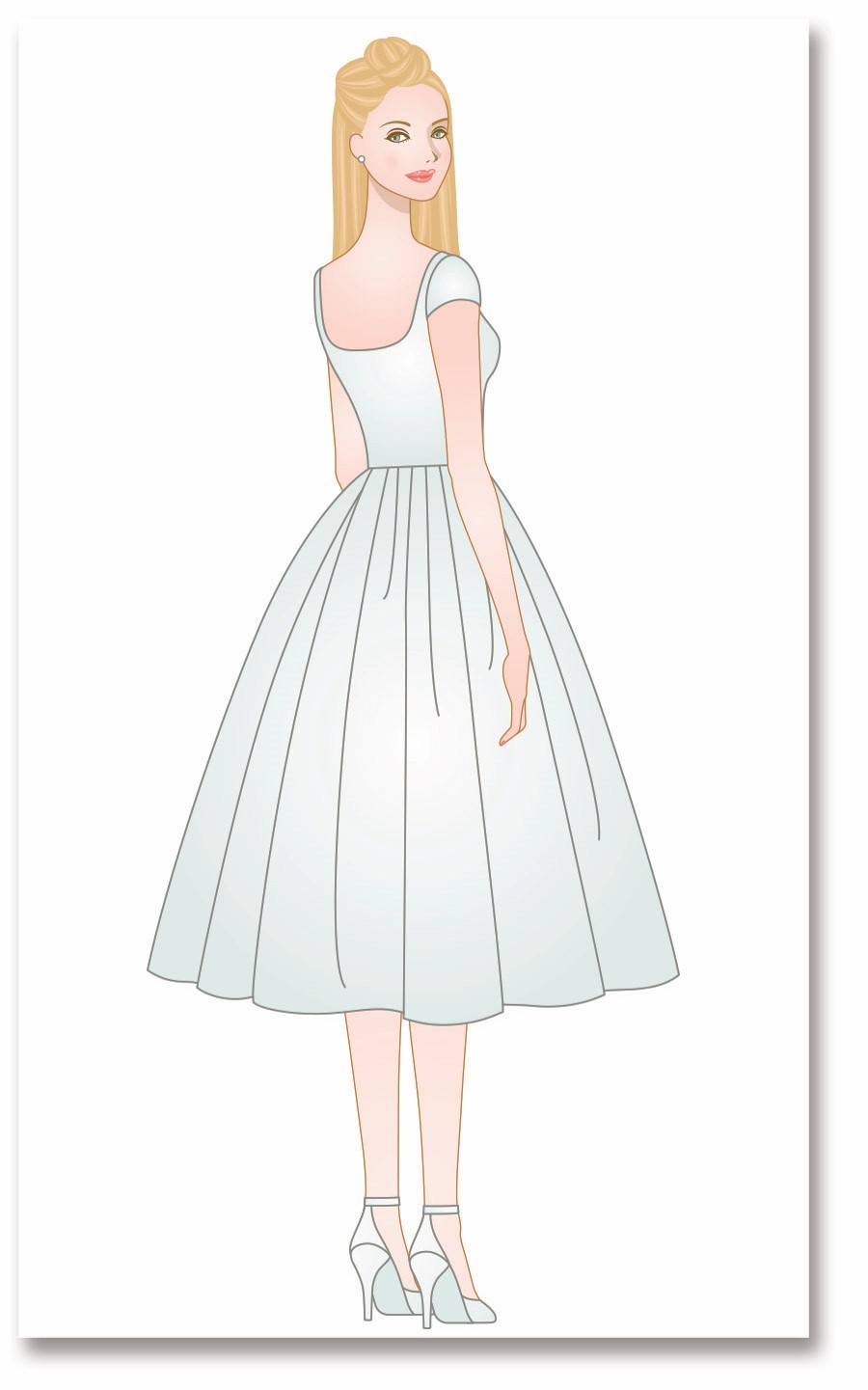 Gathered Skirt
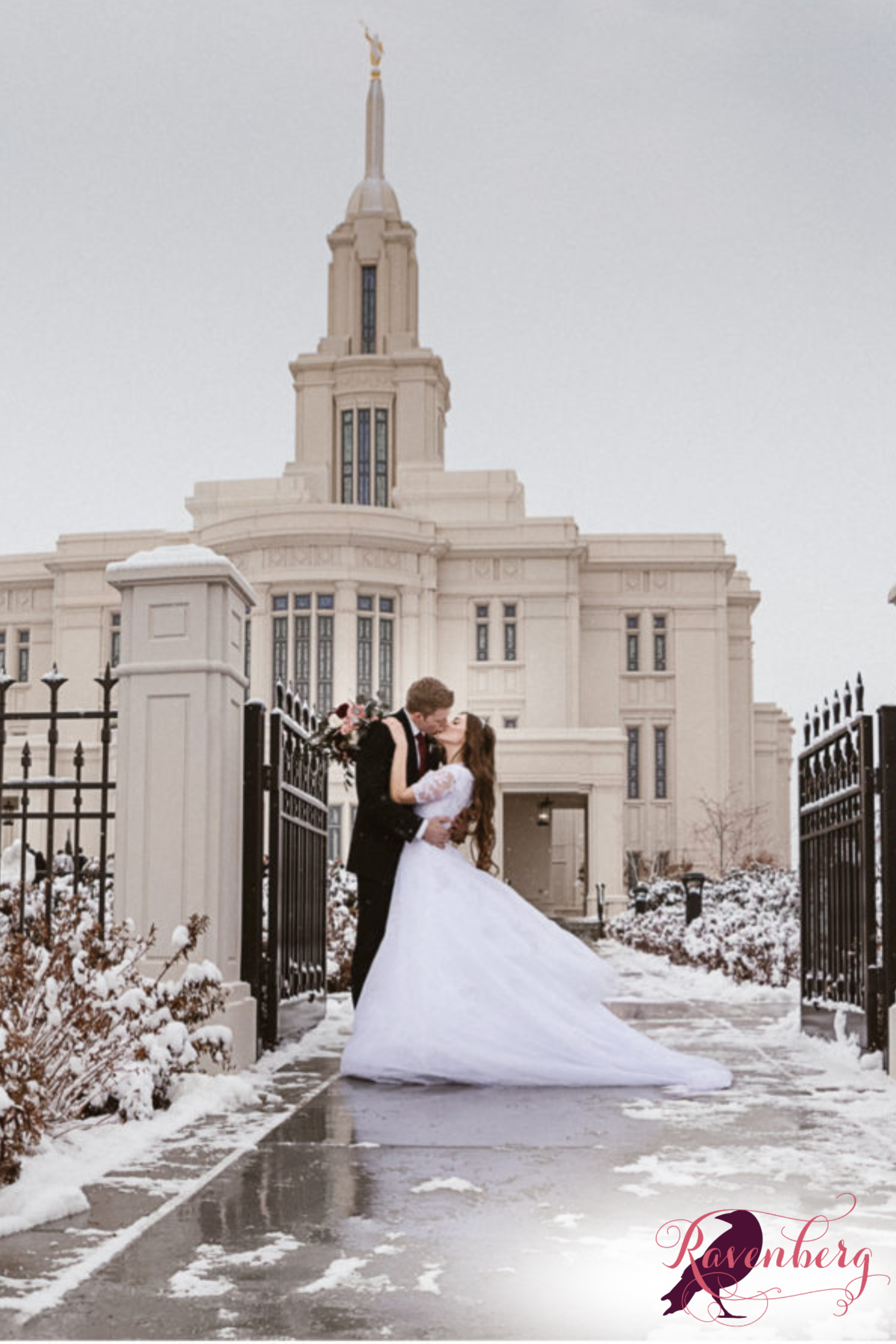
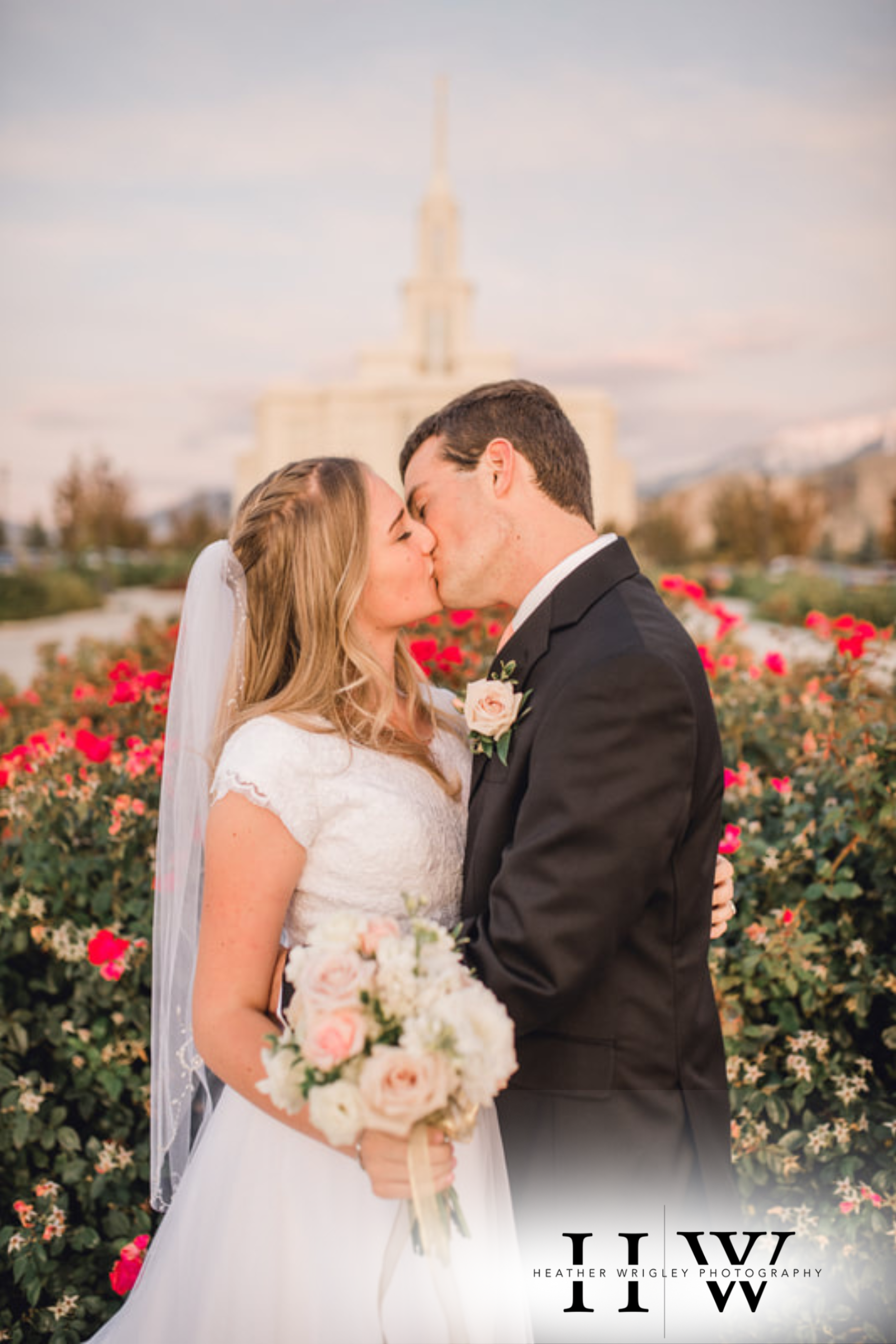
A Gathered Skirt is created when fabric is gathered along one edge before being sewn into the waist seam. The gathering causes the fabric to puff outward, creating fullness and volume.
This classic technique adds softness and movement to a gown while creating a romantic silhouette. Gathered skirts are often seen in ballerina-inspired dresses, princess styles, and gowns designed to create graceful movement throughout the skirt.
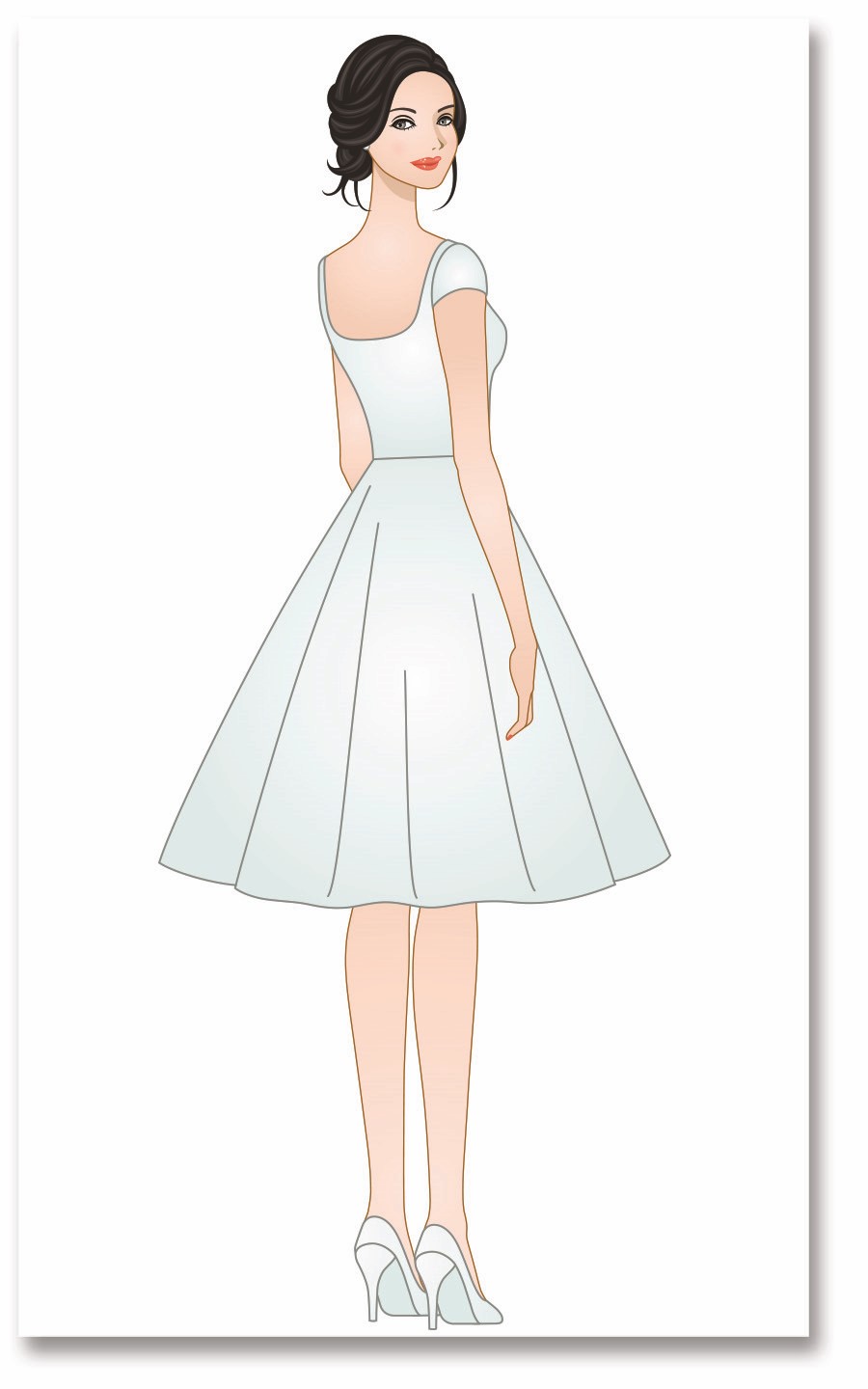 Circle Skirt
A Circle Skirt is cut from a circular piece of fabric with the center removed and attached to the waistline. The outer edge naturally forms soft ripples and waves around the hem.
Circle skirts create beautiful movement without adding excessive bulk at the waist. Brides who want fluidity, elegance, and a flattering silhouette often gravitate toward this style because it skims the body while still offering fullness below.
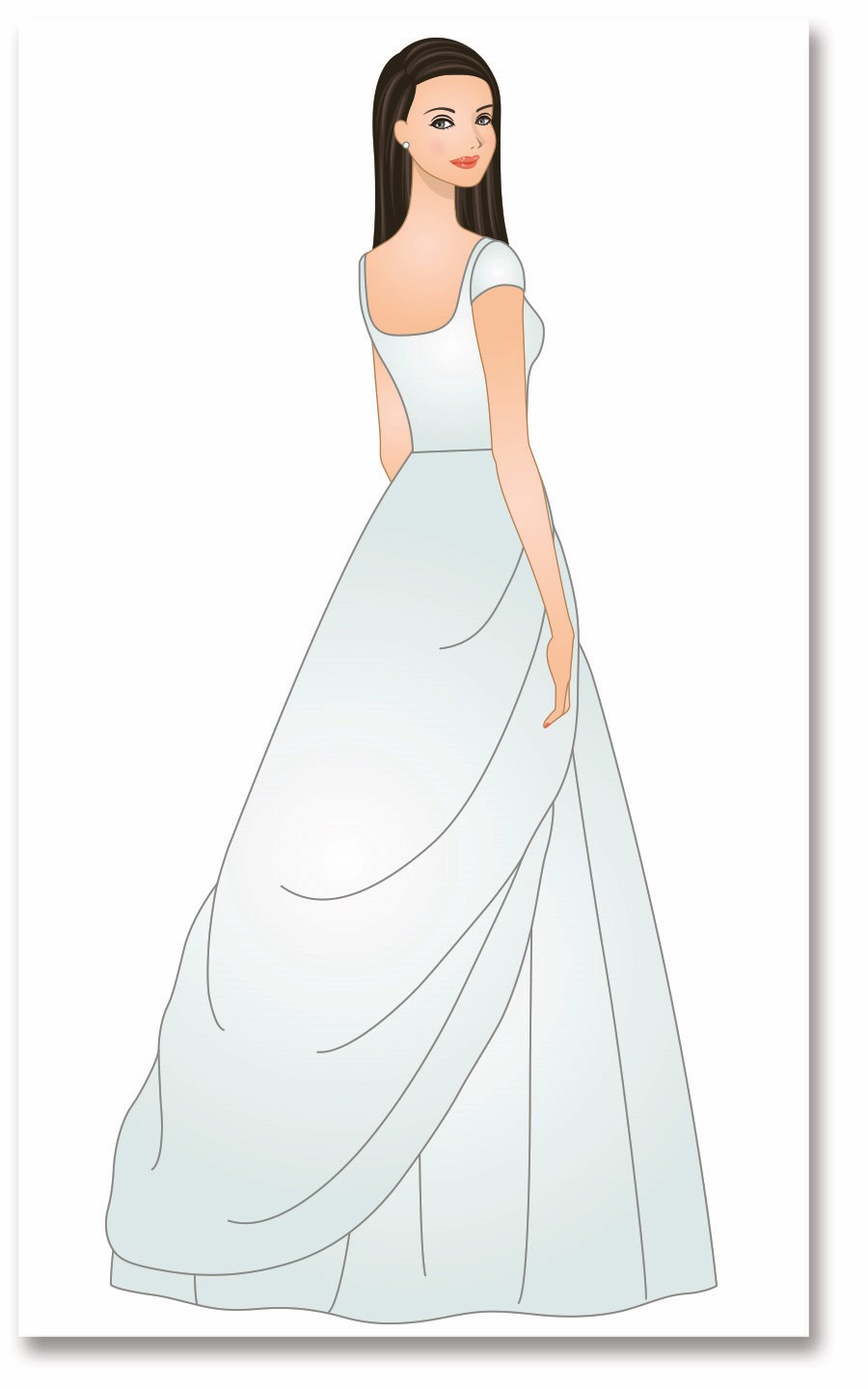 True Overskirt
A True Overskirt lies over the main skirt and covers the back, sides, and portions of the front while leaving part of the underlying skirt visible.
This design adds dimension, layering, and elegance to a gown. Brides who love regal, princess-inspired, historical, or cathedral-style wedding dresses often find overskirts especially appealing because they create dramatic movement and visual interest without overwhelming the silhouette.
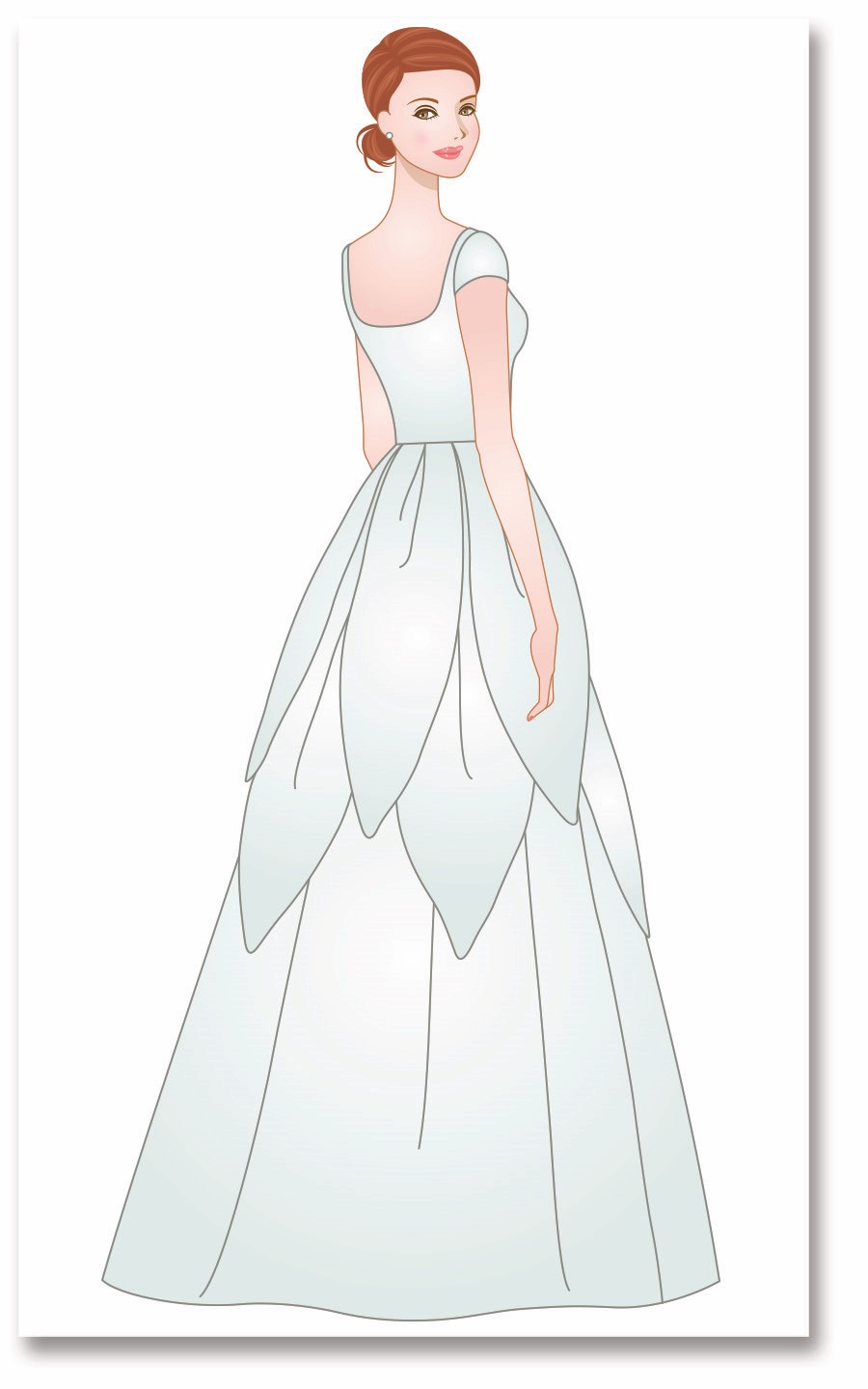 Petal Overskirt
Petal Overskirts are constructed from multiple overlapping oval or petal-shaped pieces that cascade over the main skirt like flower petals.
This romantic design adds texture, softness, and movement to the gown. Petal overskirts are especially beautiful for garden weddings, spring celebrations, and brides who want their dress to feel feminine, whimsical, and unique from every angle.
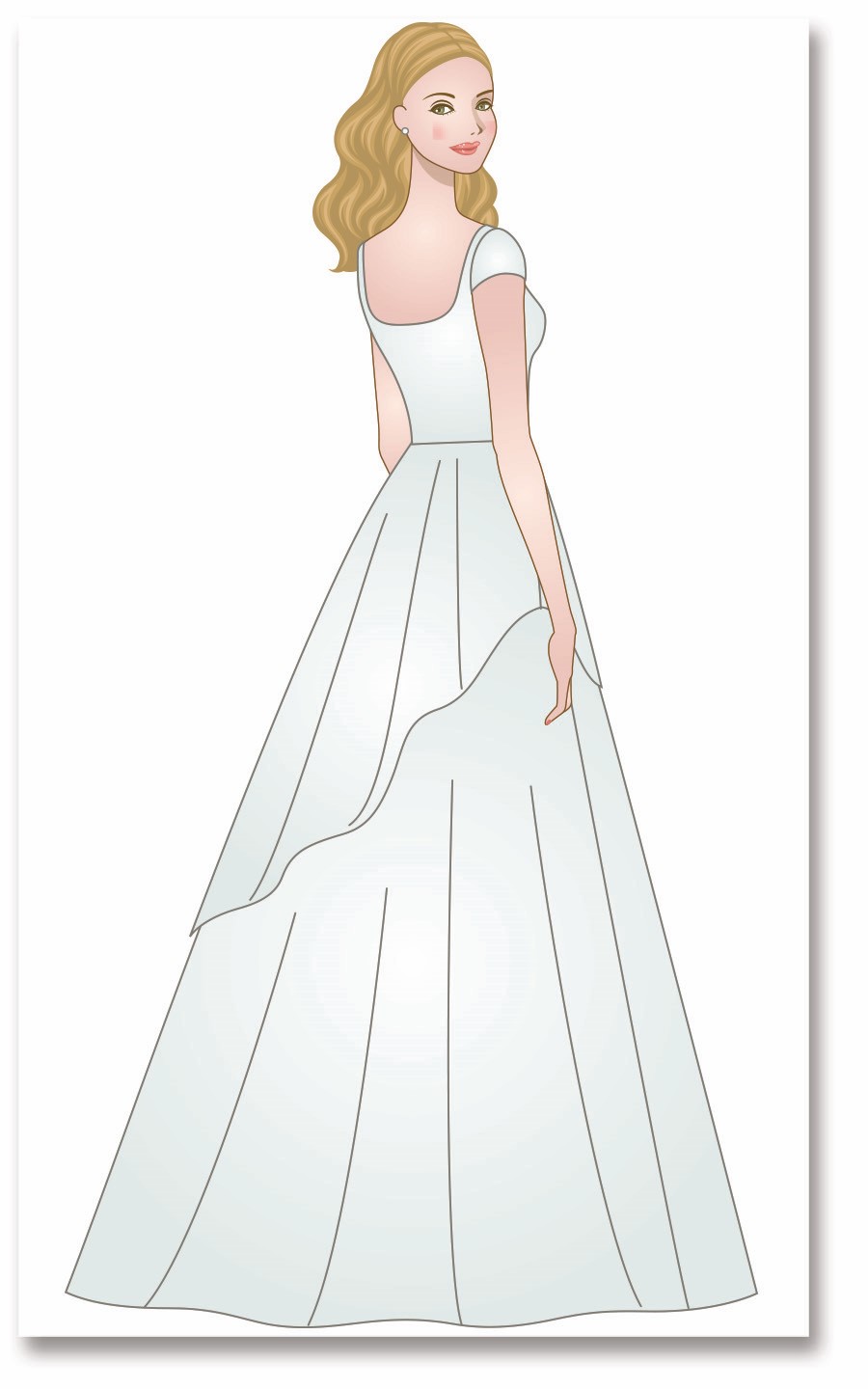 Bias Cut Overskirt
A Bias Cut Overskirt is cut diagonally across the fabric grain rather than straight with the grain. This technique allows the fabric to drape more softly and naturally.
Because of its fluid movement, a bias-cut overskirt creates a graceful appearance without adding unnecessary volume. Brides seeking a softer, more elegant silhouette often appreciate how this style flows beautifully as they walk and dance.
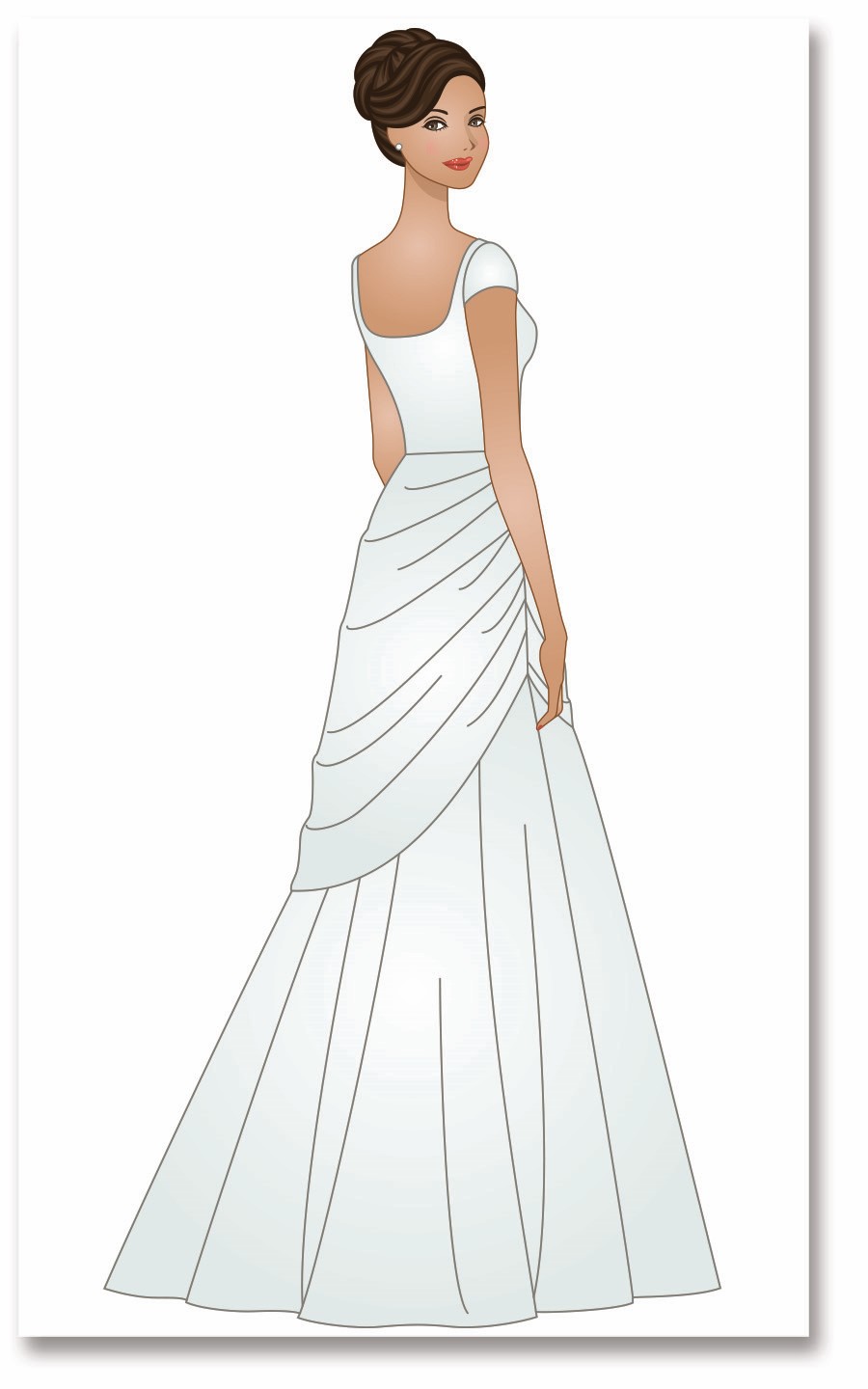 Draping Skirt
A Draping Skirt is created when extra fabric is gathered into side or back seams, creating soft folds and cascading movement.
This detail adds fullness and visual interest while maintaining elegance and sophistication. Draping works especially well on longer gowns where the folds have room to fall naturally and create graceful movement throughout the skirt.
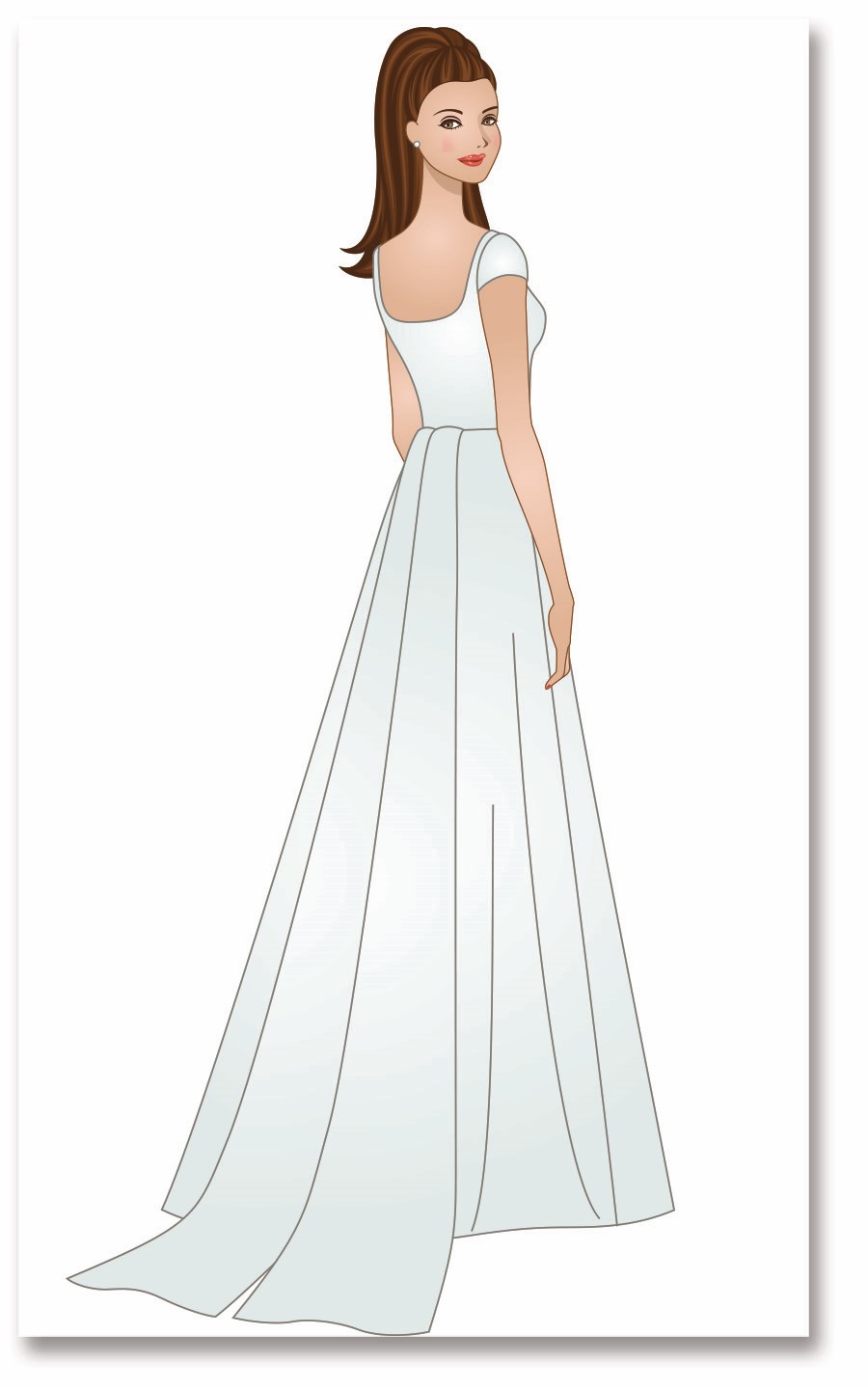 Streamers and Tails
Streamers are long, narrow fabric panels that extend from the skirt, while Tails are wider panels that fall from the waist, shoulders, or back of the gown.
Both details create drama and movement without requiring a traditional train. They are often found in Renaissance-inspired, historical, fantasy, and couture wedding designs where flowing fabric enhances the overall visual impact of the dress.
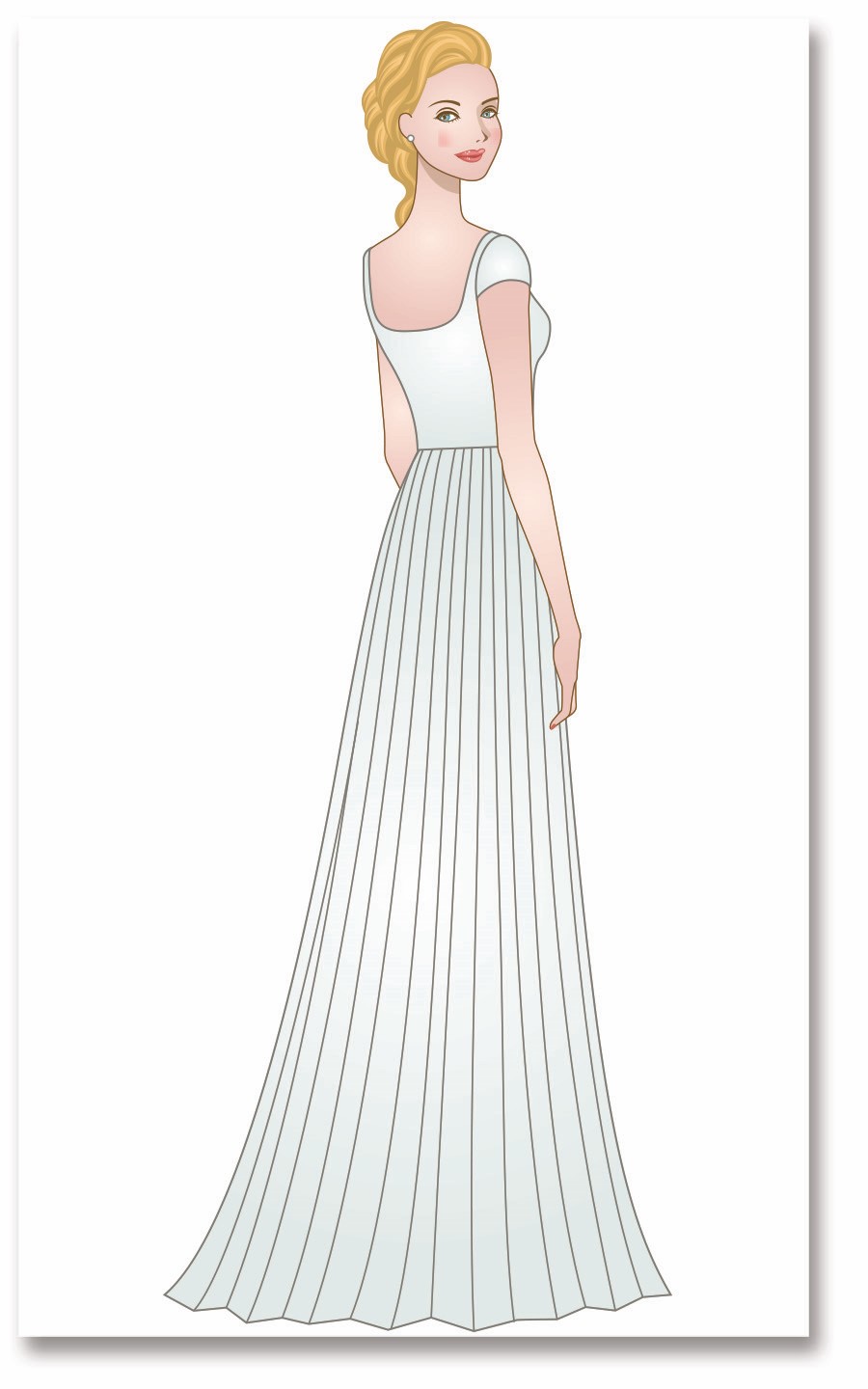 Accordion Pleated Skirt
Accordion Pleats consist of evenly spaced folds that resemble the bellows of an accordion. The folds all face the same direction and create beautiful vertical lines throughout the skirt.
This style adds movement and visual length while maintaining a slim profile. Accordion pleats work particularly well on brides with straighter figures because the pleats can fall naturally without being forced open by body curves.
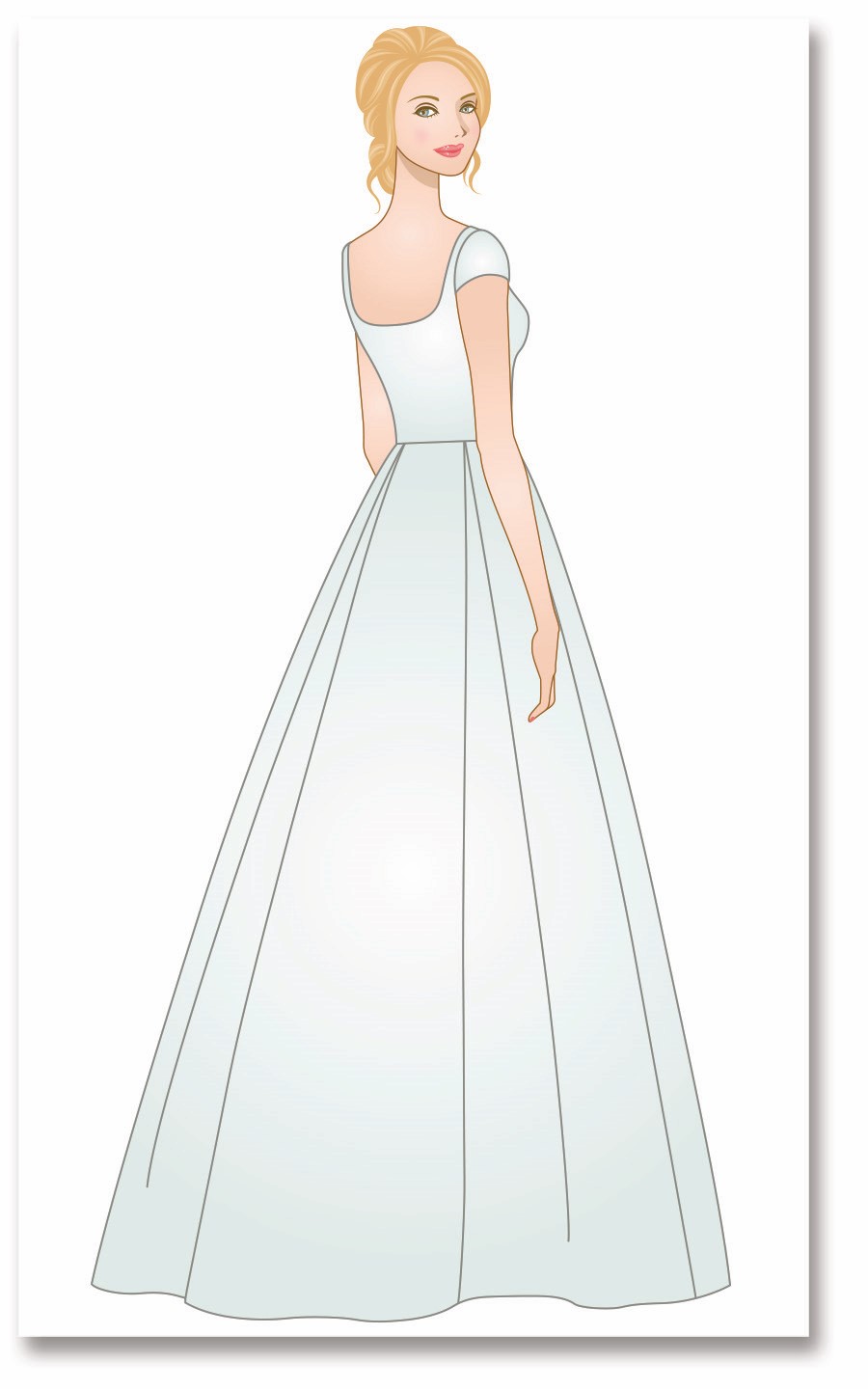 Box Pleated Skirt
Box Pleats are folded to create a shape resembling three sides of a box. The result is a structured, tailored appearance with hidden fullness built into the skirt.
Box pleats add elegance and architectural beauty without excessive volume. Many bridal gowns use only a few wide box pleats to create clean lines while still allowing the skirt to move comfortably and gracefully.
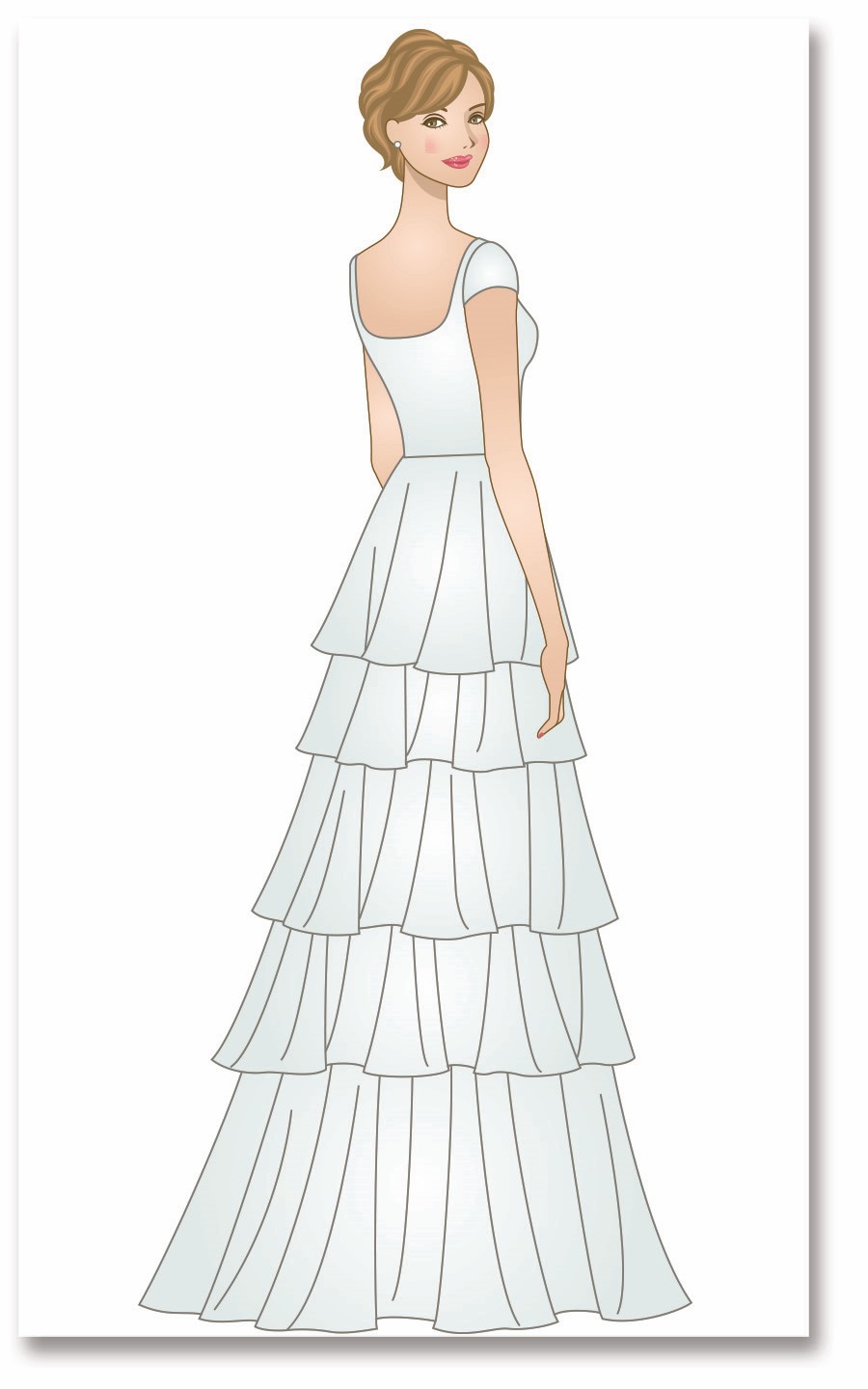 Tiered Skirt
A Tiered Skirt consists of multiple layers stacked one above another, creating depth, texture, and movement throughout the gown.
Depending on the fabric and number of tiers, the effect can range from soft and romantic to dramatic and regal. Tiered skirts are especially popular in bohemian, garden, and fairytale-inspired wedding dresses because they create visual interest from top to bottom.
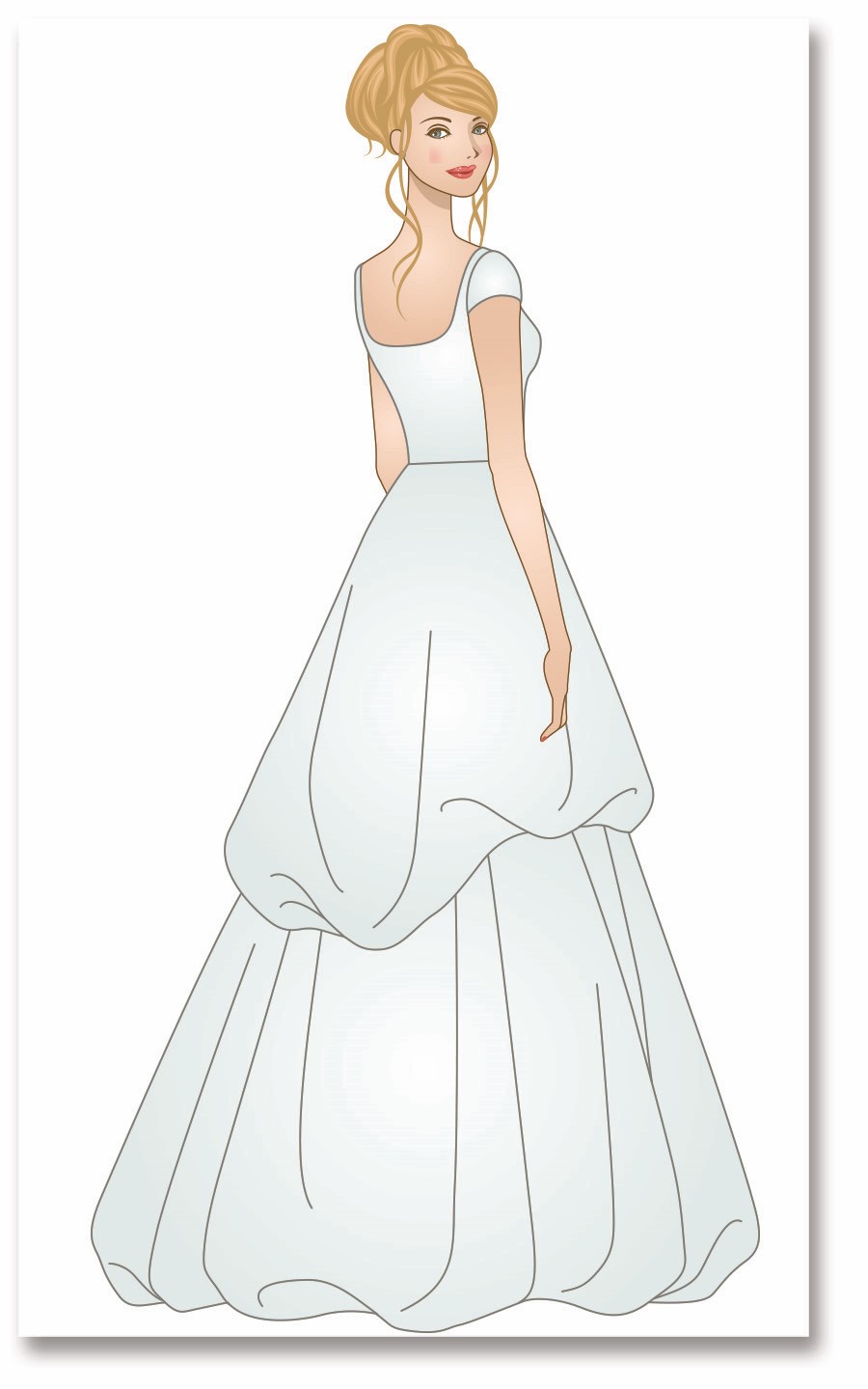 Bubble Style Skirt
A Bubble Style Skirt is fitted at the waist and widens into a soft puff near the bottom before tucking back toward the body to create a rounded hemline.
This playful silhouette adds volume and personality while maintaining a feminine appearance. Bubble skirts are often chosen by brides seeking a fashion-forward look for informal weddings, reception dresses, or modern celebrations.
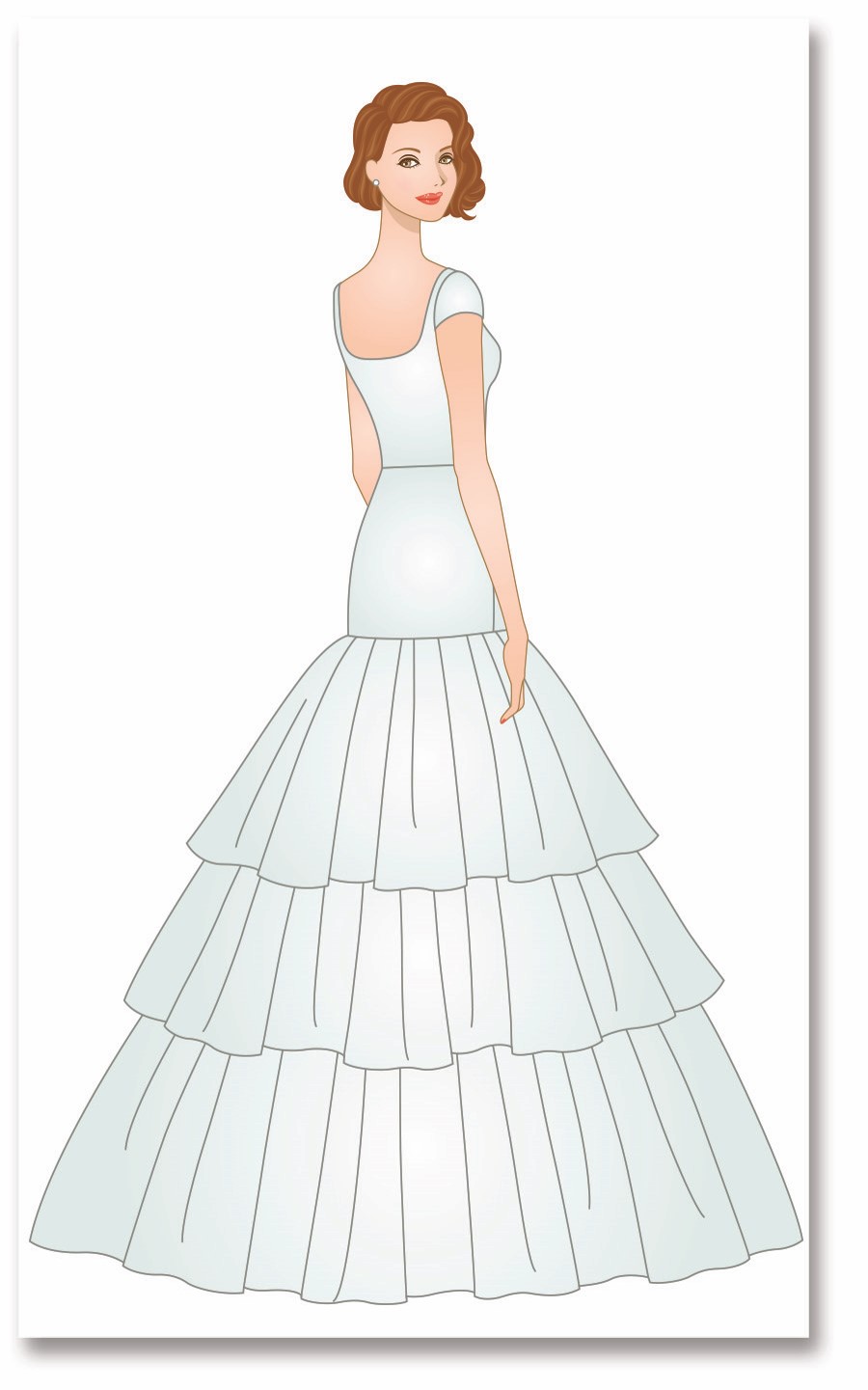 Fit and Flare Skirt
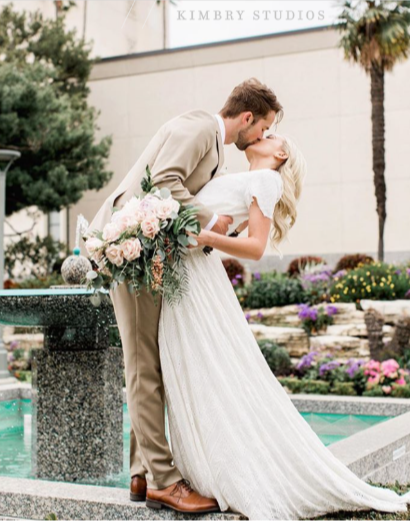
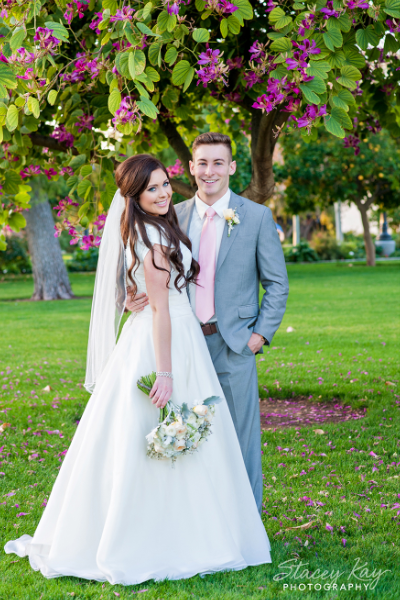
The Fit and Flare skirt fits closely through the waist and hips before gradually widening into a graceful flare below.
Because this silhouette highlights natural curves while providing movement at the hem, it flatters nearly every body type. Fit and flare skirts can feel romantic, glamorous, classic, or modern depending on the fabric and embellishments chosen.
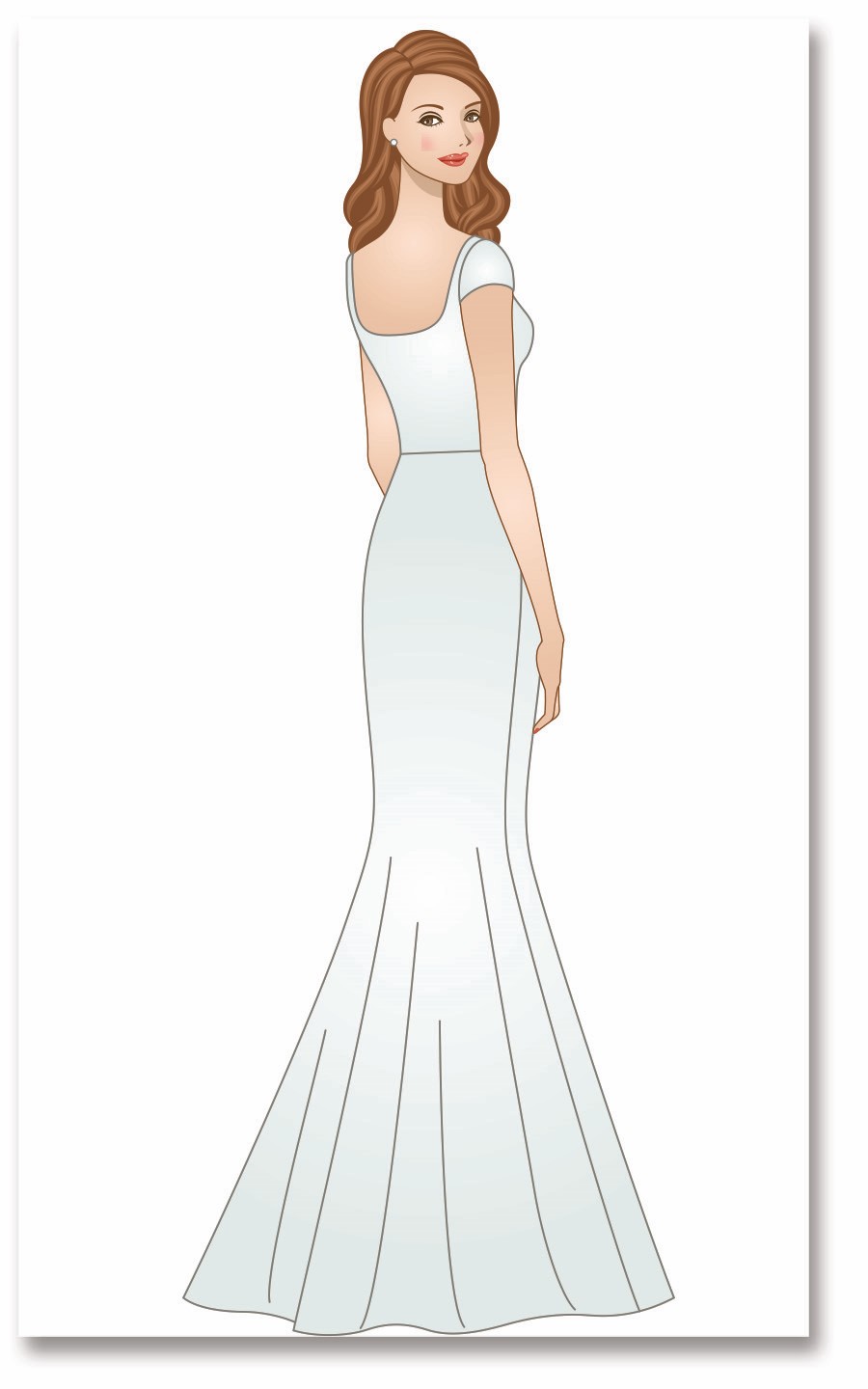 Trumpet Style Skirt
The Trumpet Skirt is long and slim through the hips before softly flaring outward below the knee, much like the shape of a trumpet flower.
This style creates a dramatic silhouette while remaining easier to move in than some more fitted styles. Brides who want to highlight their curves while maintaining elegance often find the trumpet silhouette to be the perfect balance.
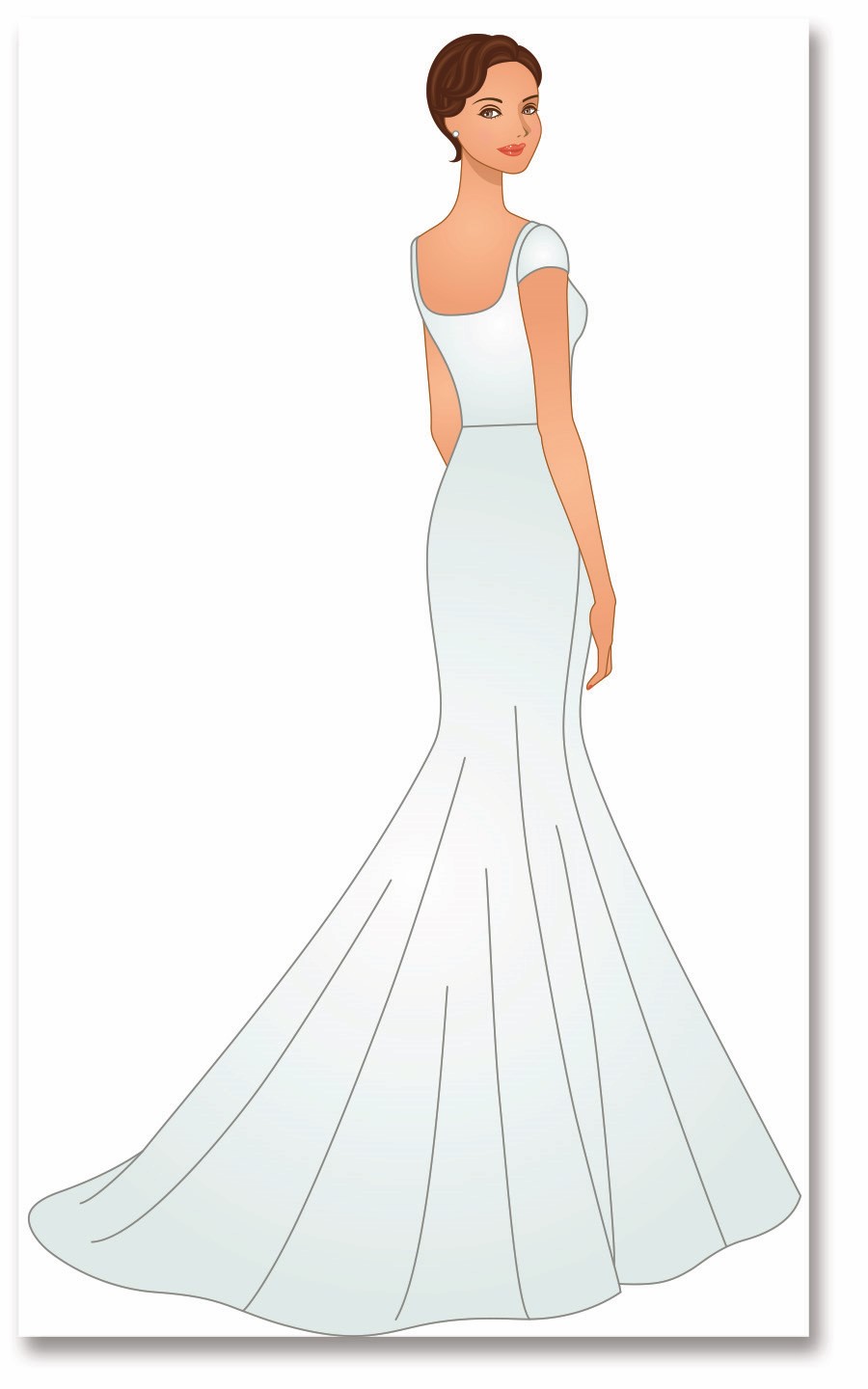 Mermaid Style Skirt
The Mermaid Skirt follows the contours of the body closely before dramatically flaring near or below the knee.
This striking silhouette is designed to showcase curves and create maximum visual impact. Mermaid skirts are ideal for brides who want a glamorous, sophisticated look that emphasizes the natural shape of the body.
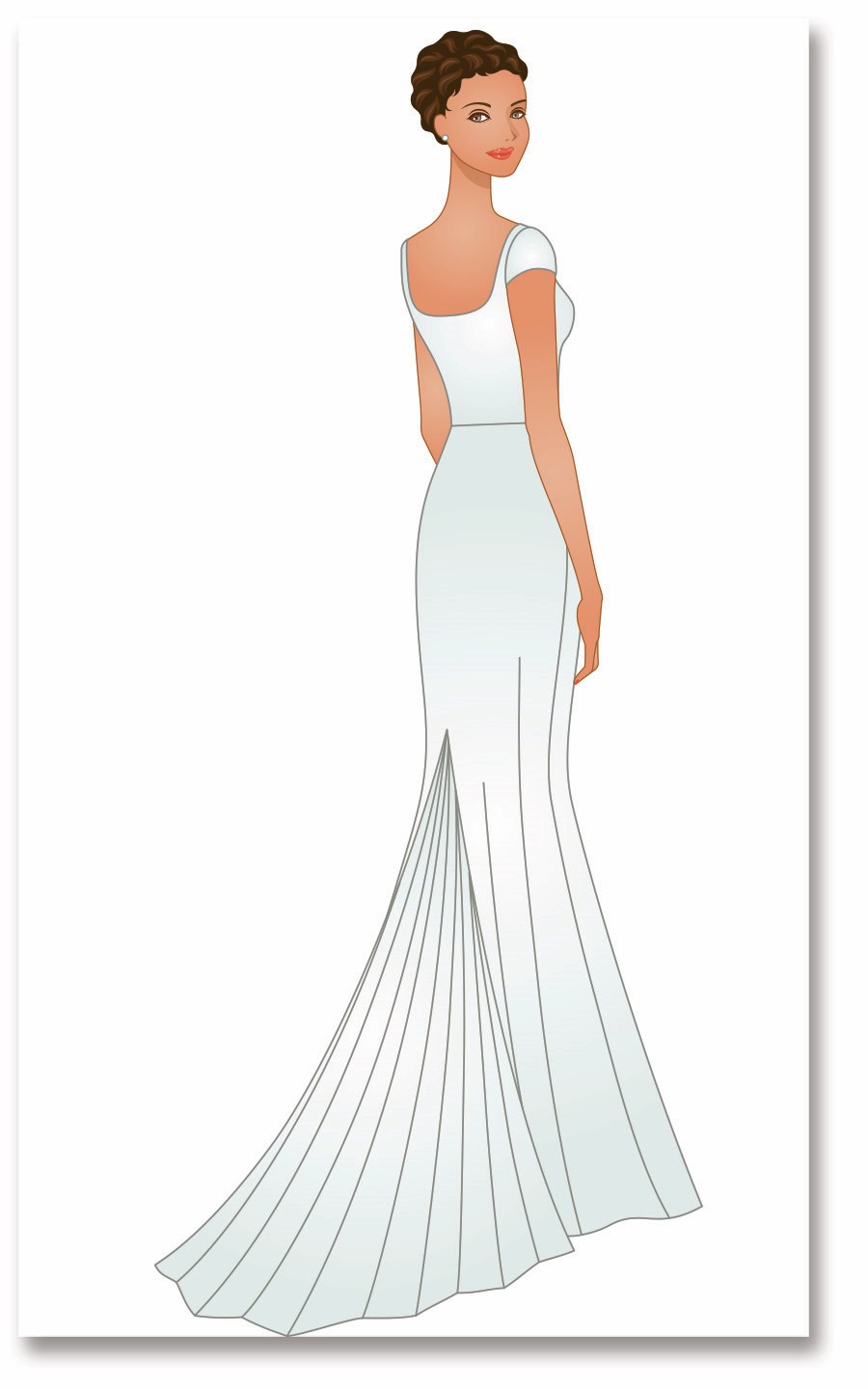 Fanback Style Skirt
The Fanback is long and straight with a pleated inset that begins as a narrow point and widens dramatically as it reaches the floor.
This style offers the elegance of a train while maintaining a streamlined appearance from the front. Brides who love dramatic back details but prefer a clean and classic front often gravitate toward the fanback silhouette.
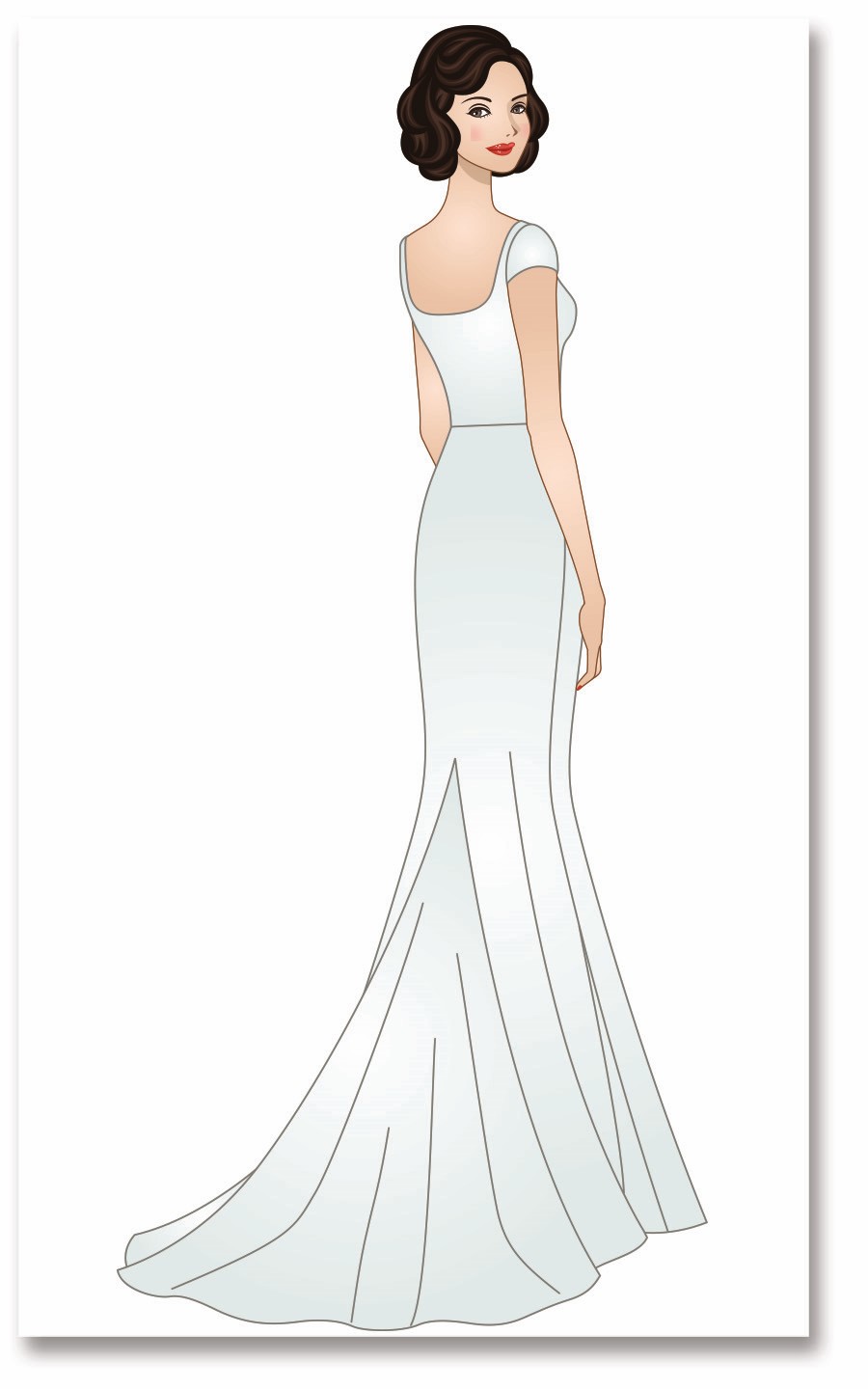 Fishtail Style Skirt
The Fishtail is long and straight with a flat or non-pleated inset that widens dramatically toward the hem.
Unlike the fanback, which relies on pleats for fullness, the fishtail creates a smoother and more tailored appearance. This silhouette is perfect for brides who appreciate understated elegance while still wanting a dramatic finish from the back.
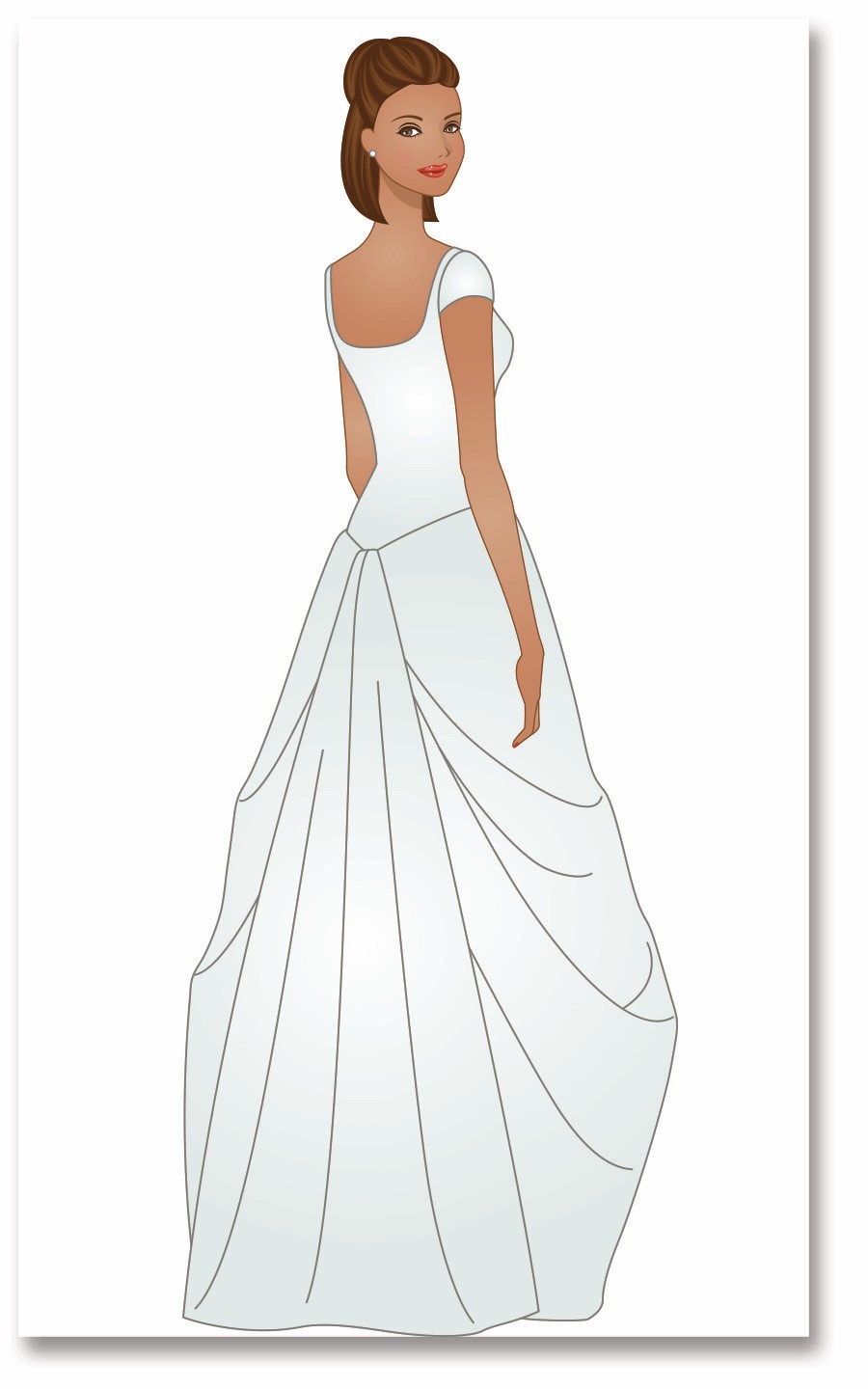 Bustled Skirt
A Bustled Skirt features fabric gathered and lifted at the back of the gown to create fullness and visual interest. The bustle originated from nineteenth-century fashion and remains a beloved bridal detail today.
Modern bustles often allow trains to be lifted after the ceremony, making the gown easier to move in during the reception. This style flatters many figure types while adding romance, elegance, and a touch of historical charm.
Many wedding dresses combine multiple skirt styles into one design. A tiered skirt may include gathering, a trumpet silhouette may incorporate draping, or a true overskirt may feature streamers for added drama.
As you explore your options, remember that the best skirt is the one that balances your body type, wedding style, and personal taste. The perfect skirt doesn't just complete the dress—it helps tell the story of your wedding day.

Plan
Without the Overwhelm.
You don’t have to figure out every wedding detail at once. I created the Wedding Planning Studio to bring practical guidance, creative ideas, and useful planning tools together—with Latter-day Saint brides and families in mind.
Explore 21 wedding planning books, 12 apps, and bonus checklists for $20. Find help with budgeting, comparing vendors, planning food quantities, organizing your timeline, and discovering the questions you didn’t know you needed to ask.
Use what helps with the decision in front of you, and return whenever you need another resource.
Inspiration. Knowledge. Planning.
This is an independent resource created by a member of The Church of Jesus Christ of Latter-day Saints. It is not affiliated with or endorsed by the Church. For temple requirements, ordinances, and Church policies, please consult official Church resources or your temple