Why Brides Toss Bouquets and Wear Veils

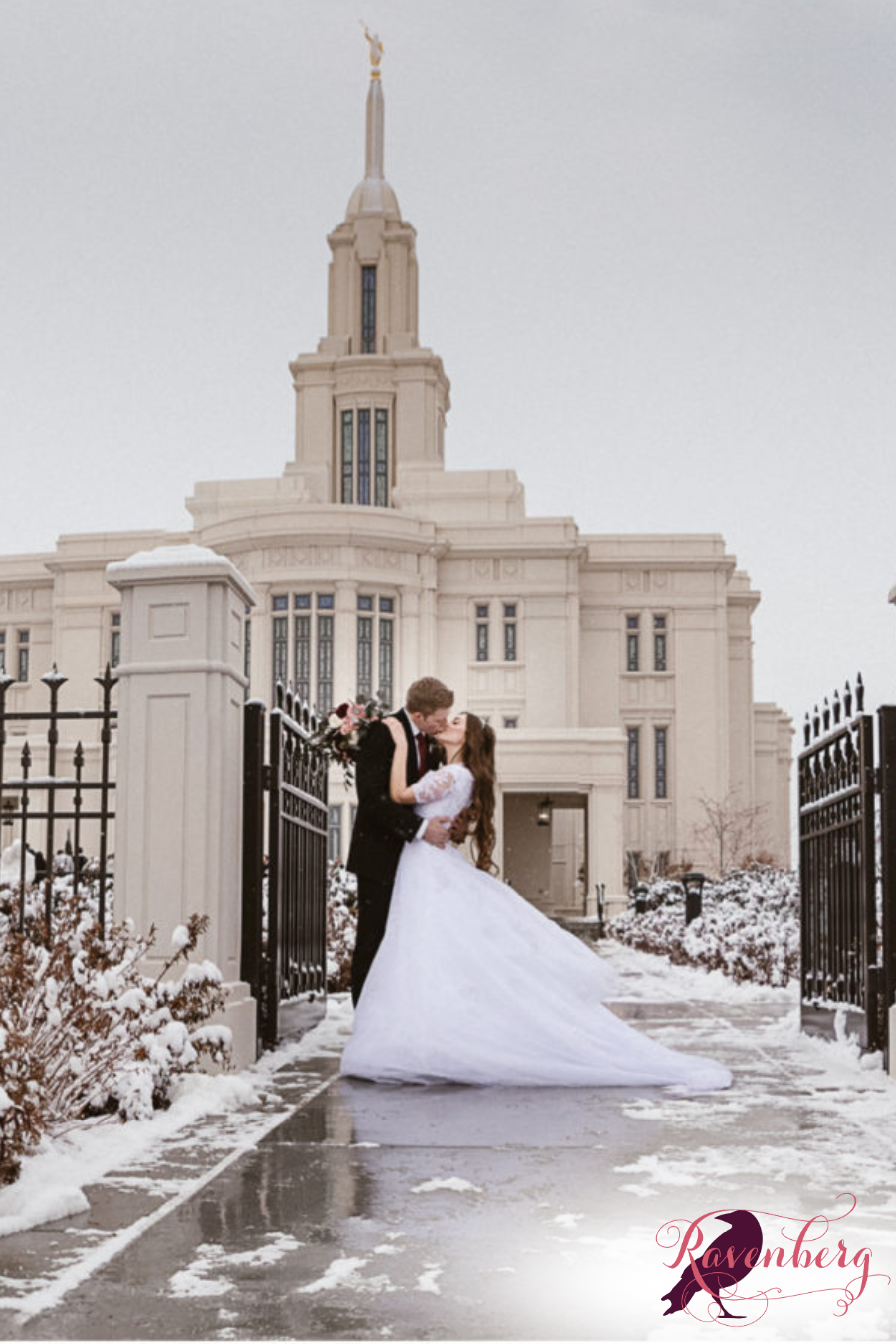
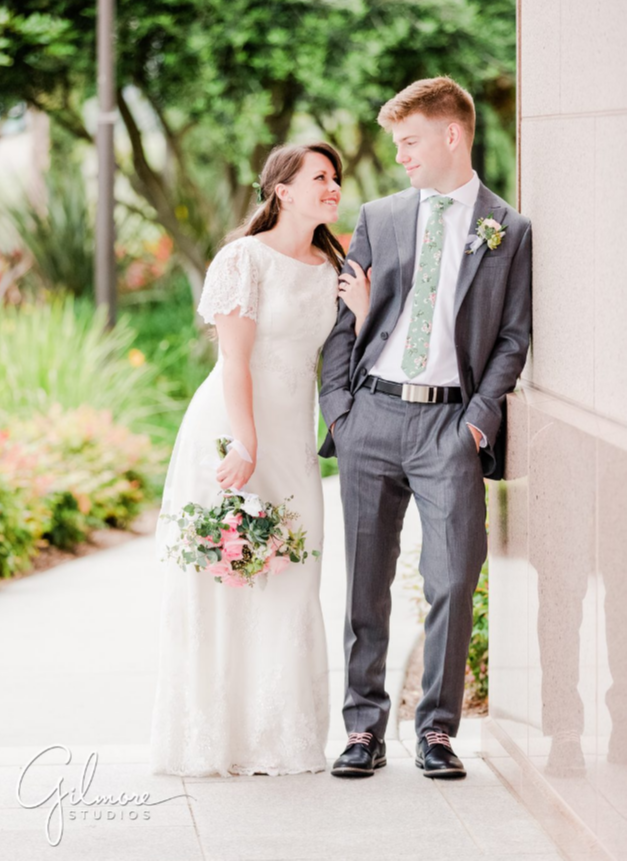
Image Courtesy of Ravenberg Photography
The Fun (and Sometimes Silly) Origins of Wedding Traditions
Every wedding has its share of little rituals — tossing the bouquet, wearing a veil, cutting the cake — but have you ever stopped to wonder why?
While today’s LDS weddings center on sacred covenants and family celebration, many of the customs we see at modern weddings have fascinating (and sometimes funny!) origins.
Here’s a look at a few favorites — some we still love, some we’ve thankfully outgrown, and all that remind us how much weddings have evolved over time.
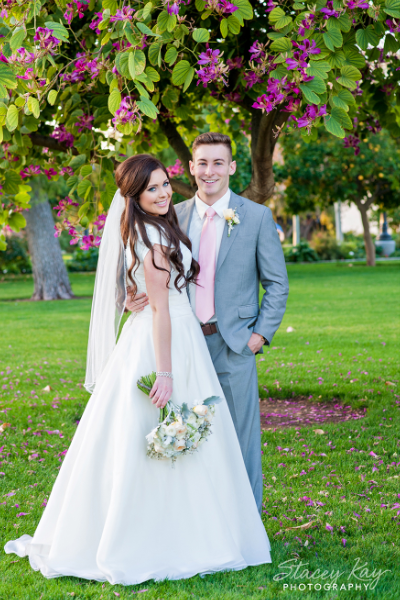
The Bride’s Veil
In ancient times, a bride’s veil symbolized purity and modesty — but also served as a little protection from wandering eyes or even mischievous spirits. Thankfully, we now wear veils simply because they’re beautiful, meaningful, and timeless — not because anyone’s worried about a curious groom sneaking a peek too soon.
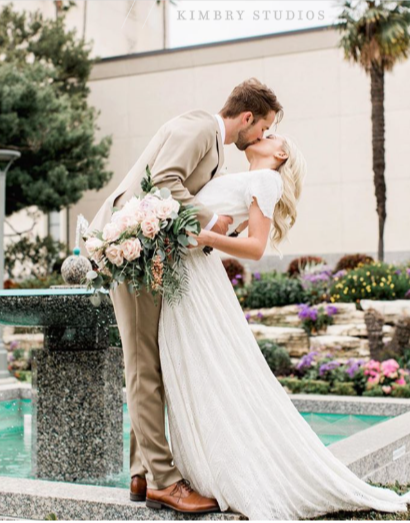
The Bridal Bouquet
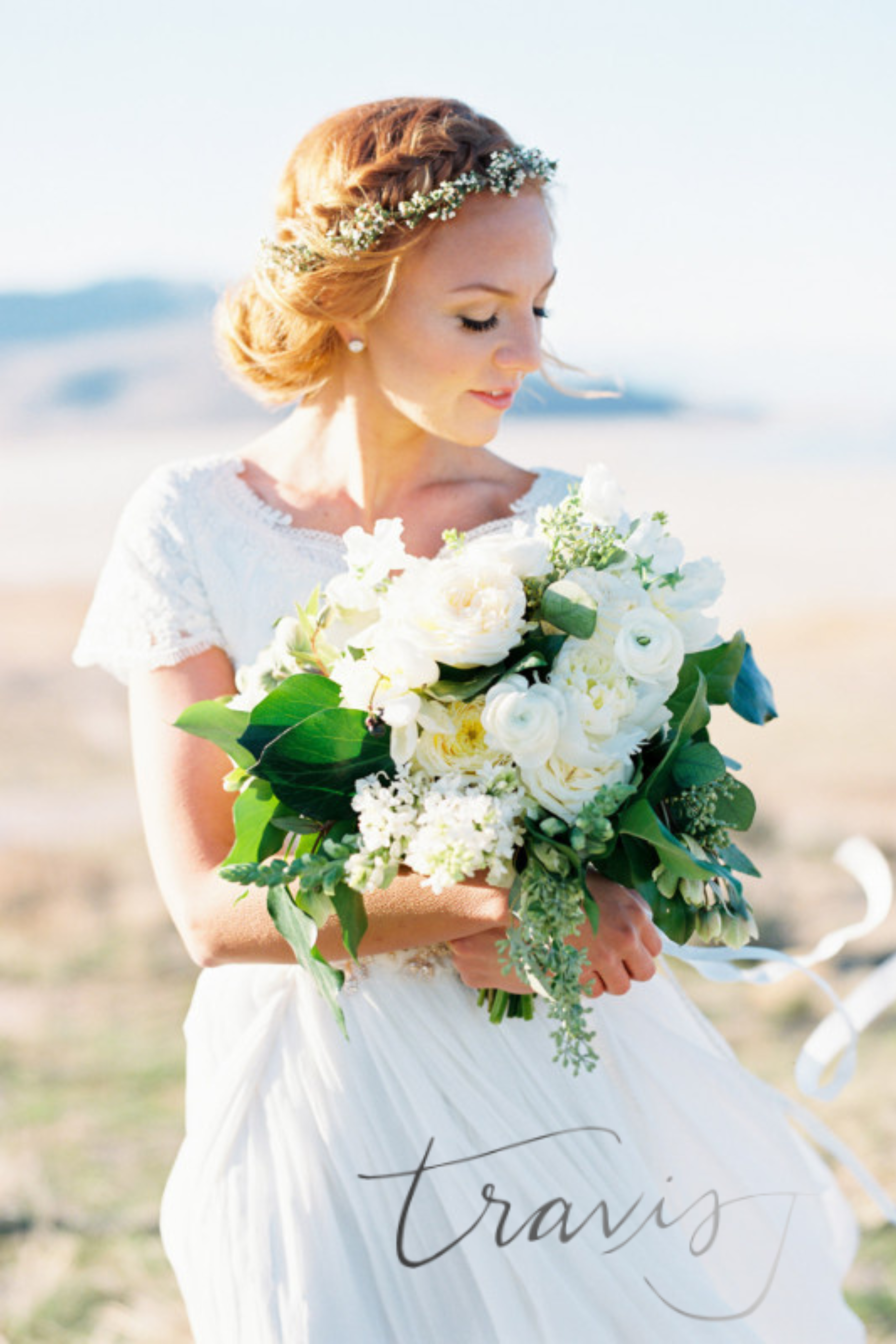
Long before bouquets were filled with roses and ribbons, brides carried strong-smelling herbs and spices to drive away evil spirits (and, possibly, unpleasant odors).
Over time, those herbs were replaced by flowers, each with symbolic meaning — love, loyalty, joy, or new beginnings. Today, we just call it gorgeous.
Something Old, Something New, Something Borrowed, Something Blue
Each of these little charms represents a blessing: something old for continuity, something new for hope, something borrowed for joy, and something blue for loyalty.
Rice, Petals, Birdseed, and Bubbles
Throwing rice began as a wish for fertility and abundance for the couple. Once people realized rice could harm birds, petals and birdseed took its place. Now, bubbles, sparklers, or ribbon wands keep the joy alive — and yes, you can rest easy knowing no birds were harmed in the making of your wedding send-off!
Walking Down the Aisle
In early traditions, fathers literally “gave away” their daughters — often as part of arranged marriages. Thankfully, that’s no longer the case!
Today, is you're having a traditional wedding or ring ceeremony, whether you walk with your father, your mother, or side-by-side with your fiancé, it’s simply a beautiful way to honor love and family.
The Wedding Rings
The unbroken circle of a ring represents eternal love and devotion — a perfect symbol for the covenants made in the temple. Ancient Greeks believed the fourth finger connected directly to the heart. Whether or not that’s true, the meaning still feels right.
Kissing the Bride
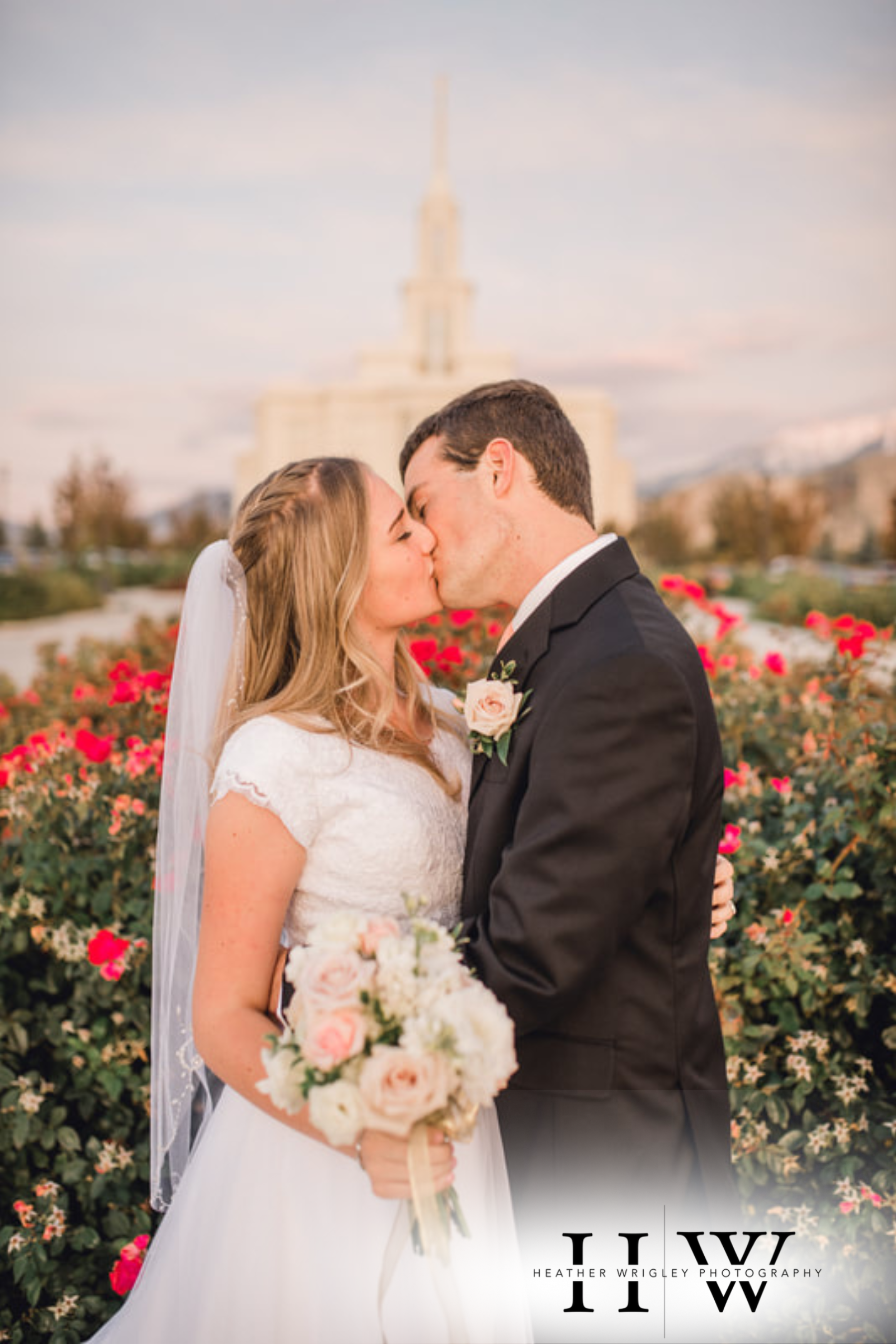
Once upon a time, the kiss sealed a legal agreement. Now, it’s a joyful celebration of your first moment as an eternal couple — and a sweet reminder that love is meant to be shared (preferably before the photographer tells you to do it again “for the shot”).
Cutting the Cake & Feeding Each Other
This tradition goes way back to the sharing of bread as a symbol of unity. Feeding each other cake represents caring for one another — and setting the tone for a lifetime of sweetness. (Just remember, gentle with the frosting… this is not the time for a food fight!)
The Receiving Line
A receiving line may feel old-fashioned, but it’s really just about connection — greeting every loved one, offering thanks, and receiving blessings. Whether you greet guests at the door or mingle table to table, it’s a heartfelt way to share your joy.
Times Change, Love Endures
Many of these customs come from different cultures and centuries, but they’ve endured because they celebrate love — and love never goes out of style.
So whether you keep a few, modernize them, or skip them entirely, knowing their origins can make your celebration even more meaningful.
Because every wedding — temple or traditional, big or small — tells a story about faith, family, and forever.

Plan
Without the Overwhelm.
You don’t have to figure out every wedding detail at once. I created the Wedding Planning Studio to bring practical guidance, creative ideas, and useful planning tools together—with Latter-day Saint brides and families in mind.
Explore 21 wedding planning books, 12 apps, and bonus checklists for $20. Find help with budgeting, comparing vendors, planning food quantities, organizing your timeline, and discovering the questions you didn’t know you needed to ask.
Use what helps with the decision in front of you, and return whenever you need another resource.
Inspiration. Knowledge. Planning.
This is an independent resource created by a member of The Church of Jesus Christ of Latter-day Saints. It is not affiliated with or endorsed by the Church. For temple requirements, ordinances, and Church policies, please consult official Church resources or your temple