Save the Date Cards
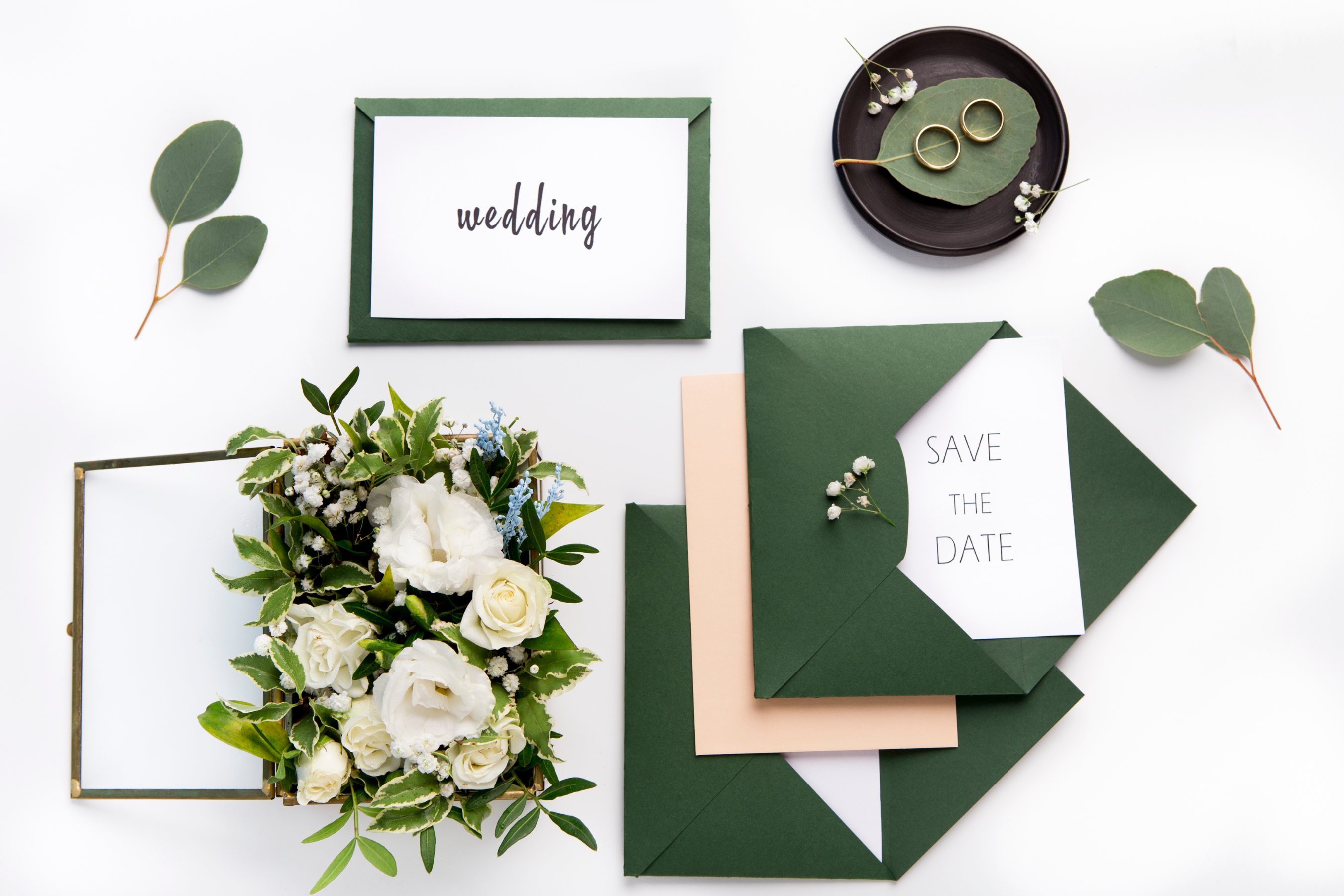
Image Canva
A Simple Guide for LDS Brides
There’s something quietly exciting about sending your very first wedding announcement.
Before the formal invitation, before the details are finalized, there’s this one small, joyful moment where you get to say: it’s happening… and we want you there.
That’s exactly what a “save the date” card is meant to do.
What Is a Save the Date?
Many couples today choose to send save the date cards before their official wedding invitations. These are usually more casual and are simply meant to give your guests a heads-up so they can mark their calendars and make plans to attend your special day.
They often include:
- The couple’s names (bride listed first)
- The wedding date
- The city and state
- Sometimes a wedding website
Think of it as your wedding’s gentle introduction.
Do You Really Need Them?
Here’s the honest answer: they’re completely optional.
Save the dates can be a lovely touch, especially if:
- You’re getting married during a busy season
- Many guests will need to travel
- You want to give people plenty of notice
But they also add to your budget—printing, postage, and design can quickly add up. If you’re trying to keep things simple or affordable, it’s perfectly okay to skip them and send your invitations earlier instead.
Choosing a Style That Feels Like You
This is where things get fun.
Save the dates are typically less formal than your invitations, so you have a little more freedom to let your personality show.
You might choose:
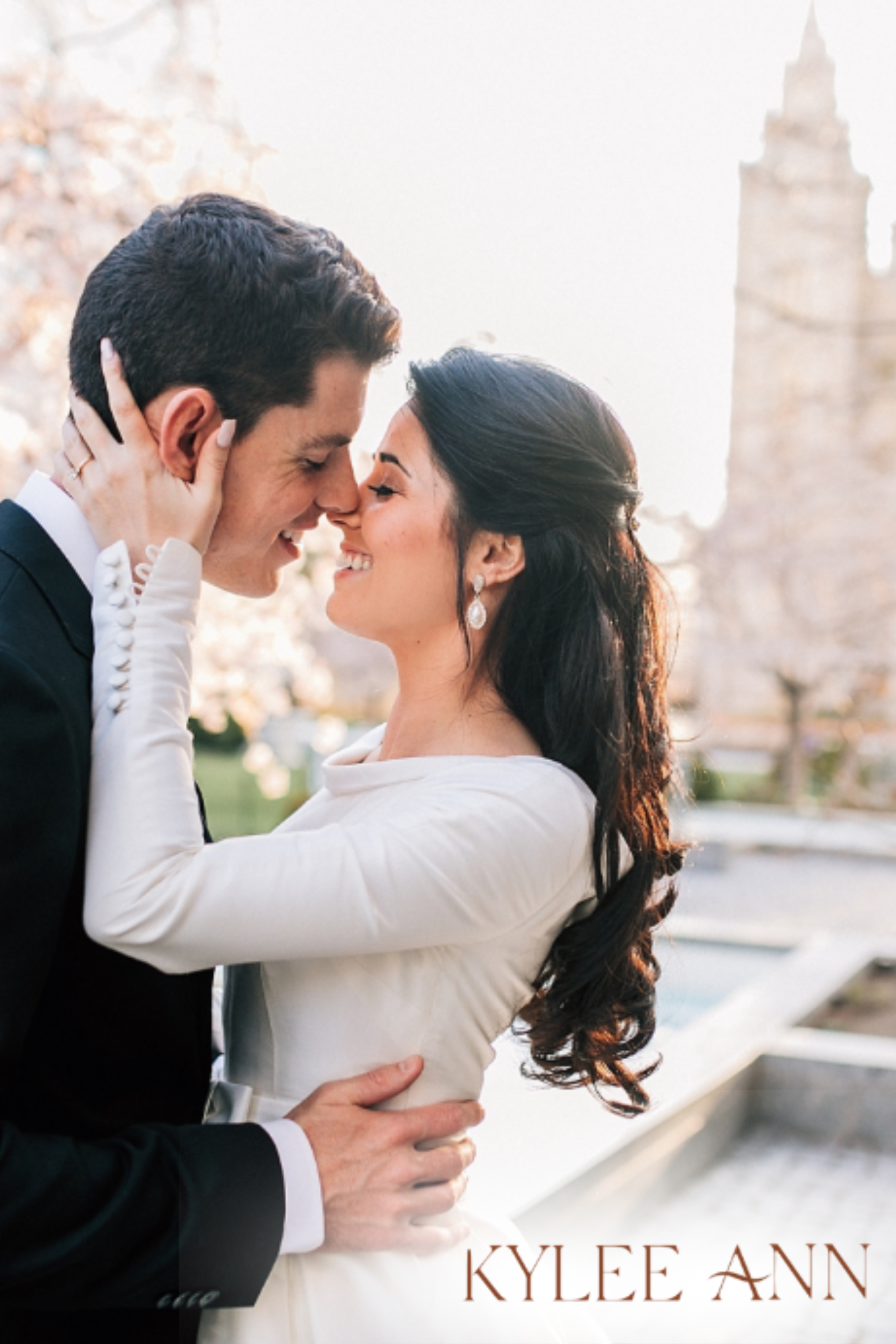
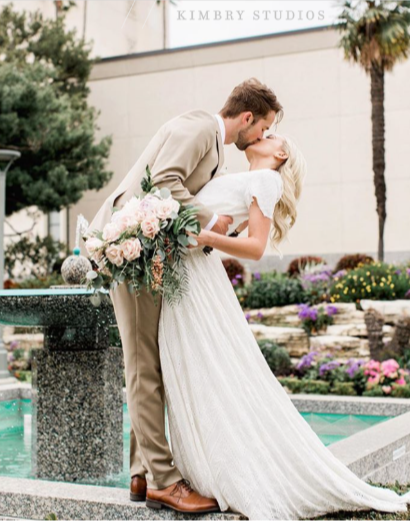
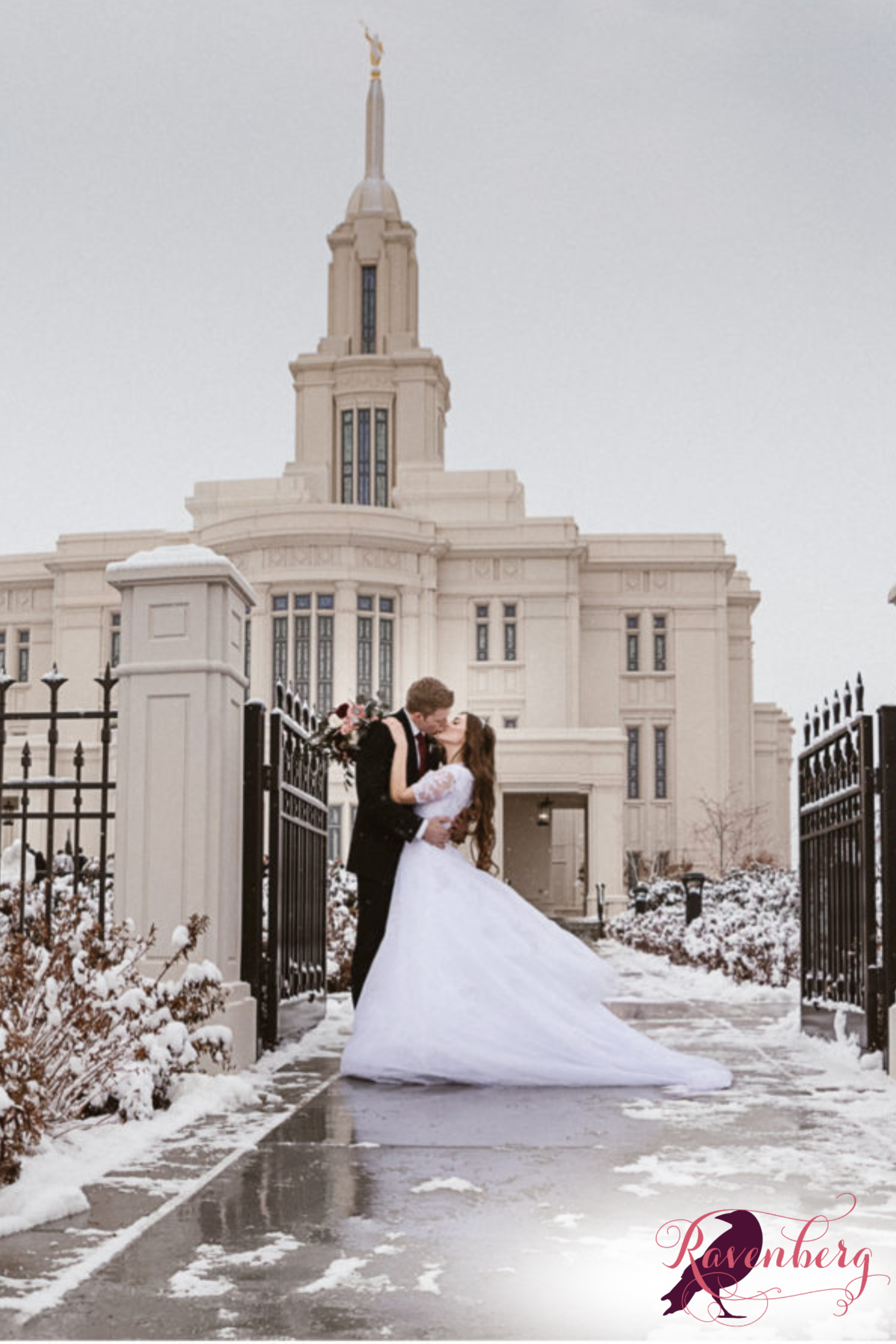
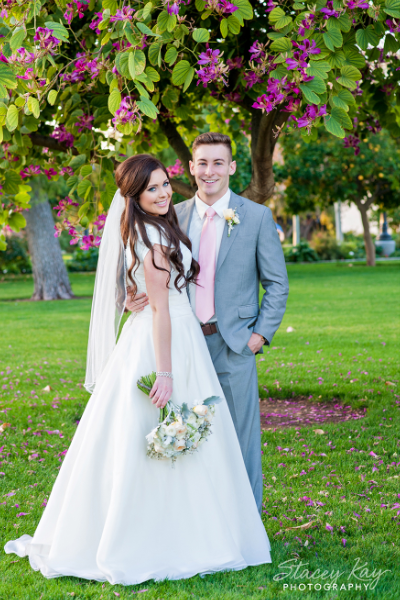
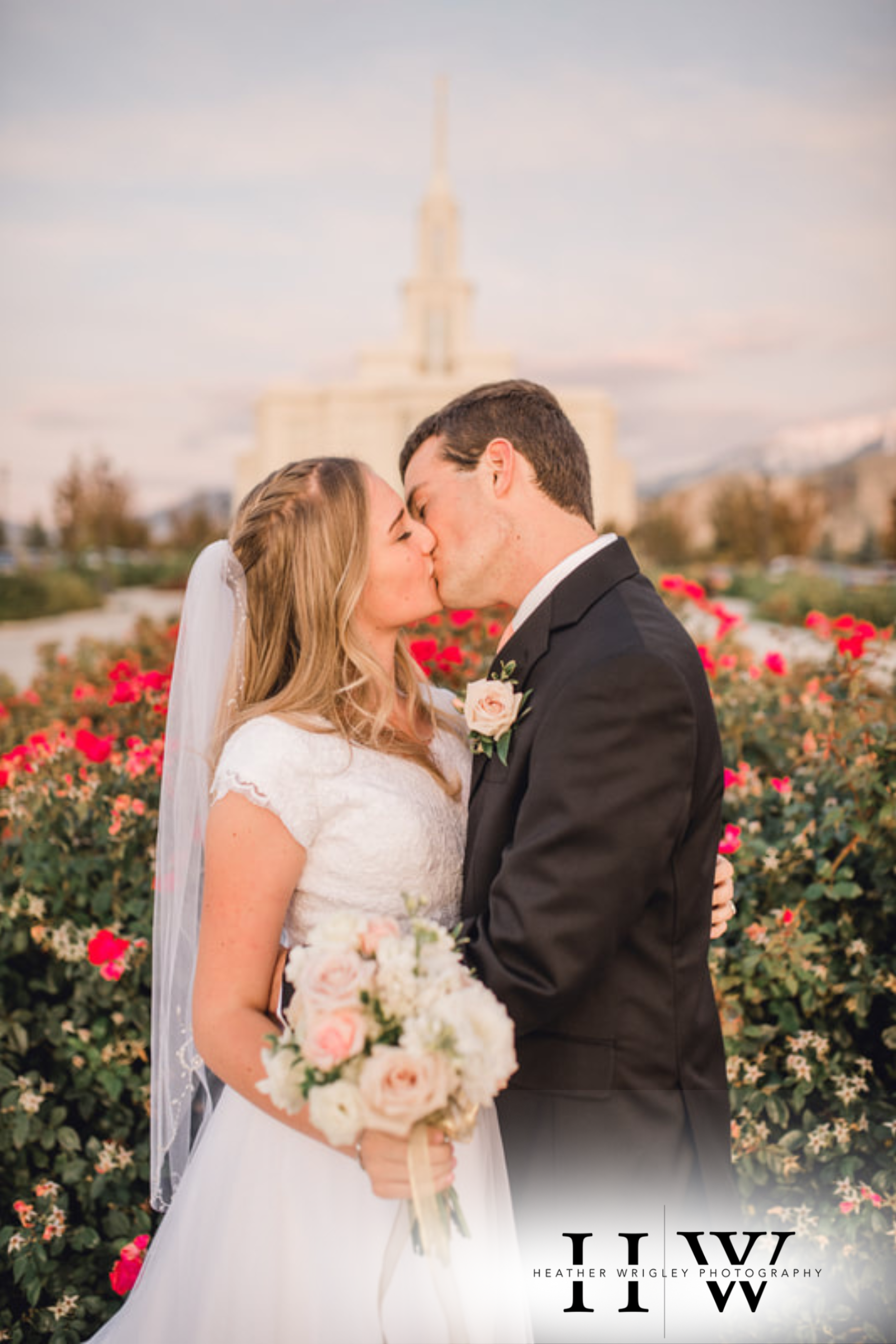
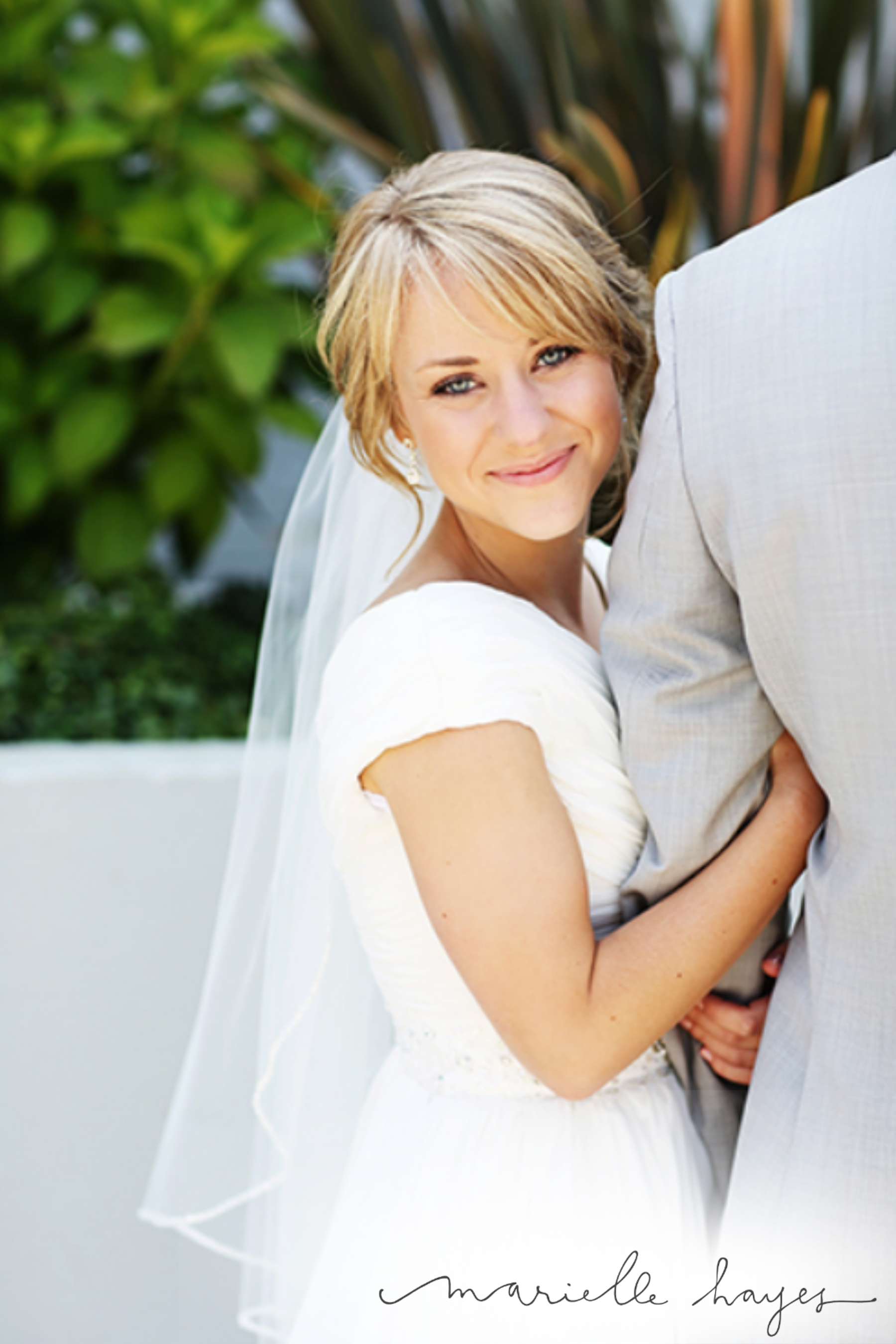
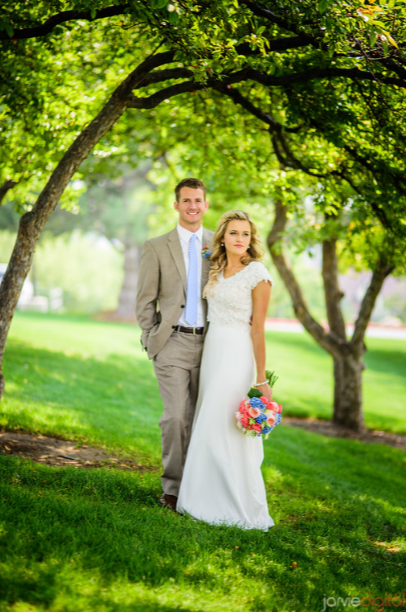
- A favorite engagement photo
- A simple, elegant card
- A magnet guests can keep on their refrigerator
A helpful tip: try to loosely match your save the date to your invitation style—similar colors, fonts, or overall feel. It creates a beautiful sense of continuity without needing to be exact.
What to Include (and What Not To)
Unlike formal invitations, save the dates are intentionally simple.
Include:
- Your full names
- The wedding date
- General location
Leave out:
- Exact times
- Full addresses
Many couples also add a small note like “formal invitation to follow” so guests know more details are coming later.
When to Send Them
Timing matters here.
Ideally, send your save the dates:
- About 6 months to a year before your wedding
- Or at least a couple of months before invitations go out
If your wedding is coming up quickly, it’s best to skip this step and go straight to invitations.
And one very important reminder (big sister moment here):
Don’t send anything until your venue is officially booked. Dates can shift more than you’d expect, even with temple or meetinghouse scheduling.
A Small but Important Detail
Keep a careful list of who receives a save the date.
Anyone who gets one should also receive a formal invitation later. It’s a small detail, but it helps you avoid one of those “oh no” moments during planning.
A Gentle Final Thought
Save the dates are a sweet way to begin your wedding story with the people you love.
But they’re not required. They’re not a rule.
They’re simply an option.
If they bring you joy, use them.
If they feel like one more thing on your list, let them go.
Either way, your day—and your invitation that follows—will still be just as meaningful.

Plan
Without the Overwhelm.
You don’t have to figure out every wedding detail at once. I created the Wedding Planning Studio to bring practical guidance, creative ideas, and useful planning tools together—with Latter-day Saint brides and families in mind.
Explore 21 wedding planning books, 12 apps, and bonus checklists for $20. Find help with budgeting, comparing vendors, planning food quantities, organizing your timeline, and discovering the questions you didn’t know you needed to ask.
Use what helps with the decision in front of you, and return whenever you need another resource.
Inspiration. Knowledge. Planning.
This is an independent resource created by a member of The Church of Jesus Christ of Latter-day Saints. It is not affiliated with or endorsed by the Church. For temple requirements, ordinances, and Church policies, please consult official Church resources or your temple