LDS Wedding Rings

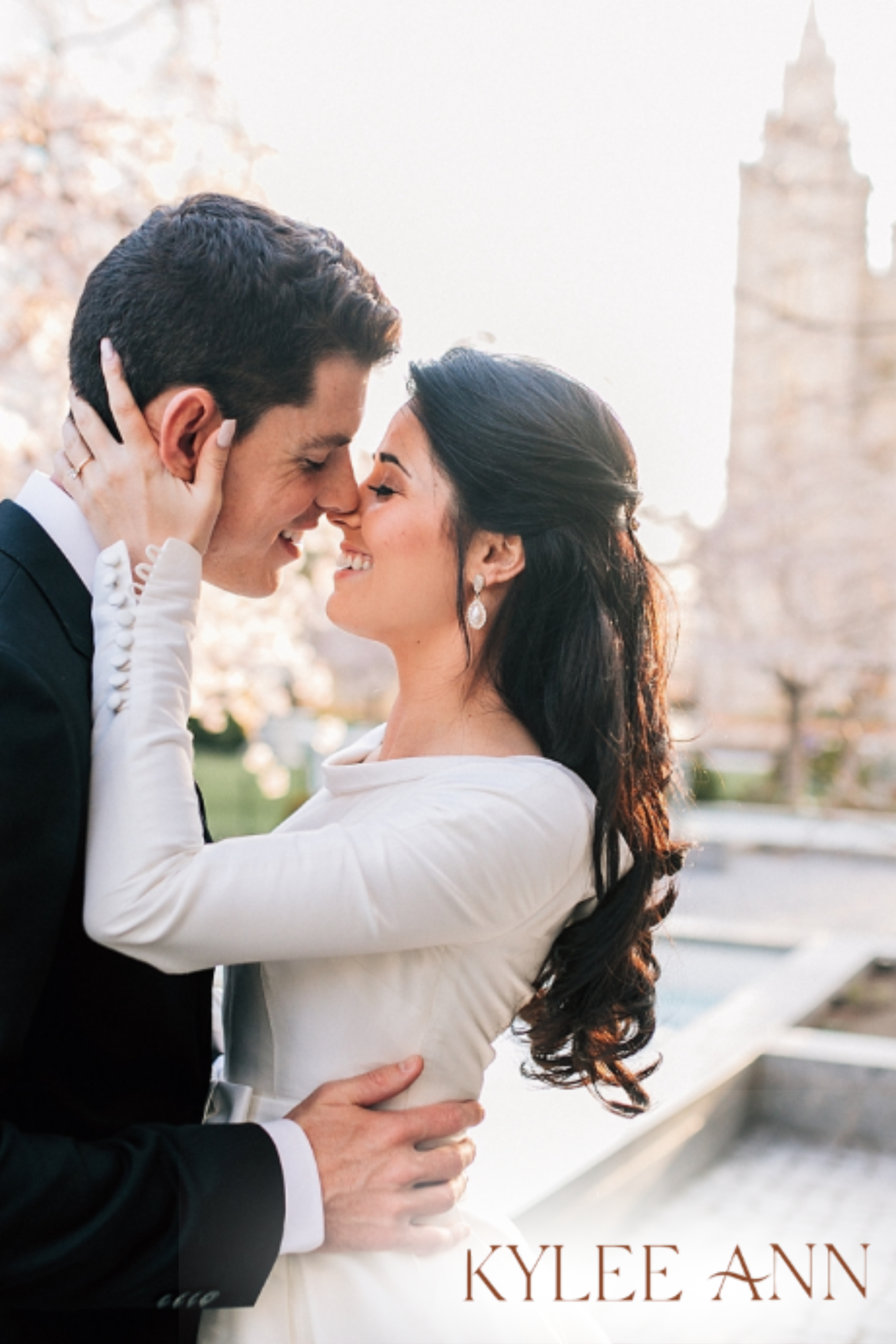
Image Courtesy of Jarvie Digital
Choosing the Perfect Setting for Your Forever Symbol
Your engagement ring is more than jewelry — it’s a daily reminder of the promise you’ve made to each other and to God. Every sparkle tells a story, and one of the most important details that shapes that sparkle is the setting.
Most brides focus on the stone itself, but the setting — how that stone is held, framed, or surrounded — defines your ring’s entire personality. Whether you’re drawn to timeless simplicity or intricate detail, understanding different settings can help you find a design that reflects your love and your lifestyle.
Let’s look at the most popular ring settings and what makes each one shine.
Prong Setting
The classic solitaire setting — elegant, traditional, and forever loved.
Tiny metal prongs (usually four or six) cradle the gemstone, allowing maximum light to pass through it. This timeless design highlights the center diamond and creates that brilliant, airy sparkle.
It’s ideal for brides who love clean lines, tradition, and a little bit of extra shimmer.
Channel Setting
In a channel setting, smaller stones are set snugly into a “channel” of metal that runs along the band. It’s most often seen in wedding bands or as side accents next to a center stone.
The look is graceful, smooth, and perfect for anyone who wants a bit of dazzle without prongs catching on fabric or temple gloves.
Bezel Setting
If you like a modern, secure design, the bezel setting may be your match. The center stone is surrounded by a delicate rim of metal, framing it like a halo.
Bezel settings not only protect the gemstone but can also make it appear larger — a beautiful way to maximize sparkle on a modest budget.
Cluster Setting
A cluster setting groups several smaller stones together, creating a floral or starburst design that catches light from every angle.
This style symbolizes unity and togetherness — a fitting reminder that your marriage will be built from many small acts of love.
Flush Setting
In a flush setting, the stone is set directly into the band so that it sits level with the surface. No prongs, no fuss — just a smooth, elegant finish.
Because it’s sleek and sturdy, it’s a popular choice for men’s wedding bands or for brides who prefer a simple, low-profile look.
Tension Setting
At first glance, it seems like the stone is floating! In a tension setting, the pressure of the band itself holds the diamond in place — no prongs or bezels needed.
This contemporary design looks light and modern, but resizing it can be tricky. It’s perfect for brides who love a minimalist look that still makes a statement.
Bar Setting
A bar setting alternates small stones and slim metal bars for a geometric, modern feel. It’s often used in anniversary or companion bands and looks especially striking on wider hands.
Because it’s a strong design, it symbolizes endurance — a lovely reflection of eternal marriage.
Pavé Setting
French for “paved,” a pavé ring looks as if it’s completely covered in diamonds. Tiny gemstones are set close together so that very little metal shows, creating a luxurious, glittering effect.
It’s a stunning way to celebrate your love story, whether it’s a full pavé band or just a few delicate accents.
Finding Meaning in the Details
No matter which setting you choose, remember that your wedding ring is more than a design choice — it’s a covenant symbol. Choose something that reflects who you are together: your faith, your joy, and your forever.
After all, the most beautiful part of your ring isn’t the metal or the stone. It’s the love it represents.

Plan
Without the Overwhelm.
You don’t have to figure out every wedding detail at once. Explore your ideas and organize your next steps with the Wedding Planning Studio, created with Latter-day Saint brides and families in mind.
Get 21 wedding planning books, 12 apps, and bonus checklists for a one-time payment of $20.
Inspiration. Knowledge. Planning.
This is an independent resource created by a member of The Church of Jesus Christ of Latter-day Saints. It is not affiliated with or endorsed by the Church. For temple requirements, ordinances, and Church policies, please consult official Church resources or your temple